Comedy fans who want to listen quietly
If you want to follow dialogue at a moderate volume while someone else is in the room, a good fit and clear speech matter more than a high maximum volume.


Start by choosing ear tips that fit well, then check that the connector is compatible with your playback device. Wired in-ear monitors don’t need their own headphone battery, but their cable can get in the way in bed. Manufacturers’ noise-isolation figures don’t prove a particular effect in your own ear, or that the other person won’t hear anything.
If you want to follow dialogue at a moderate volume while someone else is in the room, a good fit and clear speech matter more than a high maximum volume.
For several programmes, being able to choose between different ear tip sizes or materials can be helpful, rather than putting up with an uncomfortable fit.
If you use a radio or phone, for example, check whether its audio output is compatible with the 3.5 mm cable or a suitable adapter.
First, check the fit and speech clarity at a moderate volume, then look at the connection and cable routing. This helps you assess comfort and practicality without treating a manufacturer’s noise-isolation figure as a guarantee of peace and quiet in the room.
| What matters | What to look for when buying | Who is it important to? |
|---|---|---|
| Clear speech at a moderate volume | Check the fit and clarity using a familiar speech recording. | If I want to understand comedy dialogue clearly without turning up the volume to compensate for a poor fit, this is my priority. Around 36% of consumers put speech clarity at a moderate volume first. |
| Comfortable fit for longer programmes | Check the sizes and materials of the supplied ear tips, and how they fit in your usual listening position. | When listening to longer programmes, I want to find an ear tip that feels comfortable in my ears. Around 29% of consumers prioritise a comfortable fit for longer listening sessions. |
| Connection and cable routing | Check the audio output, adapter compatibility and cable route to your listening spot. | If my playback device has a specific audio output or I move around in bed, I want to check the connection and cable route in advance. Around 21% of consumers focus first on connection and cable routing. |
| Replacement parts and ongoing costs | Check the cable connector type and whether replacement ear tips are available; detachable doesn’t mean universally compatible. | If being able to replace parts when needed matters to me, I want to know which connector and replacement parts are suitable. Around 14% of consumers put replacement parts and potential ongoing costs first. |
Shure’s figure of up to 37 dB refers to the SE215 Special Edition UNI. It isn’t a measurement in your own ear, nor a promise that another person won’t hear anything.
Check the fit at a moderate volume, and see whether you can understand the programme and whether it disturbs the other person.
The ATH-E40 uses an A2DC connector on the earpiece side, while the IE 200 uses MMCX. Both have a 3.5 mm plug for the playback device, but the headphone-side connectors are different.
Check the connector on the headphones and the playback device’s audio output separately before choosing a cable or adapter.
Your statutory rights when goods are faulty apply against the seller. A guarantee is a voluntary additional promise with its own terms.
Before buying, check who the seller is and the terms of any guarantee that may be offered.
The IE 200 is a wired in-ear headphone with a 3.5 mm plug and a choice of silicone or foam ear tips.
The ATH-E40 is a wired in-ear monitor with a 3.5 mm plug.
The wired AONIC 215 combines a choice of ear tips with an inline remote and microphone on its 3.5 mm cable.
This selection includes wired and wireless in-ear headphones for personal listening. Before buying, check that the connection works with your playback device and that the fit, cable routing or charging requirements suit your listening spot.
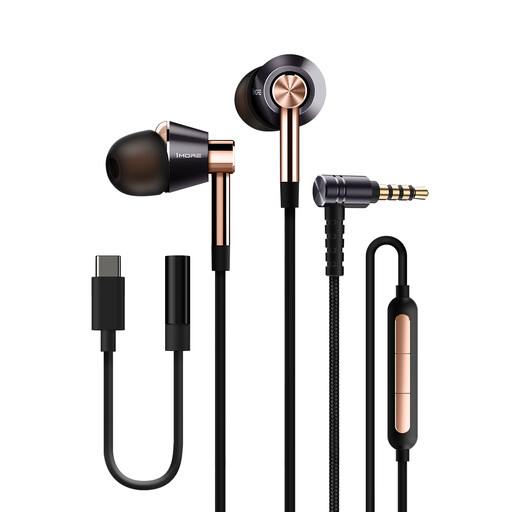 No image available
The wired design could suit you if you want to listen without needing a headphone battery; check the cable route by the bed.
The product description lists nine sets of silicone and foam ear tips, as well as an inline remote and microphone.
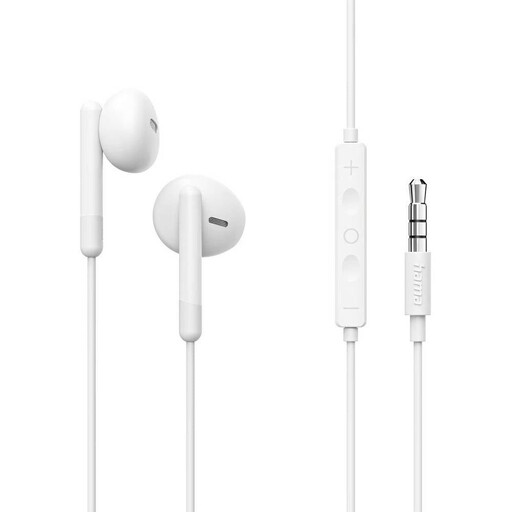 No image available
This wired option is worth considering if your playback device has a compatible 3.5 mm output and you want to use the controls on the cable.
The description lists a 1.2 m cable, inline controls and a microphone. Check that the connection matches the audio output.
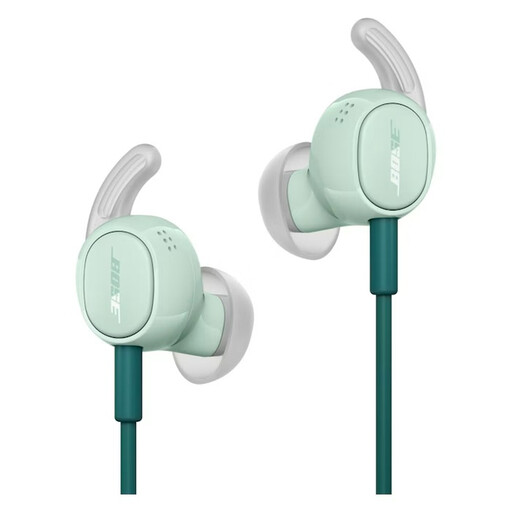 No image available
These wired in-ears could be suitable for a compatible USB-C device; check the connection and cable route at your listening spot.
The product description lists USB-C audio, a remote and silicone ear tips in S, M and L.
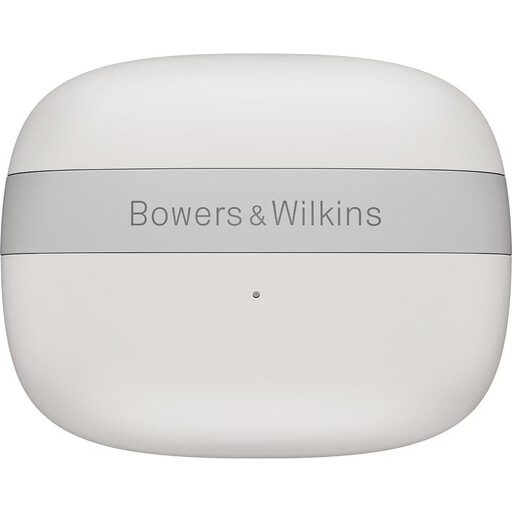 No image available
The wireless design means there’s no cable in bed, but you’ll need to charge it. Check that wireless playback works with your device.
The product description lists Bluetooth 5.4, ANC and four interchangeable ear tip sizes.
 No image available
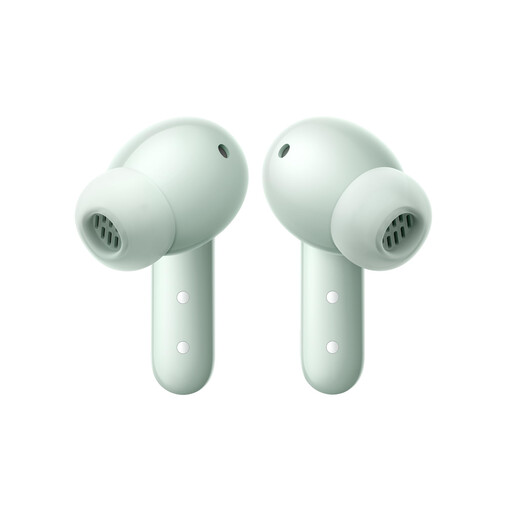
The wireless option means there’s no cable at your listening spot, but it does need charging. Check whether wireless playback is compatible with your device.
The product description lists Bluetooth 5.4, ANC, touch controls and up to 7.5 hours of battery life per charge.
Start at a moderate volume and use well-fitting ear tips rather than turning the volume up to compensate for a poor fit; also take listening breaks. The World Health Organization gives 80 dB for up to 40 hours a week as an example, and states that the corresponding time falls to four hours at 90 dB. This is general guidance, not a level measured for a specific pair of headphones.
Choose a suitable size and check the fit before listening at a high volume. For Shure earphones, the manufacturer recommends carefully removing earwax from the sound outlet with the opening facing down and a suitable tool, taking care not to damage the filter. For other models, follow the relevant manufacturer’s instructions.
For a qualifying distance purchase from a trader, you generally have a 14-day right to cancel from the date of delivery; check for exceptions and any return costs before buying. The European Union describes this period for goods. Your statutory rights against the seller are separate from any voluntary guarantee. There’s no general answer to whether opening a particular in-ear headphone’s packaging affects your right to cancel.
That depends on whether the specific product is covered by harmonised EU rules that require CE marking. The European Union doesn’t require the mark for every product as a matter of course; check the information for the specific listing.
Waste electrical and electronic equipment must be taken to an authorised collection point. The Federal Ministry for the Environment explains how to dispose of electrical waste; check which collection options are available where you live.