Who are in-ear monitors for?

Singers practising quietly

You want to listen to an existing backing track on the train, so you need a comfortable, well-fitting earphone rather than turning up the volume to compensate for background noise. The World Health Organization recommends well-fitting or noise-cancelling headphones to reduce the urge to turn up the volume in noisy environments.

Singers who want to monitor their own voice

You want to hear your recorded voice as well as the backing track. A microphone, app or mixer and a monitoring path are just as important as the earphone. Shure also explains that you hear your own voice through bone conduction.

Travellers who want to stay aware of their surroundings

You want to hear some of what’s going on around you while listening to the backing track, so you’re weighing up an ambient filter against stronger isolation.

What should you look for when buying?

Wired in-ear monitor with passive isolation

Suitable if: You want to listen to a backing track quietly and with focus, or you already have a compatible wired monitoring output.

Consider: Isolation depends on the fit and can affect how well you hear announcements and your unamplified voice.

In-ear monitor with wired and Bluetooth options

Suitable if: You mostly listen to a ready-made backing track on the go, but want the option to switch to an existing wired monitoring path when needed.

Consider: Bluetooth needs charging. Having a microphone doesn’t, by itself, guarantee that a particular app will play your voice back as needed.

In-ear monitor with passive ambient filter

Suitable if: Staying aware of your surroundings matters more to you than maximum isolation; Westone uses this approach in the AM Pro X10.

Consider: More ambient sound can make it harder to hear the backing track in a noisy carriage. Simply turning up the volume isn’t a suitable solution.

Buying priority What to check Who is it most important to?
Listening to a backing track quietly Check the sizes and materials of the eartips, and make sure they’re comfortable and form a good seal in both ears. If I want to listen quietly to the backing track despite train noise, I need a fit that doesn’t tempt me to turn up the volume. Around 31% of consumers prioritise isolation.
Monitoring your own voice If you’re recording, also check the microphone, app or mixer and the monitoring path. If I want to assess my recorded voice, listening to the backing track alone isn’t enough. Around 31% of consumers prioritise voice monitoring.
Connecting on the go Check the audio output, any adapter you’ll need, the cable and, if using Bluetooth, whether it needs charging. If I need to connect the earphone to my playback or monitoring device, finding a connection that works for my setup comes first. Around 23% of consumers prioritise connectivity.
Awareness of your surroundings Consider how much of your surroundings you want to hear and whether you’ll be practising silently or audibly. If I want to be more aware of announcements and what’s around me, maximum isolation isn’t my only consideration. Around 15% of consumers prioritise awareness of their surroundings.

Common buying misconceptions

  • A high isolation rating guarantees quiet listening on the train

    Actual isolation depends on factors including how the earphones fit your ears and the noise in the carriage. Shure’s rating of up to 37 dB for the SE215 is a manufacturer’s figure, not a measurement taken on a train.

    Try different eartip sizes and keep the volume at a sensible level rather than treating a quoted dB figure as a personal test on the train.

  • A Bluetooth microphone automatically lets you monitor your voice

    A microphone in an accessory doesn’t confirm that your app will record and play back your voice in the way you need.

    Before choosing your equipment, decide whether you only want to hear the backing track or also record and monitor your voice. If it’s the latter, check the complete signal path.

  • Strong isolation makes audible singing inaudible to others

    An in-ear monitor mainly reduces what you hear from outside; it won’t silence your voice for fellow passengers. Deutsche Bahn notes that loud music, including through headphones, and other noisy activities are not permitted in ICE quiet zones.

    In these areas, stick to silent or genuinely unobtrusive practice and follow the rules for the carriage you’re in.

Key brands at a glance

Shure

The SE215 is a wired option for listening to a backing track with passive isolation.

  • Shure lists different eartip options, a detachable 3.5-mm cable and noise reduction of up to 37 dB for this model.
  • The dB figure is a manufacturer’s rating, not a comparative measurement taken on a train. You’ll need an additional signal path to monitor your own voice.

Sennheiser

The IE 100 PRO is a monitoring earphone, while the IE 100 PRO Wireless gives you the choice of wired or Bluetooth connectivity.

  • Sennheiser describes the IE 100 PRO as coming with silicone and foam eartips. The manufacturer lists a Bluetooth module and an included cable for the Wireless version.
  • The Wireless and wired versions don’t have identical contents or features. Bluetooth use requires charging.

Audio-Technica

The ATH-E40 is worth considering if you’re looking for a wired in-ear monitor with several sizes of silicone eartip.

  • Audio-Technica lists four eartip sizes and a detachable 1.6-m cable with a 3.5-mm plug.
  • The A2DC connector on the earphone is proprietary, so any replacement cable needs to be compatible.

Mackie

The MP-120 is a monitoring option with an over-ear cable design and several types of eartip.

  • Mackie lists foam, silicone and dual-flange eartips, along with a detachable MMCX cable.
  • The manufacturer’s rating of up to 40 dB of isolation isn’t a train test directly comparable with other models.

Westone Audio

The AM Pro X10 is an option if you want to retain some ambient sound while listening to a backing track.

  • Westone describes this model as having a passive StageSense ambient filter.
  • Maximum isolation isn’t the main reason to choose this model; the filter offers a different compromise from the strongest possible isolation.

Joybuy products for listening on the go

The wireless in-ear headphones below are designed for playing a backing track on the go. If you want to listen back to your own voice, you’ll also need to check that you have a suitable microphone and monitoring signal path.
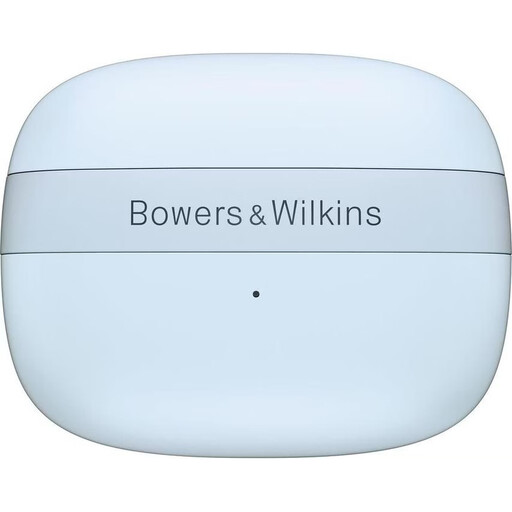
Bowers & Wilkins Pi6 True Wireless In-Ear Headphones

Bowers & Wilkins Pi6 True Wireless In-Ear Headphones

For playing a backing track wirelessly on the go; listening back to your own recorded voice requires an additional monitoring signal path.

The product title lists active noise cancellation, Bluetooth 5.4 and battery life of up to 8 hours.

View at Joybuy
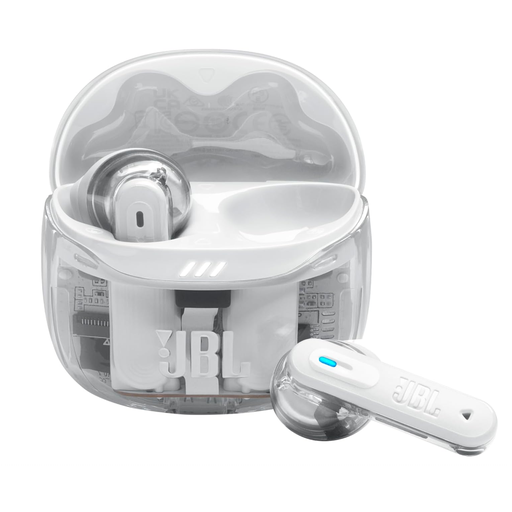
JBL TUNE Flex 2 True Wireless Earbuds, Ghost White

JBL TUNE Flex 2 True Wireless Earbuds, Ghost White

A wireless option for playing a backing track; the earphones alone aren’t enough to monitor your own voice.

The product name lists the Ghost White version and the designation NC.

View at Joybuy
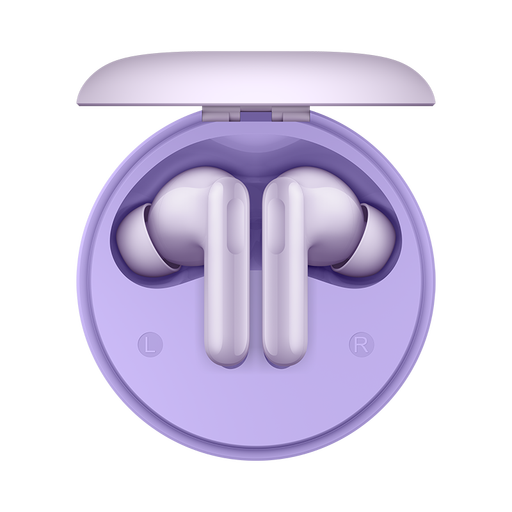
HONOR Earbuds A Pro

HONOR Earbuds A Pro

For playing a backing track wirelessly on the go; you’ll need an additional signal path to monitor your own recorded voice.

The product title lists active noise cancellation and 42 hours of battery life. The stated 49 dB figure isn’t a measurement of noise reduction on a train.

View at Joybuy

Samsung Galaxy Buds4 Pro True Wireless, Black

Samsung Galaxy Buds4 Pro True Wireless, Black

For listening to a backing track wirelessly on the go; monitoring your own voice requires an additional microphone and signal path.

The product name lists active noise cancellation.

View at Joybuy
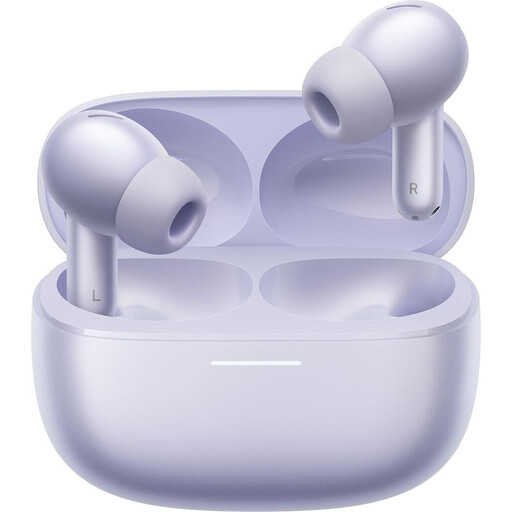
Xiaomi Redmi Buds 6 Pro, Purple

Xiaomi Redmi Buds 6 Pro, Purple

For playing a backing track wirelessly; the earphones alone don’t provide monitoring of your own voice.

The product title lists Bluetooth 5.3, 20 ANC levels and three transparency modes. The stated 55 dB figure isn’t a measurement of noise reduction on a train.

View at Joybuy

Frequently asked questions

Is an in-ear monitor enough to listen back to my own backing vocals?

No. An in-ear monitor initially plays back a signal fed into it. If you want to monitor your recorded voice, also check the microphone, app or mixer and the monitoring path. Shure explains that bone conduction also contributes to how you hear your own voice.

How should I choose eartips for a long train journey?

Choose eartips that fit comfortably and seal well, rather than basing your choice solely on a stated noise reduction rating. Check the cleaning instructions for your specific product and take breaks during longer listening sessions. The World Health Organization also recommends keeping the volume down.

Can I practise singing audibly in an ICE quiet zone?

Deutsche Bahn notes that loud music, including through headphones, and other noisy activities are not permitted in ICE quiet zones. An in-ear monitor won’t silence your voice for others, so stick to silent or genuinely unobtrusive practice in these areas. This information applies to this train operator and isn’t a general statement about every operator.

What should I bear in mind about connections and the guarantee?

Check whether your device has the connection you need, or whether you’ll need a compatible adapter or replacement cable for your specific earphones. The European Union’s Your Europe website explains that, for consumer purchases in the EU, faulty goods are covered by a legal guarantee of at least two years from receipt. This claim is against the seller and is separate from a voluntary manufacturer’s guarantee.