
Lieferung heute & morgen

Qualitätsgarantie

Willkommens-Angebote freischalten: KOSTENLOSE Lieferung | Bis zu 80 % RABATT | Kostenlose 30-Tage-JoyPlus-Testphase
App herunterladen
By Joybuy Product Recommendation Officer, August 28, 2026
A cluttered countertop and puddles of water after washing dishes are common problems in many kitchens. A dish rack placed directly over or in the sink promises an elegant solution. It uses the otherwise wasted space above the sink to efficiently dry dishes, cutlery, and even washed vegetables. However, not every model lives up to its promise. Before you make a purchasing decision, it's important to know the typical weaknesses that can quickly render a once-practical accessory useless.
Many products on the market look functional at first glance but reveal their flaws only in daily use. Watch out for these three common pitfalls to avoid a bad investment:
To ensure your new dish rack is a durable and functional addition to your kitchen, you should check three core parameters. These features separate high-quality products from unreliable alternatives.
Not all stainless steel is suitable for constant contact with water. For kitchen accessories permanently exposed to moisture, 304 stainless steel has become the industry standard. This material contains a significant amount of chromium and nickel, which gives it high corrosion resistance. A stainless steel dish rack made from this material resists rust and is also food-safe and easy to clean. Look for this specification in the product description to ensure longevity.
Sinks come in countless sizes and shapes. A fixed-size dish rack often only fits a few standard models. An expandable dish rack offers the necessary flexibility. Such models feature a telescopic mechanism that allows you to adjust the width of the rack to fit your sink perfectly. Before buying, measure the inner width of your sink from edge to edge to ensure the product's adjustment range (e.g., 29 cm to 44 cm) is compatible. This guarantees a secure and stable fit.
A thoughtful design offers more than just a drying surface for plates. High-quality models function as a multifunctional in-sink kitchen organiser. They can be used as an in-sink colander basket for washing fruits and vegetables, with water draining directly away. Some offer separate compartments for cutlery or holders for sponges. This versatility makes the in-sink dish drainer an indispensable tool that noticeably increases efficiency in the kitchen and frees up valuable counter space.
Based on the criteria above, we have compiled a selection of products suitable for different user profiles and needs.
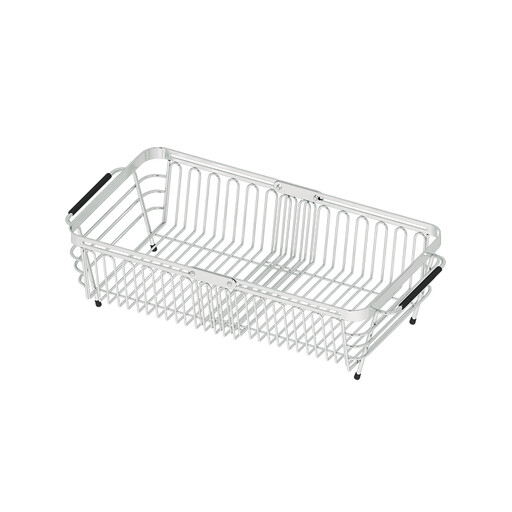
Why This Fits Their Persona: Ideal for home cooks and households with limited counter space who are looking for an all-in-one solution. This rack is used for drying dishes, as a colander for vegetables, and for general sink organisation.
The 304 stainless steel construction prevents rust. The expandable frame (29-44 cm) ensures a stable fit on most sinks, preventing any wobbling. The fine mesh design guarantees optimal water drainage.
Maximises the utility of the sink and keeps the countertop clear. Robust, durable, and multifunctional design.
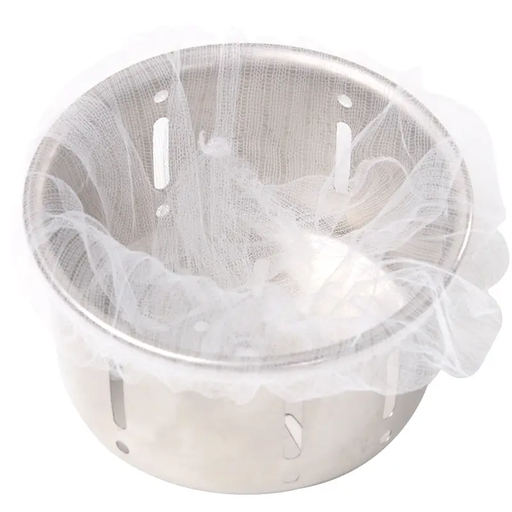
Why This Fits Their Persona: For users whose main concern is drain cleanliness. These disposable filter bags catch food scraps and are simply thrown away, eliminating the need to clean the sink strainer.
This isn't a dish rack, but a complementary product that solves the problem of clogged drains. It avoids the cleaning effort of permanent strainers and ensures consistently high hygiene in the sink.
Disposable filter bags for maximum hygiene and easy disposal of food scraps. Reliably prevents drain blockages.
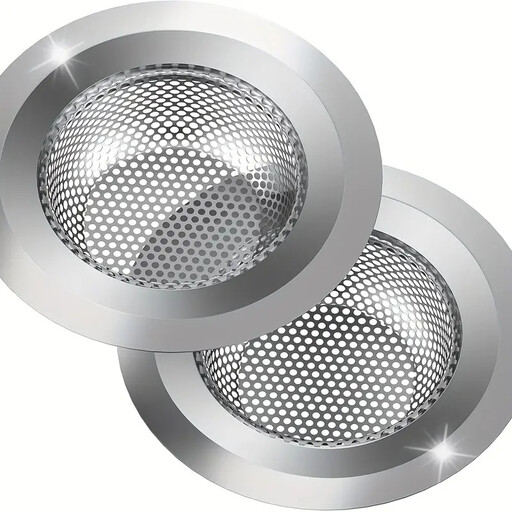
Why This Fits Their Persona: A straightforward and reusable solution for anyone who simply wants to keep food scraps out of the drain without investing in a more complex system.
This product solves a core problem—clogged drains—with minimal financial outlay. It avoids the pitfall of overspending on a simple task.
Very cost-effective and reusable solution. Universal design that fits most standard sink drains and is easy to clean.
We have compiled a complete, up-to-date list of products that fully meet these strict selection criteria and safety standards.
Measure the inner width of your sink from the front to the back inside edge. Note the minimum and maximum dimensions if your sink has rounded corners. Compare this measurement with the specified adjustment range of the dish rack (e.g., "expandable from 29 cm to 44 cm") to ensure compatibility.
Even 304 stainless steel benefits from regular care. Rinse the rack regularly with clean water and occasionally dry it to prevent limescale and mineral deposits. Use mild dish soap and a soft sponge for cleaning. Avoid abrasive cleaners or steel wool, as these can damage the protective surface of the stainless steel.
Yes, absolutely. A high-quality dish rack is a versatile tool. You can use it as a colander for washing salad, fruits, and vegetables. It also serves as an extra surface for thawing frozen food, as the meltwater can drip directly into the sink.