
Lieferung heute & morgen

Qualitätsgarantie

Willkommens-Angebote freischalten: KOSTENLOSE Lieferung | Bis zu 80 % RABATT | Kostenlose 30-Tage-JoyPlus-Testphase
App herunterladen
A dish rack placed directly in or over the sink can be a valuable addition to any kitchen. It frees up counter space, keeps your worktops dry, and streamlines your workflow. However, the market is flooded with products of widely varying quality. Many buyers discover only after a short time that their new rack is rusting, wobbly, or impractical.
As your Joybuy Product Recommendation Officer, I'm here to help you identify the common pitfalls and make an informed decision. Instead of relying on marketing promises, we'll focus on the objective features that define a durable and functional product.
Before you make a purchase, you should be aware of two common problems that often lead to disappointment:
To avoid a bad purchase, you should focus your attention on three core parameters. These determine the longevity and practical utility of your dish rack.
The most important characteristic is corrosion resistance. For kitchen items constantly exposed to moisture, 304 stainless steel is the established standard. This alloy contains a higher percentage of chromium and nickel, making it significantly more resistant to rust and acids (e.g., from fruit) than cheaper alternatives. Look specifically for "304 stainless steel" or "18/8 stainless steel" in the product specifications. This is a clear indicator of a durable product.
An expandable sink colander must fit your sink perfectly. Before buying, measure the inner dimensions of your sink (length and width). Compare these measurements with the product's adjustment range. A good mechanism should adjust smoothly and lock firmly in place. Sturdy, rubberised handles or supports on the ends ensure a secure grip on the sink's edge and prevent slipping or scratching the surface.
A well-thought-out design transforms a simple dish rack into a multifunctional in-sink kitchen organiser. Models with a fine-mesh bottom are not only suitable as an in-sink dish basket but are also excellent as a large colander for washing fruits and vegetables. The water drains directly, and your work surface stays clean. Such a stainless steel strainer basket combines multiple functions in one, saving valuable storage space.
Here are some product recommendations tailored to different needs and kitchen sizes, all of which meet the quality criteria mentioned above.
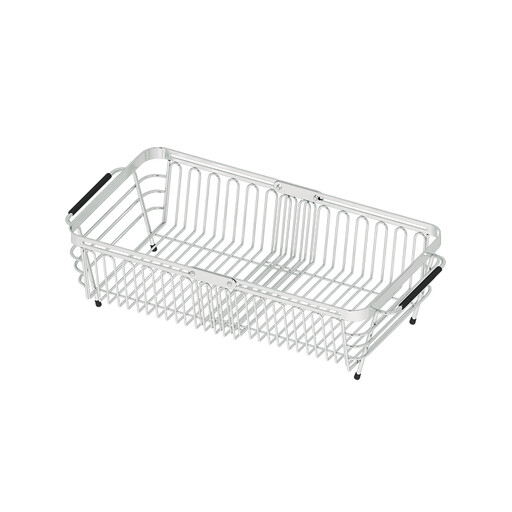
Why This Fits Their Persona: Ideal for households that do a lot of cooking and washing up. The large capacity accommodates pots, pans, and dishes, while the robust construction ensures durability.
Made from 304 stainless steel according to the manufacturer, which offers high resistance to rust. The stable, extendable frame ensures a secure fit on the sink without wobbling.
Generous dimensions and high load capacity; multifunctional as a dish rack and a large colander for washing vegetables.
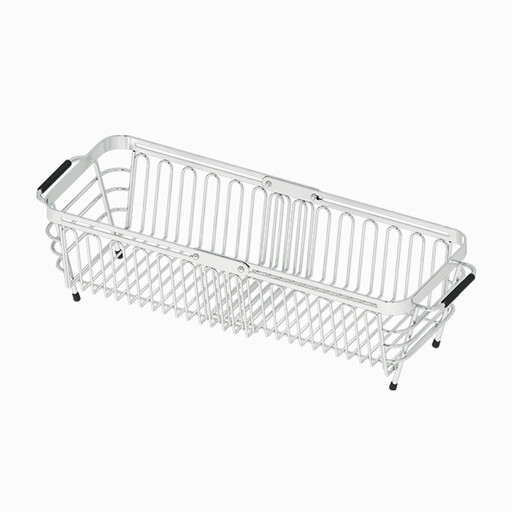
Why This Fits Their Persona: Perfect for smaller kitchens or single-person households where every inch of counter space counts. It offers the same functionality in a more space-saving format.
Also uses high-quality 304 stainless steel and a reliable telescopic mechanism that adapts to narrower sinks and guarantees stability.
Space-saving design with full functionality; flexibly adjustable from 29 cm to 44 cm to fit most standard sinks.
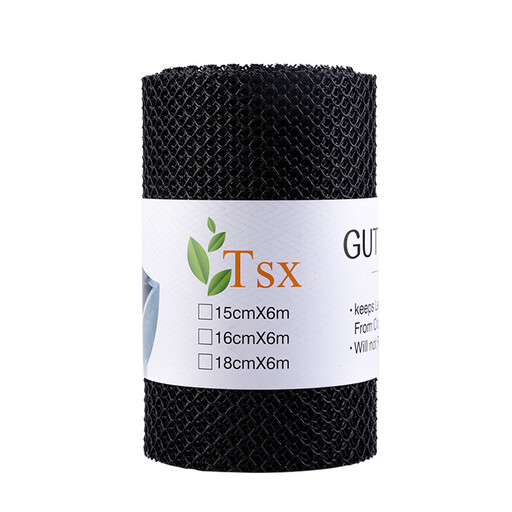
Why This Fits Their Persona: A straightforward and cost-effective solution for anyone who primarily wants to keep food scraps out of the drain without needing a full rack.
Focuses on a single, simple task: filtering. There are no complex mechanisms that can fail, and the material is designed for direct contact with water.
Very affordable and versatile, not just for the sink but also as a protective mesh in the garden or for gutters.
We've compiled a complete, up-to-date list of products that fully meet these strict selection criteria and applicable safety standards.
Measure the clear opening of your sink from the front to the back inner edge. Then, measure the width from the left to the right inner edge. Compare these dimensions with the specified adjustment range of the dish rack (e.g., "adjustable from 29 cm to 44 cm") to ensure it can rest securely on the rim.
For daily care, rinsing with clean water and drying afterwards is sufficient to prevent water spots. For limescale deposits, a mild solution of water and vinegar can help. Do not use abrasive sponges or aggressive cleaning agents, as they can damage the surface and impair its corrosion resistance.
Yes, models with a fine-mesh bottom designed as a stainless steel strainer basket are excellent for this purpose. They function like a large vegetable washing strainer, allowing you to wash salad, fruit, or vegetables directly over the basin. The dirty water drains away immediately, and the food does not come into contact with the bottom of the sink.