
Lieferung heute & morgen

Qualitätsgarantie
App herunterladen
Kategorien
The selection of incontinence underwear is based on specific, measurable criteria such as absorbency, fit, and material composition. This guide analyses the technical aspects crucial for a functional and discreet solution for bladder weakness. The goal is to provide an informed decision-making framework based on the user's individual needs.
The functionality of disposable incontinence products is determined by the interplay of several technical components. An analysis of these factors is essential for choosing the right product.
Absorbency is the core performance metric. It is typically categorised for light, moderate, heavy, or very heavy incontinence. The core of these products often consists of a mixture of pulp and a Superabsorbent Polymer (SAP). This polymer is capable of absorbing many times its own weight in liquid and converting it into a gel. This securely locks moisture inside the product and keeps the skin's surface dry. Products for overnight use or with heavy absorbency typically feature a higher SAP content and a wider absorbent core to manage larger volumes of fluid over an extended period.
A correct fit is crucial to prevent leaks and ensure comfort. Incontinence pants for men and women are often anatomically shaped differently. Models for men concentrate the absorbent zone in the front area, while products for women have a more central and wider absorbent zone. Elasticated leg cuffs and a flexible waistband ensure that the incontinence briefs fit snugly against the body without restricting circulation. Sizing is based on hip or waist circumference in centimetres, as specified by the manufacturer.
Modern adult incontinence pants use breathable, non-woven, cloth-like materials on the exterior. These promote air circulation and can help reduce the risk of skin irritation. The innermost layer, which has direct skin contact, is designed for rapid fluid wicking into the absorbent core. Pay attention to information about the materials used, especially if you have allergies or sensitive skin. Products that use FSC-certified pulp also take aspects of sustainable forestry into account.
For many users, discretion is a key factor. Thin yet highly absorbent materials and a body-hugging fit ensure that the underwear remains unnoticeable under clothing. Advanced odour control is often achieved through special molecules in the absorbent core that neutralise ammonia odours before they can develop. This technology significantly contributes to a sense of security and discretion in daily life.
Based on the technical criteria mentioned above, we present a selection of products that cover different requirement profiles.
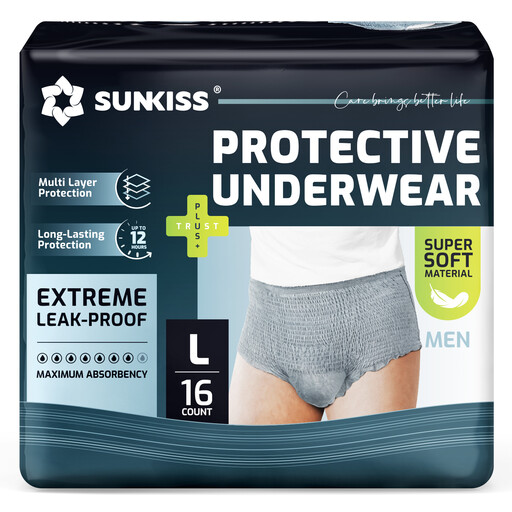
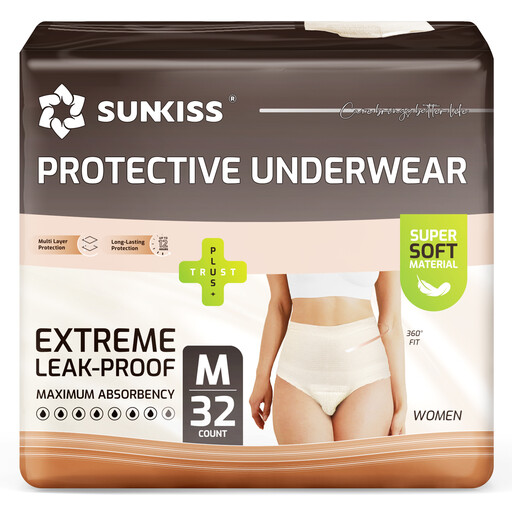
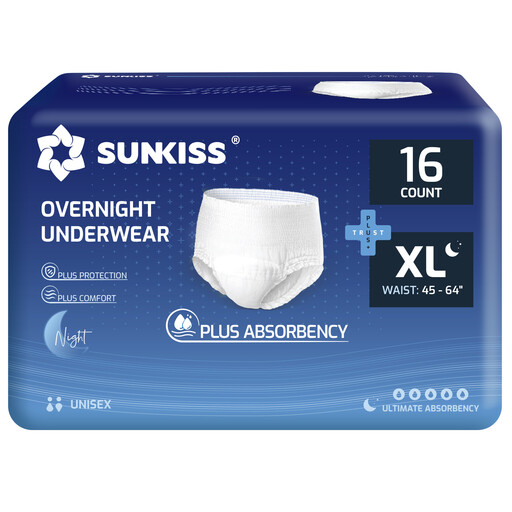
The products presented here cover specific use cases. For a comprehensive overview of other absorbent products and various fits tailored to different needs, you can browse our range of Pullunder.
1. How do I find the right size for incontinence pants? The correct size is crucial for comfort and leak protection. Measure your hip and waist circumference and compare the measurements with the respective manufacturer's size chart. The underwear should fit snugly but not dig in.
2. Can incontinence underwear be worn at night? Yes, but for overnight use, you should choose products explicitly labelled as "for night," "Overnight," or with "heavy" or "very heavy absorbency." These models have a larger absorbent core and offer additional protection while lying down.
3. Are disposable incontinence briefs discreet under clothing? Modern incontinence products are designed to be as discreet as possible. They use thin, low-rustle materials and have a body-hugging, underwear-like fit, making them hardly noticeable under most clothing.