
Lieferung heute & morgen

Qualitätsgarantie

Willkommens-Angebote freischalten: KOSTENLOSE Lieferung | Bis zu 80 % RABATT | Kostenlose 30-Tage-JoyPlus-Testphase
App herunterladen
Indian spices and curry pastes make it easier to cook curry, tandoori, tikka or korma. But not every blend suits every dish. A mild curry spice mix may lack punch for a marinade, while a very salty paste can quickly throw a dish off balance.
If you’re buying spices and pastes online in Germany, don’t just look for words like “authentic” or “traditional”. What really matters are the ingredient list, allergens, heat level, pack size and the intended use.
Masala simply refers to a spice mixture. Garam masala often includes aromatic ingredients such as cardamom, cloves, cinnamon, cumin or pepper. It’s frequently added near the end of cooking so the aroma stays bright.
Madras curry powder, by contrast, is usually more geared towards making curry dishes. Tandoori masala is typically used for marinades with yoghurt, lemon juice or oil. Before buying, make sure you know whether a blend is meant as a base seasoning, a finishing touch or for marinades.
You can’t read heat level from the product name alone. Chilli powder, cayenne pepper and paprika may be present in different proportions. Some products also have a comparatively high salt content. For example, the Shan Meat Masala reportedly contains 19 g of salt per 100 g. Dose sparingly and only add extra salt after tasting.
Curry pastes often include oil, tomato purée, onions or tamarind. That makes them differ markedly from dry spices in calories, texture and flavour.
Dry spice mixes should be stored in a cool, dry place away from direct sunlight. After opening, transfer to an airtight container. Moisture affects flow and can dull the aroma more quickly.
Curry pastes need handling that varies by product. Several SWAD-JR pastes should be refrigerated at 4 to 6 °C after opening and used within three months. According to the product description, Patak’s Tandoori Marinade Paste should be refrigerated and used within six weeks once opened. Always follow the instructions on the individual pack.
Before buying, take a look at the full ingredient list. Common components include coriander, turmeric, cumin, ginger, garlic, chilli, mustard and fenugreek. Pastes may also contain oil, sugar, tomato purée, maize starch or acidity regulators.
If you have allergies, look for mentions of mustard, soya, celery, milk, nuts, sesame or cereals containing gluten. Even if a product doesn’t contain a main declarable allergen itself, a warning about possible traces may still be relevant.
A dry curry spice blend is space-saving, long-lasting and easy to dose. It’s suitable for rice dishes, soups, vegetables, pulses and stews. An example is Cadea Mild Curry Powder with turmeric and coriander as the main ingredients by quantity.
An Indian spice paste already contains moist ingredients and is usually fried in oil before adding meat, vegetables or liquid. Patak’s Madras Spice Paste, for instance, recommends two tablespoons of paste for three to four portions followed by the addition of water. With pastes, plan for pack size, fridge space and use-up time.
If you cook occasionally, a small 45 or 100 g pack is often enough. Regular users might opt for 283 to 400 g, provided the blend is used often. For a mild family dish, products labelled accordingly are sensible. If you’re making robust Pakistani meat dishes, you could choose a more complex blend such as Meat Masala and adjust the quantity to taste.
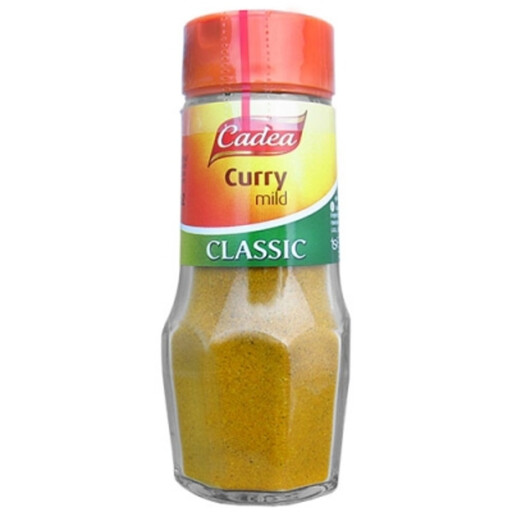
Why this product suits the profile: The small shaker pack is ideal for your first curries and for controlled day-to-day seasoning.
Being labelled mild reduces the risk of picking a blend that’s too hot for simple everyday dishes.
45 g pack, shaker for easy dosing, and a base of turmeric and coriander.
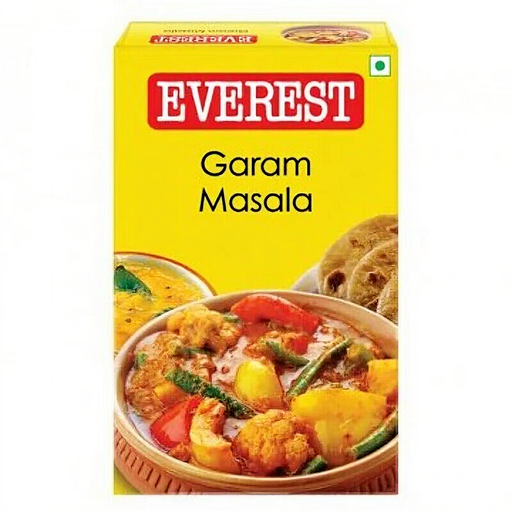
Why this product suits the profile: The detailed spice list lets you choose precisely for curries, soups, marinades and stews.
Ingredients are clearly specified, making the blend easier to judge than a vague spice composition.
100 g pack, stated origin India, and ingredients such as black cardamom, star anise, cloves and fennel.
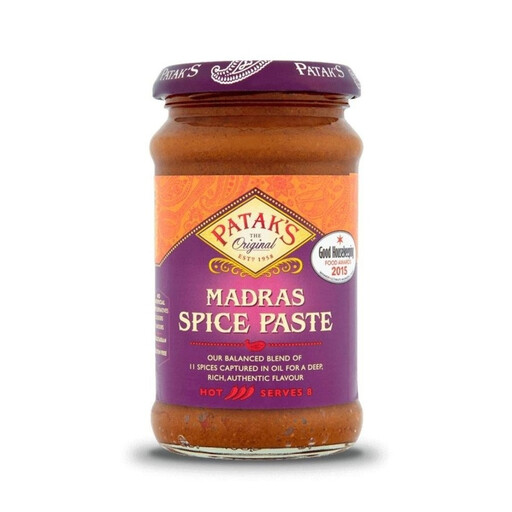
Why this product suits the profile: The ready-to-use paste is designed for regular Madras curries and to season marinades, soups and sauces.
The dosing advice of two tablespoons for three to four portions offers clear guidance instead of vague quantities.
283 g content, tomato purée and onions in the recipe, and mustard listed as an allergen.
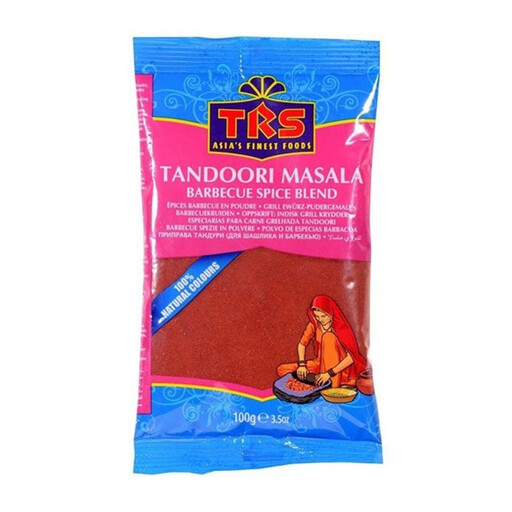
Why this product suits the profile: Mix the powder with yoghurt and lemon juice to make a marinade for meat, fish or vegetables.
The intended use as a marinade is clearly described; check for mustard and celery before you buy.
100 g tin, more than 20 listed spices, and suitable for grilling, baking or frying.
We’ve compiled a complete, regularly updated list of products that fully meet these strict selection criteria and the safety regulations in force in the EU.
Dry mixes are often first fried off with onions, ginger and garlic in a little oil. This helps the seasoning spread evenly. With a curry paste, a brief fry-off is also advisable before adding water, coconut milk, tomatoes or stock. Do not eat the paste raw if the product information specifies it is intended as a cooking ingredient.
For Tikka Masala Paste, Butter Chicken Paste or Korma Curry Paste, the other ingredients you use are crucial to the result. Tikka is often combined with yoghurt or oil, Butter Chicken with a mild tomato base, and Korma with coconut, cream or yoghurt. The name alone is no substitute for checking the ingredients list.
A blend labelled mild, such as Cadea Mild Curry Powder or TRS Mild Madras Curry Powder, can be a good starting point. Even so, adjust the heat by checking the ingredients and how much you use.
That depends on the specific product. SWAD-JR pastes should be refrigerated after opening and used within three months. According to the product description, Patak’s Tandoori Marinade Paste should be used within six weeks. The instructions on the label take precedence.
Garam masala is usually an aromatic spice blend with ingredients such as cardamom, cinnamon, cloves and pepper. Madras curry powder often contains turmeric, coriander, cumin and chilli and is more commonly used as a base seasoning for curries. For authentic Indian cooking, both products serve different roles.