
Lieferung heute & morgen

Qualitätsgarantie

Willkommens-Angebote freischalten: KOSTENLOSE Lieferung | Bis zu 80 % RABATT | Kostenlose 30-Tage-JoyPlus-Testphase
App herunterladen
As a Joybuy Product Recommendation Officer, my role is to provide you with clear and objective product information. Many people miss the authentic taste of Indian sweets or are curious to explore this unique culinary world. The selection in local stores is often limited, and finding traditional specialities, especially for festivals like Diwali, can be a challenge.
This article serves as your guide. It introduces a selection of products and provides objective criteria to help you find the perfect Indian sweets for your taste and occasion.
The range of Indian desserts is vast and diverse. To find products that meet your expectations, the following points can be helpful.
The foundation of many traditional recipes includes ingredients like chickpea flour (besan), semolina, nuts, milk solids (khoya), and sweeteners such as sugar or jaggery (unrefined cane sugar).
Indian sweets can vary greatly. Some are rich desserts for special occasions, while others serve as an energy-boosting sweet Indian snack.
Are you planning to buy for a specific festival like Diwali? Diwali sweets such as Besan Burfi or Laddu are classics that are perfect for sharing and gifting. Pay attention to the storage instructions and the best-before date, especially when buying in larger quantities. Many products should be stored in an airtight container after opening to maintain their freshness.
Here is an introduction to three different types of Indian confectionery, based on their objective product characteristics.
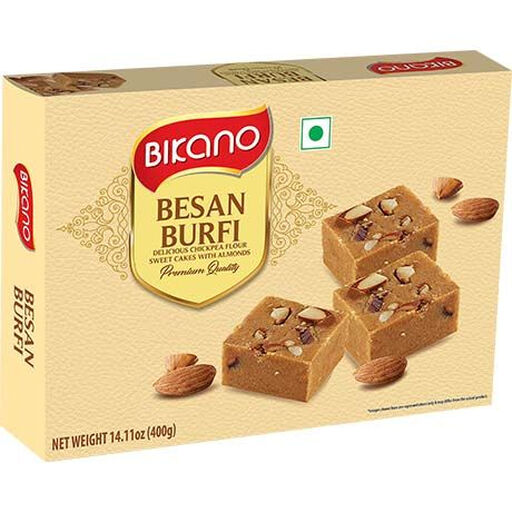
What Makes This Product Stand Out
Besan Burfi is a traditional confection with a soft, fudge-like consistency. The main ingredient is besan (chickpea flour), which is roasted to develop a nutty aroma. This version from Bikano combines chickpea flour with sugar and almonds to create a classic Indian dessert.
Product Specifications
Who Is It For?
This product is suitable for those who prefer a soft, less crunchy sweet. It is a popular choice for festive occasions, as a dessert after a meal, or to accompany tea and coffee.
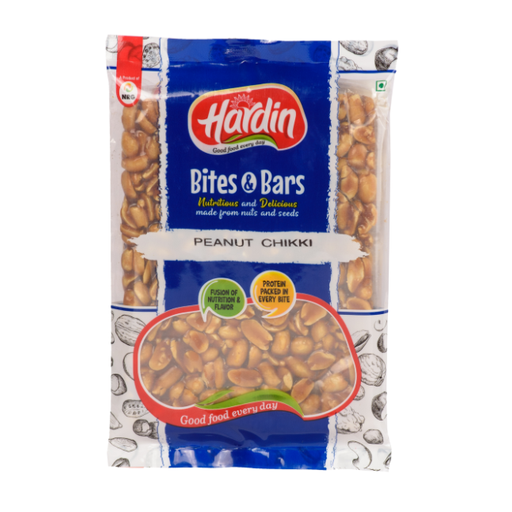
What Makes This Product Stand Out
Chikki is a traditional bar often compared to European brittle. This "3 in 1" version from Hardin combines three main ingredients: peanuts, amaranth (rajgira), and sesame. Jaggery is used as a binding agent, giving the bar its characteristic sweetness and colour.
Product Specifications
Who Is It For?
Ideal for anyone looking for a crunchy, high-energy snack. The combination of nuts and seeds makes it a great choice for on-the-go, during sports, or as a nutritious bite between meals.
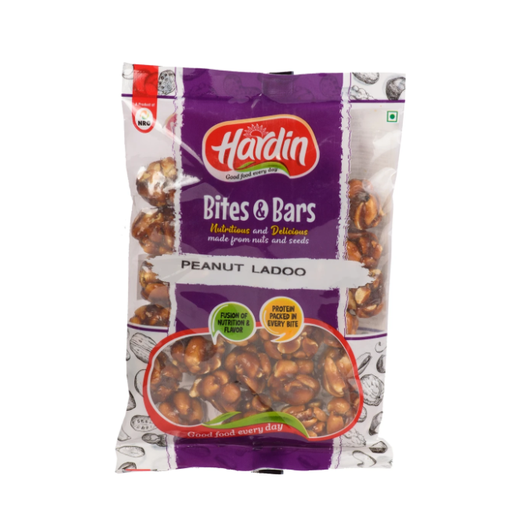
What Makes This Product Stand Out
Laddu (or Ladoo) are ball-shaped sweets that exist in countless variations. This version from Hardin focuses on roasted peanuts formed into balls with jaggery. The result is an intense peanut flavour with a firm yet crumbly texture.
Product Specifications
Who Is It For?
This product is a great option for those who prefer a high-protein, plant-based snack. Its high energy content also makes it suitable for active individuals. Lovers of intense peanut flavour will find it very satisfying.
The products featured here are just a small glimpse into the world of Asian confectionery. From milk-based desserts to semolina and fruit confections, there is so much more to discover.
If you are curious about other options or need a wider selection for a festival, you can find many more products to order conveniently online in our Asian Desserts category.
For the festival of lights, Diwali, many different sweets are traditionally prepared and given as gifts. Some of the most well-known include Laddus (balls made of flour, semolina, or nuts), Burfis (a milk- or flour-based confection), Jalebis (deep-fried batter spirals soaked in sugar syrup), and Gulab Jamun (deep-fried dough balls in syrup).
The ingredients vary greatly depending on the region and the type of sweet. Common bases include:
Most store-bought Indian sweets should be kept in a cool, dry place. After opening the package, it is advisable to store them in an airtight container. This protects them from moisture and prevents the loss of flavour and texture. Always follow the specific storage instructions on the product packaging.