
Lieferung heute & morgen

Qualitätsgarantie

Willkommens-Angebote freischalten: KOSTENLOSE Lieferung | Bis zu 80 % RABATT | Kostenlose 30-Tage-JoyPlus-Testphase
App herunterladen
A stylish indoor ceramic planter can significantly elevate a room's ambiance and provide the perfect home for your houseplants. But the selection is vast, and not every product that looks appealing at first glance is a good choice. Certain flaws often only reveal themselves after purchase, leading to frustration and, in the worst cases, damage to your plants or furniture.
As your Joybuy Product Recommendation Officer, I'm here to help you identify the common pitfalls. We'll focus on the objective criteria that define a quality planter for houseplants, ensuring your next purchase is a sound, long-term investment.
The 3 Most Common Mistakes When Buying Ceramic Pots:
To avoid these problems, you should check three core aspects before buying. These factors define the quality and longevity of your ceramic pot.
The term "ceramic" is an umbrella term for various materials. For indoor use, pots made from stoneware are a very common and robust choice. The finish on the inside is crucial. If it is unglazed or poorly glazed, the material can absorb water.
A functional drainage system is non-negotiable for the health of most houseplants. It prevents excess water from remaining in the pot and damaging the roots.
The right size is important for both the plant's health and the overall aesthetic. A pot that's too small restricts root growth, while an overly large planter can cause the soil to stay wet for too long.
Here are some recommendations tailored to different needs and interior styles that meet the criteria mentioned above.
Why This Fits Their Persona: Ideal for those who prefer a clean, understated design. Its simple, black form blends seamlessly into modern and minimalist interiors without distracting from the plant. Perfect for smaller plants on shelves or side tables.
This model is designed as a classic ceramic cachepot. It bypasses the drainage trap because the plant remains in its own nursery pot with holes, placed inside the waterproof planter. This prevents waterlogging and protects your furniture.
Crafted from stoneware for enhanced durability. The timeless, minimalist design remains modern and versatile for years to come.

Why This Fits Their Persona: For plant lovers who prioritise plant health above all else. The rectangular shape is ideal for windowsills and can accommodate several small plants like succulents or herbs. Functionality is the clear focus here.
This model solves the drainage problem perfectly. According to the manufacturer, it features two drainage holes and a perfectly fitting, detachable saucer. This reliably protects surfaces and actively prevents root rot from waterlogging.
A fully integrated drainage system for optimal plant health. The matte finish is resistant to fingerprints and has a very modern look.
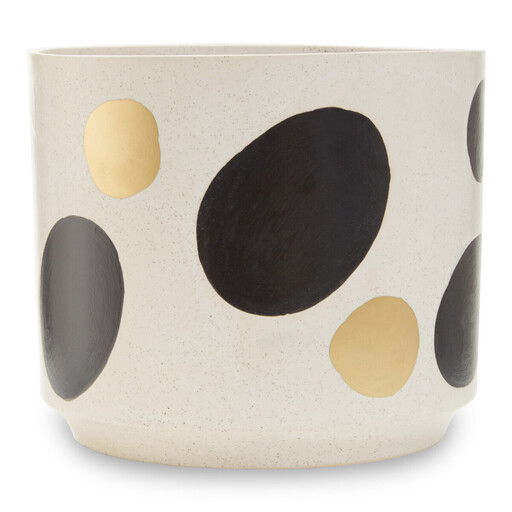
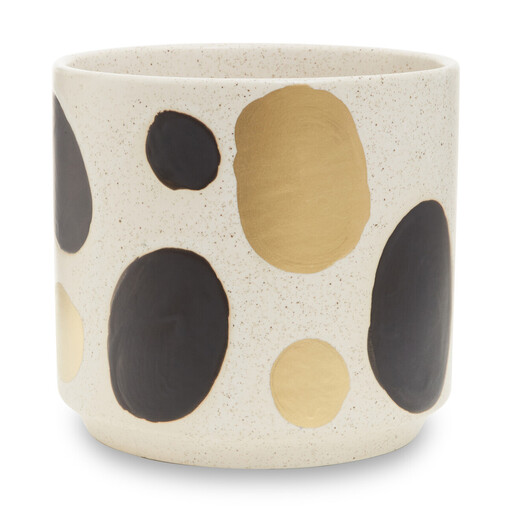
Why This Fits Their Persona: This pot is more than just a planter—it's a standalone decorative object. The white ceramic with black and gold speckles adds a luxurious accent, becoming a focal point in any room. Ideal for anyone looking to make a decorative statement with their plants.
It combines sophisticated design with functionality. According to the manufacturer, this decorative planter includes a drainage hole, setting it apart from purely decorative cachepots and allowing for direct planting without the risk of waterlogging.
Striking, modern design with high-end accents. As a large planter (H17 x D18 x W18 cm), it offers ample space for substantial houseplants.
We've compiled a complete, up-to-date list of products that meet these strict selection criteria and quality standards.
Not necessarily. If you use the pot as a ceramic cachepot, no hole is required. The plant remains in its plastic nursery pot (which has holes), and excess water collects in the cachepot, from where it can be poured out. However, for planting directly into the ceramic pot, a drainage hole is essential to prevent root rot.
A good rule of thumb is to choose a pot with an inner diameter that is 2 to 4 centimetres larger than your plant's current root ball. This gives the roots enough room to grow without the soil staying wet for too long, which can happen in an oversized pot.
Caution is advised here. Not all indoor ceramic pots are frost-proof. If water seeps into fine, invisible cracks in the material and freezes, it expands and can crack the pot. Look specifically for the manufacturer's "frost-proof" or "suitable for outdoor use" label if you plan to keep the pot on a balcony or terrace through the winter.