
Lieferung heute & morgen

Qualitätsgarantie

Willkommens-Angebote freischalten: KOSTENLOSE Lieferung | Bis zu 80 % RABATT | Kostenlose 30-Tage-JoyPlus-Testphase
App herunterladen
An indoor climbing frame can be a valuable addition to your home, encouraging a child's natural urge to move, especially on rainy days. It provides an opportunity to develop motor skills like balance, strength, and coordination in a familiar environment. However, the market can be overwhelming, and not every model delivers on its promises. This guide will help you avoid common pitfalls and make an informed decision.
Many well-intentioned purchases turn out to be problematic in hindsight. Pay close attention to these three aspects to avoid a poor investment.
To avoid the problems mentioned above, you should check the following parameters before buying. They form the basis for safe and durable play equipment.
The choice of material is fundamental. Solid wood, such as beech or birch, is generally more durable and stable than particle board or softer woods like pine. Look for a clean finish: all edges must be rounded and the surfaces sanded smooth to prevent splinters. For painted models, it's crucial that water-based paints are used that comply with the EN 71-3 standard (Safety of toys). A wooden climbing tower should be an investment in safety and longevity.
The stability of an indoor play tower is non-negotiable. A wide base, such as an A-frame design, ensures high stability. Check the manufacturer's specified maximum load capacity in kilograms. This should account not only for a child's weight but also for the dynamic forces generated during swinging or climbing. A rating of at least 50 kg is recommended for a single child, and correspondingly more for equipment designed for multiple children.
A good climbing frame for the kids' room promotes development without dictating the play. Models based on the Montessori method, such as climbing triangles, encourage children to explore their own abilities and limits. Modular systems are a major advantage. A basic frame that can later be expanded with a slide, a ladder ramp, or a climbing frame with a swing grows with the child and remains engaging for years. This turns a simple wooden toy for ages 2 and up into a long-term companion in your at-home indoor playground.
Not every toy is right for every child. Here are some options tailored to different needs and play styles.
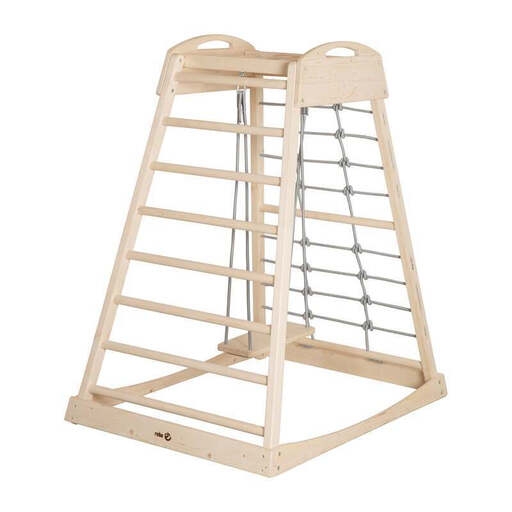
Why this model is a great fit: This frame is designed for families who value early motor skill development based on the Montessori method. It offers a wide range of movement possibilities in a compact footprint.
The solid wood construction and wide base ensure high stability. The finish, with its rounded edges and use of natural wood, addresses material and safety concerns. Its versatility (ropes, rings, swing) guarantees a long period of use.
The high load capacity of up to 70 kg and multifunctional elements like gymnastic rings and an interchangeable solid wood swing offer high play value and a long lifespan.
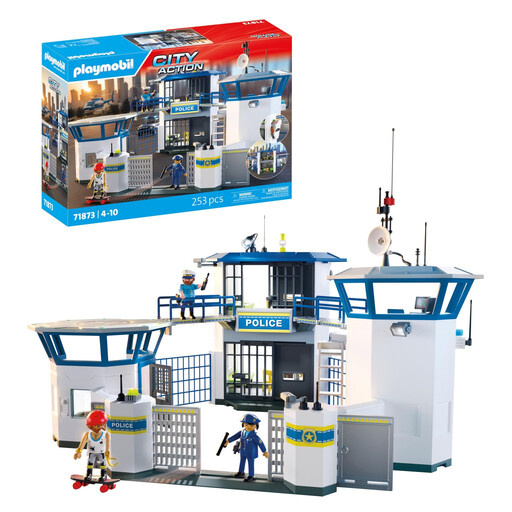
Why this model is a great fit: For children whose play is more focused on imaginative stories and role-playing than on purely physical activity. It fosters creativity and social play.
This playset avoids the pitfall of being a "single-purpose toy." The numerous details and figures allow for countless stories to be invented, ensuring long-lasting fun.
Specifically promotes imagination, language development, and social interaction when playing with others. It is part of an expandable system of PLAYMOBIL-themed worlds.
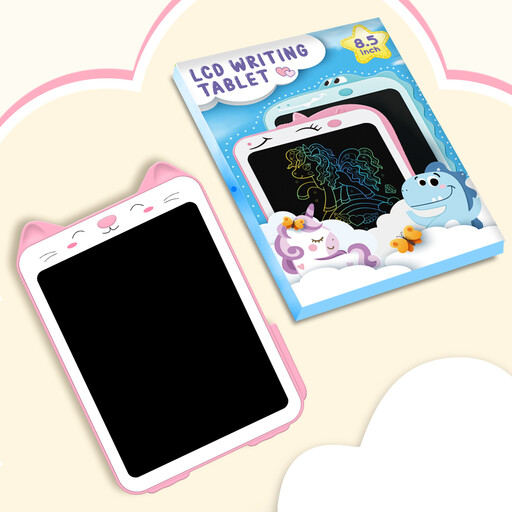
Why this model is a great fit: An ideal companion for quiet phases after active play. It's a clean and reusable alternative to paper and pens, perfect for at home and on the go.
It avoids the mess and waste of traditional art supplies. At the same time, it provides a meaningful activity that, unlike many digital games, promotes fine motor skills and creativity.
Lightweight, portable, and extremely easy to use. The one-touch erase button allows for endless drawing and writing fun with no subsequent material costs.
A climbing frame is a wonderful way to encourage movement. But the world of creative play is much bigger. Discover more toys that inspire imagination and development.
1. From what age is a climbing frame for the kids' room a good idea? Most indoor climbing frames are recommended for children aged 2 and up. At this age, children begin to intensively train their gross motor skills. It's important to choose a model that matches the child's developmental stage and doesn't overwhelm them. Always pay attention to the manufacturer's age recommendation and never let your child play unsupervised.
2. How much space does an indoor play tower need? Measure the available space in the child's room accurately. Plan not only for the footprint of the frame itself but also for a safety clearance of at least one metre in all directions. This area should be free of other furniture, walls, or hard objects to minimise the risk of injury in case of a fall. A soft surface, like a play mat, is also recommended.
3. Does a climbing frame need to be fixed to the wall? That depends on the model. Many freestanding climbing frames, especially climbing triangles, are designed to be stable without being anchored to the wall. Taller models or those with one-sided attachments may require additional wall mounting to ensure it won't tip over. Read the manufacturer's assembly instructions carefully and follow the safety guidelines. Stability is always the top priority.