
Lieferung heute & morgen

Qualitätsgarantie

Willkommens-Angebote freischalten: KOSTENLOSE Lieferung | Bis zu 80 % RABATT | Kostenlose 30-Tage-JoyPlus-Testphase
App herunterladen
Choosing the right indoor LED lighting can be more complex than it first appears. A poor decision not only results in an unsuitable atmosphere but can also lead to unnecessary costs and even safety hazards. Many buyers fall into recurring traps created by opaque marketing and overlooked technical details. This guide will help you understand the crucial criteria and make an informed choice.
Before making a purchase, it's important to know the most common pitfalls that lead to dissatisfaction.
To avoid these mistakes, focus on three core technical parameters. These determine the function, safety, and longevity of your new lighting.
The colour temperature determines the lighting mood. It is measured in Kelvin and can be divided into three main categories:
The IP (Ingress Protection) rating is a two-digit code that indicates how well an electrical device is protected against the ingress of foreign objects (first digit) and water (second digit). For an LED ceiling light in the bathroom, the following values are relevant:
Modern LED lights offer more than just illumination. Integrated features can significantly enhance comfort and safety:
Here are three product recommendations tailored to different user profiles and their specific requirements.
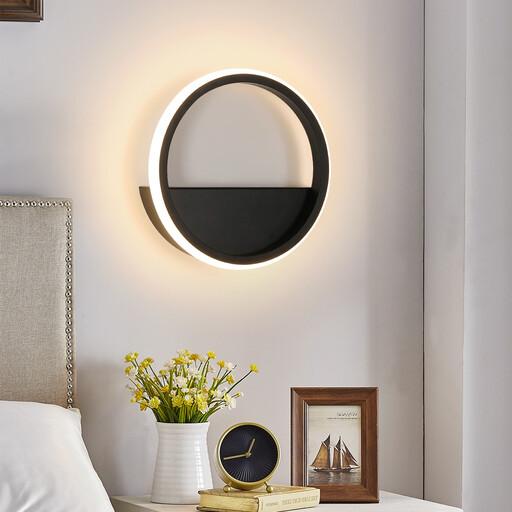
Why This Fits Their Persona: Ideal for users seeking a clean, modern design to create accents in living rooms, hallways, or stairwells. The indirect, warm white light creates an inviting atmosphere without glare.
The light has a defined colour temperature of 3000K (Warm White), which specifically qualifies it for living areas and avoids the mistake of choosing a light that is too cool. Its design is intended for atmospheric, indirect lighting.
High-quality aluminium housing for a long lifespan and a modern aesthetic. Energy-efficient 12W LED technology.
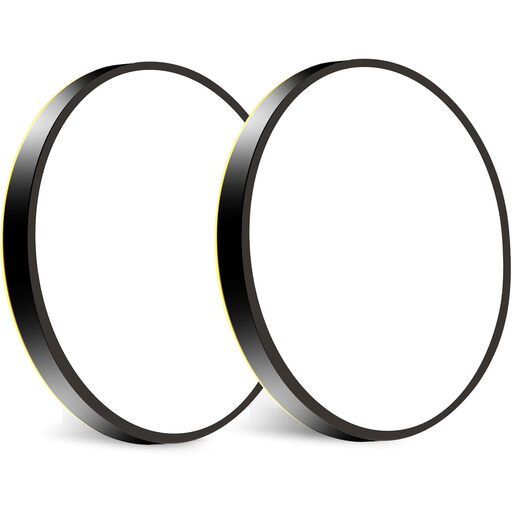
Why This Fits Their Persona: Perfect for modernising utility spaces like bathrooms, kitchens, hallways, or basements. This set provides a bright, uniform, and moisture-resistant lighting solution designed for functionality and durability.
With its IP54 rating, this light is explicitly suitable for damp rooms, avoiding safety risks. The 6500K cool white colour is deliberately chosen for work areas where brightness and clear visibility are a priority.
Practical set of 2 for uniform outfitting. High light output of 3600 lumens per light for excellent illumination.
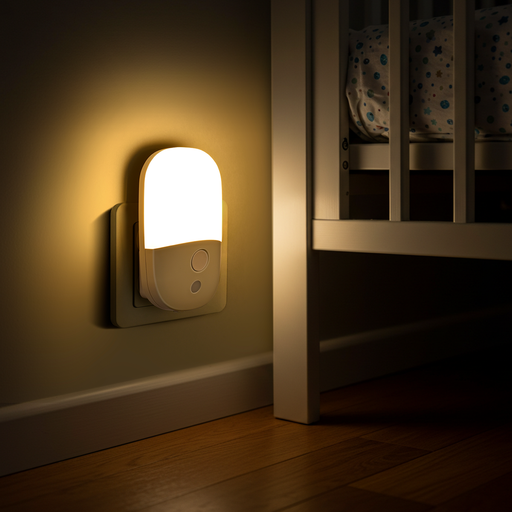
Why This Fits Their Persona: For anyone who needs a simple and effective solution for nighttime orientation in hallways, stairwells, or children's rooms. Its "plug-and-play" nature requires no installation.
This night light bypasses the hassle of installation completely. The integrated dusk-to-dawn sensor ensures automatic and energy-efficient operation, so you don't have to worry about turning it on or off.
Adjustable brightness to suit personal preferences. The very warm light (2700K) does not disturb sleep.
We have compiled a complete, up-to-date list of products that fully meet these strict selection criteria and safety regulations.
Integrated LED modules typically have a very long lifespan, often between 20,000 and 50,000 operating hours. With an average use of three hours per day, this corresponds to a lifespan of over 18 years. Although the light source cannot be replaced, the fixture in most cases outlasts several cycles of conventional bulbs, which minimises maintenance.
The IP rating indicates the degree of protection against foreign objects and water. For bathrooms, the second digit is crucial: IPx4 (e.g., IP44) means protection against splashing water from all directions and is the minimum standard for areas not directly exposed to a shower's water jet. IPx5 provides protection against water jets, while IPx7 even allows for temporary immersion. The choice of the correct rating depends on the exact installation location in the bathroom.
That depends on the type of light. A ready-to-use product like a plug-in night light requires no installation. For hardwired ceiling or wall lights, however, it is strongly recommended to have the installation performed by a qualified electrician. This not only ensures correct and safe operation but is also important for compliance with insurance policies and legal regulations (especially in damp rooms).