
Lieferung heute & morgen

Qualitätsgarantie

Willkommens-Angebote freischalten: KOSTENLOSE Lieferung | Bis zu 80 % RABATT | Kostenlose 30-Tage-JoyPlus-Testphase
App herunterladen
A carefully chosen indoor plant pot is more than just a container for your plants. It is an essential element of your interior design, significantly influencing the style and atmosphere of a room. However, choosing the right pot can be a challenge given the variety of materials, sizes, and designs available.
This guide is designed to offer you clear direction. We will provide objective criteria for your selection and present a curated range of planters, each suited for different indoor applications due to their specific characteristics.
Three key aspects will help you find the right indoor planter: the material, the size, and the design.
The material affects not only the look of the pot but also its weight, durability, and maintenance.
The size of the pot must be appropriate for the plant. A pot that is too small restricts root growth, while one that is too large can lead to waterlogging as the soil dries too slowly. As a rule of thumb, the new pot should be about 2-4 cm larger in diameter than the old one.
Also, pay attention to the difference between a planter and a cachepot. An indoor plant pot with a drainage hole, in which the plant is directly potted, requires a saucer. A cachepot has no hole and serves as a decorative cover for the actual, usually simpler, plastic nursery pot.
The plant pot should harmonise with your interior design style. A modern plant pot in simple colours like white, grey, or black will blend seamlessly into minimalist or Scandinavian concepts. For example, a black plant pot can create an elegant contrast against green leaves and light-coloured walls. Consider the pot a decorative planter that intentionally sets an accent.
Here you will find a selection of products that are suitable for different needs and interior styles due to their specific features.
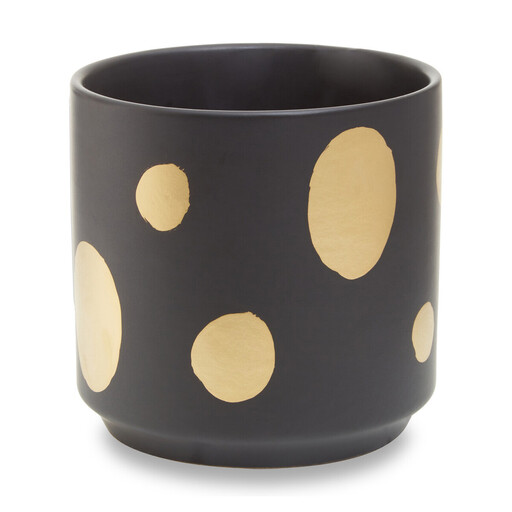
Why it stands out: This small planter combines a minimalist form with a decorative accent. The smooth, black ceramic surface is complemented by warm metallic dots, giving the pot a subtle yet striking look.
Advantages:
Who is it for? For those looking for a functional yet decorative ceramic cachepot for smaller houseplants or succulents. It fits particularly well in modern living or office environments.
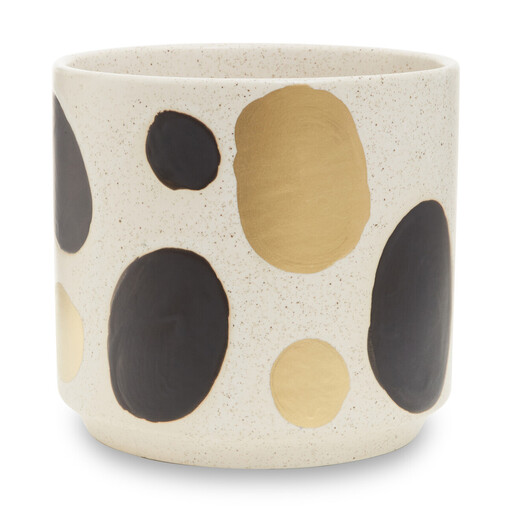
Why it stands out: This model is distinguished by its clean, unadorned design. The cylindrical shape and matte black surface embody a timeless minimalism that puts the plant front and centre.
Advantages:
Who is it for? Ideal for anyone who prefers an unobtrusive yet stylish houseplant pot. Its universal look makes it a safe choice for almost any plant and any room.
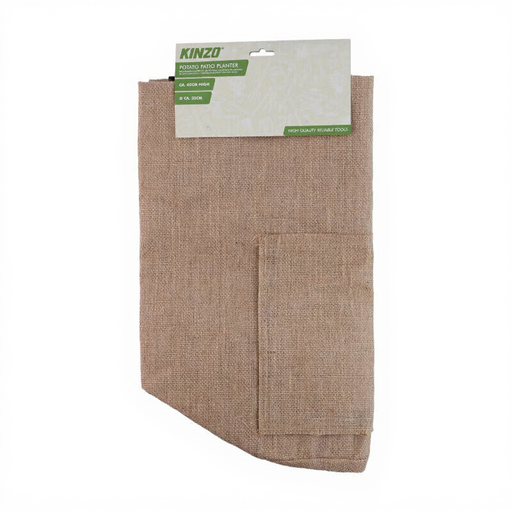
Why it stands out: This planter is an unconventional option for indoor use, characterised by its large volume and low weight. Originally designed for growing potatoes on patios, it also offers interesting possibilities indoors.
Advantages:
Who is it for? For plant enthusiasts who need a very large but lightweight planter for indoors. It is a practical solution for anyone wanting to cultivate large plants without having to move heavy ceramic pots.
Haven't found the right model for your needs yet? An indoor plant pot is a very personal choice. In our full collection, you will find a wider selection of materials, sizes, and styles to find the perfect home for your plants.
A hole in the bottom of the pot (a drainage hole) is crucial to prevent waterlogging, which can lead to root rot. If you want to use a decorative pot without a hole, place the plant in a smaller plastic pot with holes and then set this inside the cachepot. Excess water will collect in the cachepot and can be poured out.
A planter is the functional container into which the plant is directly potted with soil. It has drainage holes. A cachepot is a decorative cover without holes, into which the planter is placed. It catches excess water and protects furniture surfaces.
The choice depends on your priorities. Ceramic is heavy and stable, which is an advantage for large, top-heavy plants. The material also often has a more premium look. Plastic is lightweight, shatterproof, and generally less expensive. It is practical if plants need to be moved frequently. Both materials are well-suited for most houseplants when used correctly.