
Lieferung heute & morgen

Qualitätsgarantie

Willkommens-Angebote freischalten: KOSTENLOSE Lieferung | Bis zu 80 % RABATT | Kostenlose 30-Tage-JoyPlus-Testphase
App herunterladen
Choosing the right indoor plant pot is often more of a challenge than it first appears. It not only needs to suit the plant but also complement your interior design, be functional, and promote the plant's health. Many people are looking for a vessel that is both a decorative element and a practical home for their green companions.
This article presents a selection of different planters that cater to various needs and styles. The goal is to provide you with objective information and a clear overview to make it easier to find the perfect choice for your home or office.
Before we look at specific products, here are some fundamental criteria that can help you decide on an indoor plant pot.
A pot's material significantly defines its look and feel. A ceramic plant pot often has a classic, solid feel, while glass conveys a light, modern aesthetic. Wood, in turn, can add a rustic or natural touch. Consider which style fits your decor. A modern cachepot in simple colours like black or white blends seamlessly into minimalist settings, while a playful design can be a real eye-catcher.
Your plant's health heavily depends on proper watering. Waterlogging is one of the most common reasons houseplants die. A planter with a saucer and drainage holes is therefore a highly functional solution. Excess water can drain through the holes at the bottom of the pot and is collected in the saucer. This not only protects the roots from rot but also saves your furniture from water stains.
The size of the pot should match the plant's root ball. A pot that is too large can cause the soil to stay wet for too long, while one that is too small restricts root growth. A rule of thumb is that the new pot should be about 2-4 cm larger in diameter than the old one. Also, consider the available space on your windowsill, shelf, or floor. For smaller plants like succulents, there are special, often shallower pots designed as succulent pots.
Here you will find a selection of planters that stand out for their design, materials, or functionality.
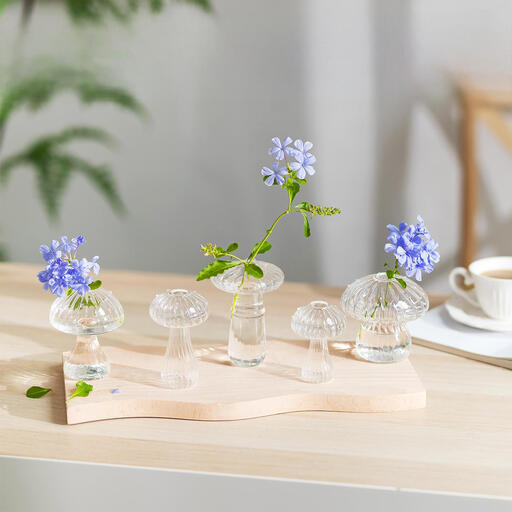
Why it stands out: This set breaks from the traditional planter shape. The five glass vases in different mushroom forms are an extraordinary decorative element. They are perfect for hydroponics or as a propagation station for cuttings, as you can watch the root growth directly. The clear glass and playful shape make it a very decorative planter.
Advantages:
Who it's for: For plant lovers who enjoy propagating cuttings and want to watch the process. Also ideal for those looking for an unconventional, playful decorative object that serves as a conversation starter.
View Details for the Mushroom Plant Terrarium
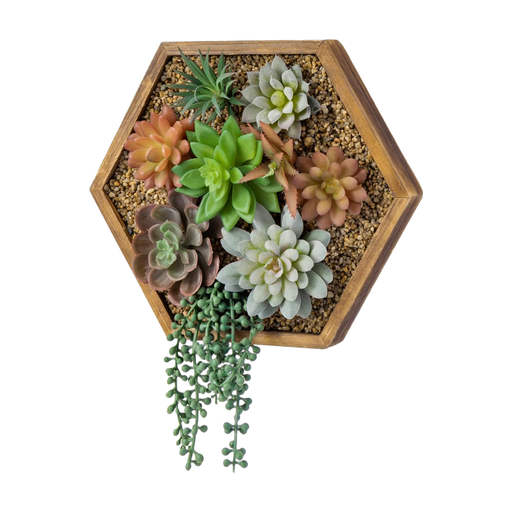
Why it stands out: This product combines wall art with plant decor. The hexagonal, rustic-treated wood frame contains an arrangement of faux succulents and a string-of-pearls plant. It offers the look of a vertical garden without any of the maintenance.
Advantages:
Who it's for: For people who appreciate the look of plants but don't have the time or means to care for them. It's also a great solution for rooms with little natural light or for anyone looking for creative wall decor.
View Details for the MyGift 3D Wall Planter
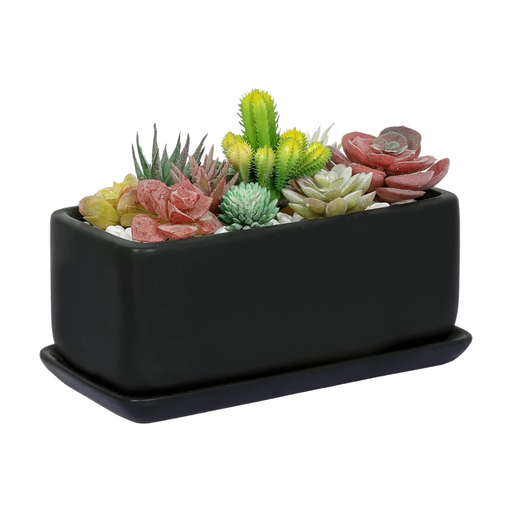
Why it stands out: This ceramic plant pot impresses with its clean, minimalist design. The rectangular shape and matte black finish make it a timeless, modern cachepot. Its thoughtful functionality is particularly noteworthy: it comes as a planter with a saucer and features two drainage holes.
Advantages:
Who it's for: For design lovers who prefer a simple and modern aesthetic. Also ideal for plant owners who value healthy plant care through good drainage and are looking for an all-in-one solution with a pot and matching saucer.
View Details for the MyGift Ceramic Planter
The selection presented here covers various styles and functions. If you'd like to explore other materials, shapes, or sizes, you might find the perfect piece for your home in our broader collection.
Explore All Plant Pots on Joybuy
1. What is the best material for an indoor plant pot? Common materials include ceramic, terracotta, plastic, glass, and wood. Ceramic is sturdy and available in many designs. Terracotta is porous and promotes root aeration but can dry out faster. Plastic is lightweight and easy to clean. Glass is well-suited for hydroponics, while wood exudes a natural warmth. The choice depends on the desired style and the plant's needs.
2. Does an indoor plant pot need a hole? For most plants, a hole at the bottom of the pot is highly recommended to prevent waterlogging. If you use a cachepot without a hole, you should keep the plant in a smaller inner pot that has holes. Water carefully and check regularly to ensure no water collects at the bottom of the cachepot. A planter with a saucer is a practical alternative that combines function and design.