
Lieferung heute & morgen

Qualitätsgarantie

Willkommens-Angebote freischalten: KOSTENLOSE Lieferung | Bis zu 80 % RABATT | Kostenlose 30-Tage-JoyPlus-Testphase
App herunterladen
A fitness trampoline, also known as a rebounder or mini trampoline, is a compact piece of exercise equipment designed for indoor use. It provides an effective cardiovascular workout, with the elastic jumping mat absorbing most of the impact energy. This mechanism results in a low-impact workout suitable for a wide range of users, from fitness beginners to individuals undergoing rehabilitation. Selecting the right model depends on specific technical parameters and personal requirements.
The decision to purchase an indoor trampoline should be based on an analysis of its design features. The following criteria are crucial for the device's functionality and durability.
The models featured here use a system of steel springs to connect the jumping mat to the frame. This design ensures a responsive and defined rebound. The number and quality of the springs significantly influence the bounce characteristics. A higher spring count can contribute to a more even tension distribution across the mat. A foam spring cover, found on some models, serves as an additional safety feature.
The frame forms the foundation of the trampoline. It is typically made from powder-coated steel, which offers high stability and corrosion resistance. Stability is ensured by the number and design of the legs. Non-slip rubber caps on the feet are a standard feature that protects your floor and prevents the device from slipping during workouts.
The jumping mat is the central component for use. Polypropylene (PP) is commonly used for this purpose. This synthetic fabric is characterized by its high tear resistance, UV resistance, and elasticity, making it ideal for withstanding the repeated stress of jumping.
The maximum weight capacity specified by the manufacturer is a critical safety parameter that must not be exceeded. It indicates the maximum user body weight the trampoline is designed to support. The diameter of the jumping surface determines the available space for movement. Larger diameters offer more room for a variety of exercises.
For users with limited space, a foldable fitness trampoline is a practical solution. The folding mechanism allows for space-saving storage. A trampoline with a handlebar offers additional stability and safety. Especially for beginners, seniors, or during rehabilitation exercises, a height-adjustable handlebar can support proper exercise form and promote balance.
The following models have been selected based on their technical specifications and functional features for various use cases.
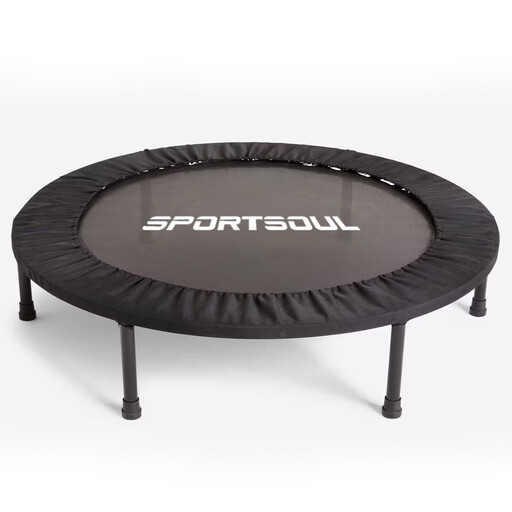
Why We're Analyzing This Product: This model represents a fundamental and functional option. It focuses on the core features of a fitness trampoline without additional components like a handlebar or a folding mechanism. Its construction is designed for durability and straightforward use.
Pros:
Who It's For: This mini trampoline is designed for users seeking a simple and robust piece of equipment for their daily workout, who do not require foldability or a handlebar. It is suitable for individuals with a body weight of up to 100 kg.
| Specification | Value | | :--- | :--- | | Diameter | 101.6 cm (40 inches) | | Max. Weight Capacity | 100 kg | | Number of Springs | 36 steel springs | | Foldable | No | | Handlebar | No |

Why We're Analyzing This Product: This model combines two sought-after features: a folding mechanism for easy storage and an adjustable handlebar for enhanced safety. The pre-assembled components reduce the setup effort.
Pros:
Who It's For: This trampoline for adults is an excellent choice for beginners, seniors, and users who need additional support from a handlebar during their workout. Due to its maximum weight capacity of 70 kg, it is designed for lighter individuals.
| Specification | Value | | :--- | :--- | | Diameter | 101.6 cm (40 inches) | | Max. Weight Capacity | 70 kg | | Number of Springs | 36 steel springs | | Foldable | Yes | | Handlebar | Yes, adjustable |
Why We're Analyzing This Product: Compared to the 40-inch version, this model offers a larger jumping surface and a slightly higher weight capacity. It retains practical features like the folding function and the adjustable handlebar.
Pros:
Who It's For: This foldable fitness trampoline is aimed at users who prefer a larger workout area and appreciate the stability of a handlebar. It is suitable for individuals weighing up to 80 kg who are looking for a versatile device for their home workouts.
| Specification | Value | | :--- | :--- | | Diameter | 121.9 cm (48 inches) | | Max. Weight Capacity | 80 kg | | Number of Springs | 40 steel springs | | Foldable | Yes | | Handlebar | Yes, adjustable |
If the models presented here do not exactly meet your requirements for weight capacity, diameter, or features, you can find a wider selection of equipment in our Workout & Fitness Equipment category. Additional models with different specifications are available there.
1. Is training on a fitness trampoline effective? Training on a fitness trampoline, also known as rebounding, engages a multitude of muscle groups and improves the cardiovascular system. The unstable surface also trains coordination and balance. The elastic mat reduces the impact load on joints like the knees and hips compared to exercises on a hard surface.
2. What should I look for in a fitness trampoline for home use? Pay attention to the maximum weight capacity, which must be appropriate for your body weight. Check the dimensions to ensure the device fits in your intended space. Consider whether features like foldability for easy storage or a handlebar for added stability are relevant to you. A sturdy frame construction and non-slip feet are fundamental safety features.
3. How does a rebounder differ from a large garden trampoline? A rebounder is a small fitness trampoline designed for indoor use. Its suspension is firmer and engineered for rhythmic, controlled fitness exercises, not for high jumps. Garden trampolines are significantly larger, have a softer suspension for high jumping, and are designed for outdoor recreational use.