
Lieferung heute & morgen

Qualitätsgarantie

Willkommens-Angebote freischalten: KOSTENLOSE Lieferung | Bis zu 80 % RABATT | Kostenlose 30-Tage-JoyPlus-Testphase
App herunterladen
By Joybuy Product Recommendation Officer, August 29, 2026
An indoor wooden climbing frame can be a valuable addition to any child's room. It offers children a way to channel their natural urge to move, even during bad weather, while playfully developing their motor skills. However, the market can be overwhelming, and not every product delivers on its promises. Before you make a decision, it's important to understand the common pitfalls that can lead to disappointment and unnecessary expense.
The three most common problems when choosing are:
To make an informed decision, you should focus on objective and verifiable criteria. These three parameters are crucial for the safety, longevity, and play value of an indoor climbing frame.
The foundation of any durable climbing frame is its material. Solid wood, such as birch or beech, is generally more resilient and stable than softwood or composite materials like MDF. Look for the following features:
Stability is the most important safety feature. Home gym equipment for a child's room must remain secure even under dynamic loads, such as from swinging or jumping.
A good climbing frame adapts to a child's development.
Based on the criteria mentioned, we have put together a few products for different needs and age groups.
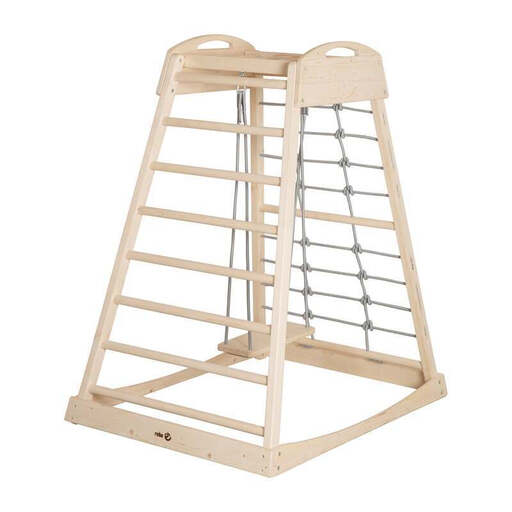
Why This Fits Their Persona: Ideal for families seeking a durable and versatile play and activity solution that can be used for years, combining activities like climbing, swinging, and gymnastics in one unit.
The solid natural wood construction and a load capacity of up to 70 kg address the problem of instability. Its versatility, with a swing and gymnastic rings, counteracts the pitfall of limited adaptability.
Multifunctional design (climbing ropes, gymnastic rings, swing). High load capacity and robust solid wood construction.
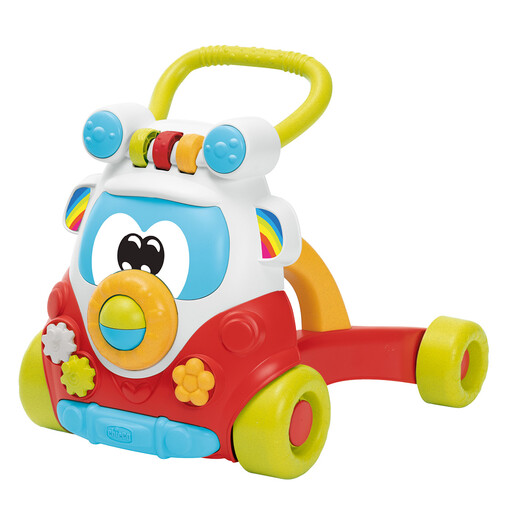
Why This Fits Their Persona: Perfect for parents of toddlers (9-24 months) who are looking for safe support for their child's first steps while also wanting to encourage fine motor skills with an integrated activity centre.
Addresses the need for stability during the early walking phase. The four large wheels provide a wide, secure base, preventing the tipping risk common with less well-designed walkers.
2-in-1 function as a baby walker and activity toy. Promotes balance and fine motor skills simultaneously.

Why This Fits Their Persona: A great alternative for families with limited space or budget who want a simple and safe way to encourage kids to engage in active floor games like hopping and balancing.
Unlike bulky equipment that can quickly fall into disuse, this mat is easy to set up and take down. This bypasses the problem of underutilisation and offers a flexible solution for daily play.
Very space-efficient and easy to store. Promotes coordination and balance through the classic game of hopscotch.
We have compiled a complete, up-to-date list of products that fully meet these strict selection criteria and rigorous safety regulations.
Simple structures like a climbing triangle are often suitable for children from around 18 to 24 months, as soon as they can crawl confidently and are making their first attempts to stand. More complex play towers with slides or higher climbing elements are generally designed for children aged 3 and up. It is always crucial to follow the manufacturer's age recommendation and to supervise the child during play to correctly assess their abilities.
Care is generally straightforward. Wiping the wood regularly with a slightly damp cloth is sufficient. Avoid aggressive cleaning agents, as they can damage the surface or leave residues that are hazardous for children. It is also advisable to check all screws and connections at regular intervals and tighten them if necessary to ensure long-term stability.
Plan not only for the footprint of the equipment itself but also for an adequate safety area around it. A good rule of thumb is to have a clear space of at least 1.5 meters around the entire climbing frame. Carefully measure the available space in the child's room or play area before deciding on a model. For smaller rooms, there are also foldable climbing triangles that can be stored to save space after playtime.