
Lieferung heute & morgen

Qualitätsgarantie

Willkommens-Angebote freischalten: KOSTENLOSE Lieferung | Bis zu 80 % RABATT | Kostenlose 30-Tage-JoyPlus-Testphase
App herunterladen
Purchasing new cookware for an induction hob seems straightforward at first glance. However, the market is filled with products whose marketing promises often overstate their real-world kitchen performance. Many buyers only realise after a few months that their new induction cookware set distributes heat unevenly, the base has warped, or the advertised coating is already showing scratches. As your Joybuy Product Recommendation Officer, I'll help you recognise these common pitfalls and make an informed decision.
Before we dive into the key features, let's look at the most costly errors made when selecting pots and pans for induction hobs.
To avoid a bad purchase, you should carefully examine three technical aspects before making a decision. These define the durability, safety, and cooking performance of your new set.
The base is the most critical component of a cookware set for induction. A high-quality pot features a so-called sandwich base or encapsulated base. This construction consists of several layers:
Brands like WMF use specific technologies for this, such as the TransTherm universal base, which ensures optimal heat retention and distribution.
The quality of the stainless steel used and the craftsmanship of the details are crucial for longevity. Look for Cromargan (a stainless steel alloy registered by WMF) or the general designation 18/10 stainless steel. These materials are rust-proof, flavour-neutral, and acid-resistant.
Other important craftsmanship features include:
Consider which pieces you truly need. A good set should provide a flexible foundation. Practical features like dishwasher-safe pots make cleaning easier. For kitchens with limited storage, a stackable cookware set is a smart solution. Speciality pots like a stainless steel milk pot for sauces or a wok pan for Asian cuisine can be a useful addition to a basic set.
Instead of making a one-size-fits-all recommendation, we have identified products that meet specific requirements and avoid the pitfalls mentioned earlier.
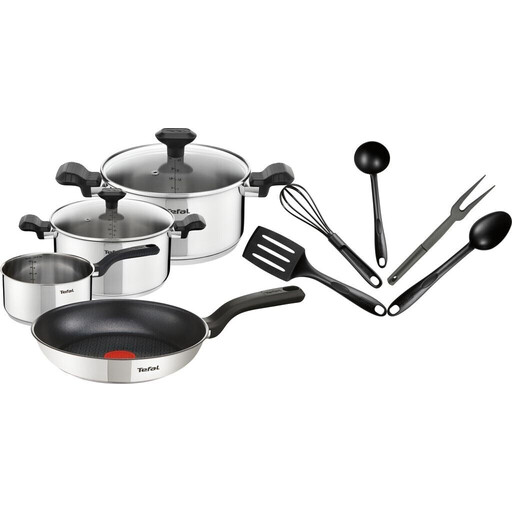
Why This Fits Their Persona: Ideal for a first kitchen or as a comprehensive upgrade. This set offers a solid stainless steel foundation, including useful kitchen tools, at an accessible price point without compromising on fundamental induction performance.
The thick, warp-resistant base ensures even heat distribution and avoids the inefficiency of cheaper alternatives. According to the manufacturer, the pan features Thermo-Spot technology, which indicates the optimal frying temperature.
Comprehensive 11-piece set with pots, a pan, and 5 kitchen utensils. Made from high-quality 18/10 stainless steel for durability.
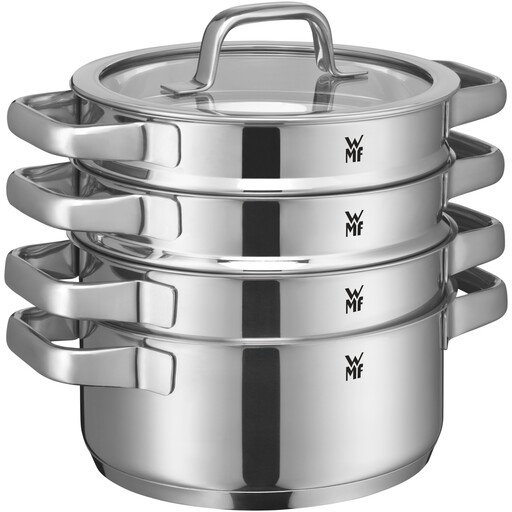
Why This Fits Their Persona: For chefs who value brand quality, durability, and thoughtful functionality, especially in limited space. This set from WMF is an investment in lasting culinary enjoyment and kitchen organisation.
The TransTherm universal base provides excellent, energy-efficient heat conduction. The Cromargan 18/10 stainless steel material is robust, easy to clean, and avoids the problems of short-lived coatings.
The cookware set is stackable, which saves up to 30% of cupboard space according to the manufacturer. Hollow handles reduce heat transfer and ensure safe handling.

Why This Fits Their Persona: Perfect for anyone seeking a versatile, large frying pan for induction without chemical coatings. The focus is on pure materials, longevity, and excellent heat control for health-conscious cooking.
As a scratch-resistant un-coated pan, it bypasses the issue of limited non-stick coating durability. The 3-ply construction (stainless steel-aluminium-stainless steel) ensures professional and even heat distribution.
High corrosion and scratch resistance, even when using metal utensils. The glass lid allows for visual monitoring of the cooking process.
The right equipment is half the battle for creating successful dishes. And don't forget the right accessories, like high-quality lids, to complete your cooking experience.
We have compiled a complete, up-to-date list of products that fully meet these strict selection criteria and German safety regulations.
1. How can I tell if a pot is truly suitable for induction? The official symbol for induction suitability is a stylised coil (several horizontal loops). A simple test is to hold a magnet to the pot's base. If it sticks, the material is ferromagnetic and therefore suitable for induction. A thick, heavy base is also a good indicator of high quality and good heat retention.
2. How do I properly care for stainless steel pots to prevent food from sticking? With un-coated stainless steel pots, the right technique is crucial. Use the "hot pan, cold oil" method: first, heat the pot or pan over medium heat. Only then add the oil, followed shortly by the food. This seals the metal's pores and minimises sticking. Rainbow-coloured discolouration or white spots can often be removed with a little vinegar or lemon juice.
3. Is a more expensive cookware set from brands like WMF or Zwilling worth the price? A higher initial investment in a brand-name set from manufacturers like WMF or Zwilling can pay off in the long run. The differences often lie in objective factors: greater material thickness, a more complex base construction for better heat conduction, a longer lifespan, thoughtful details like stackability or integrated measuring scales, and often longer warranty periods. These features contribute to a better cooking experience and greater durability.