
Lieferung heute & morgen

Qualitätsgarantie

Willkommens-Angebote freischalten: KOSTENLOSE Lieferung | Bis zu 80 % RABATT | Kostenlose 30-Tage-JoyPlus-Testphase
App herunterladen
Upgrading to an induction hob is a step towards greater efficiency and precision in the kitchen. However, that excitement can quickly fade when your newly purchased cookware doesn't deliver the expected performance. As your Joybuy Product Recommendation Officer, I'm here to help you navigate the common pitfalls and make an informed decision.
Many buyers invest in expensive cookware only to find that it heats unevenly, the coating peels off after just a few months, or the material is unsuitable for their cooking style. Before you make a purchase, you should be aware of the following points.
Common Pitfalls When Buying Induction Cookware:
To avoid these problems, you should focus on a few crucial technical features. These determine whether your cookware will perform efficiently and durably on your induction hob.
An induction hob generates a magnetic field that directly heats the base of the cookware. For this to work, the base must be ferromagnetic.
Every material has specific pros and cons. The right choice depends on what and how you cook.
Instead of presenting an overwhelming list, we've selected products that meet specific needs and purposefully avoid the pitfalls mentioned earlier.
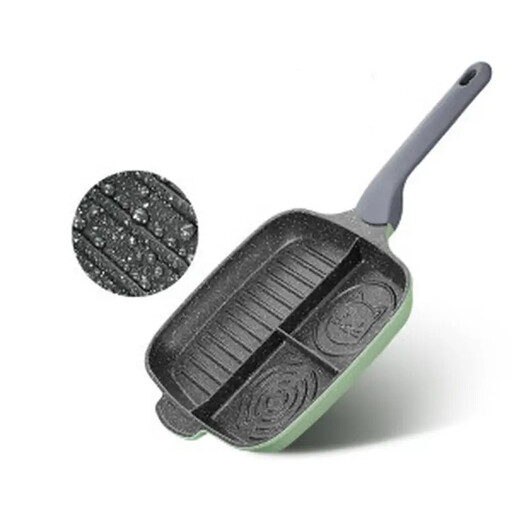
Why it's a great fit: Perfect for quick and organised meals like breakfast. The three compartments allow you to cook fried eggs, bacon, and small pancakes simultaneously, saving time during hectic family mornings.
The "Bamboo Lime Stone" non-stick coating is designed for daily use and is more durable than basic coatings. The base ensures even heat distribution on all hobs, including induction.
The 3-compartment design maximises efficiency, allowing you to cook a complete meal in a single pan.
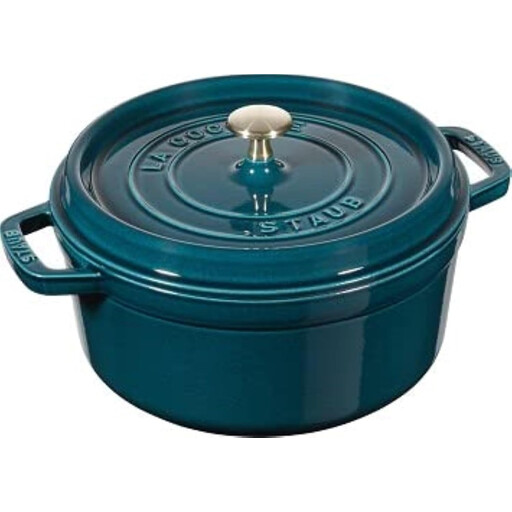
Why it's a great fit: For home chefs who value perfect searing results and slow, succulent braising. Ideal for Sunday roasts, goulash, or even baking bread.
This braiser is a prime example of being "induction-optimised." The solid cast iron provides unparalleled even heat distribution and retention, sidestepping the poor performance trap.
The lid, with its special drip-structure, ensures the food is continuously basted, keeping meat and vegetables exceptionally moist.
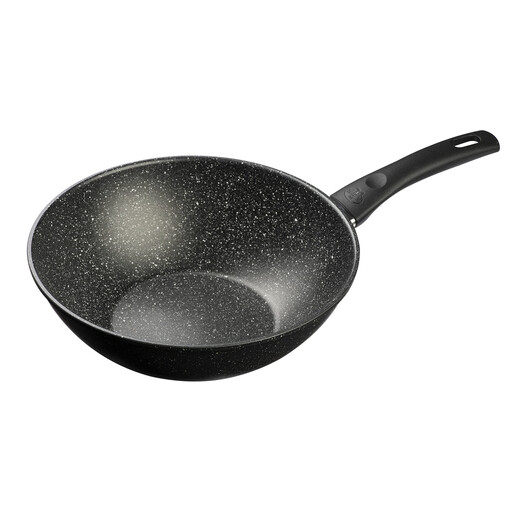
Why it's a great fit: For fans of wok-based dishes who need a pan that heats up quickly and evenly on induction hobs—including up the sides. Ideal for rapidly stir-frying vegetables and meat.
The patented bimetallic base with "Radiant Induction Technology" was specifically developed for fast and even heat distribution on induction hobs. This solves the problem many woks have of getting hot at the base but staying cold on the sides.
The four-layer Nerolite non-stick coating is scratch-resistant and prevents ingredients from sticking, while the ergonomic handle stays cool even during extended use.
We have compiled a complete, up-to-date list of products that meet these strict selection criteria and safety requirements.
1. How can I tell if my old cookware is suitable for induction? The easiest way is the magnet test: hold a magnet to the base of the pot or pan. If the magnet sticks firmly, the base is ferromagnetic and should work on an induction hob. Additionally, many induction-compatible products feature a symbol resembling a coil or a lightning bolt on the base or packaging.
2. How long does a good non-stick induction pan last? The lifespan heavily depends on the quality of the coating and how it's cared for. High-quality ceramic pans or pans with multi-layer, particle-reinforced coatings can last for several years with proper handling. Key care tips include: avoid using metal utensils, do not overheat the pan when empty, and preferably clean it by hand with a soft sponge.
3. Does cooking on an induction hob use more electricity with the wrong pot? Yes. If the pot's ferromagnetic base is significantly smaller than the cooking zone or the material is only weakly magnetic, the hob cannot transfer energy efficiently. This leads to longer heating times and higher electricity consumption. A suitable, high-quality pot base will therefore save on energy costs in the long run.