
Lieferung heute & morgen

Qualitätsgarantie

Willkommens-Angebote freischalten: KOSTENLOSE Lieferung | Bis zu 80 % RABATT | Kostenlose 30-Tage-JoyPlus-Testphase
App herunterladen
Purchasing a new cookware set for an induction hob can quickly become overwhelming. The market is filled with promises of rapid heating and long-lasting durability. However, not every set advertised as "induction-compatible" delivers on its promise. Before you make a decision, it's crucial to understand the common pitfalls that can lead to a frustrating cooking experience.
Some pots and pans heat up slowly or unevenly on induction hobs, leading to wasted energy and unsatisfactory results. Other sets boast robust non-stick coatings that begin to wear off after just a few months. Often, large sets consist of many small, impractical items instead of solid, everyday pots and pans. This guide will help you navigate these issues and make an informed choice.
To ensure your new cookware set meets the demands of an induction hob, you should focus on three fundamental technical features. These determine the performance, longevity, and safety of your pots and pans.
The most important feature of an induction cookware set is its base. An induction hob generates a magnetic field that transfers energy directly into the bottom of the pot. For this to work, the base must be ferromagnetic.
The choice of material affects cooking performance as well as the care and lifespan of the cookware.
A good induction pot set should be tailored to your cooking habits. Consider which sizes and types of pots and pans you truly need for everyday use.
Instead of making a one-size-fits-all recommendation, we have selected products tailored to specific needs and household sizes.
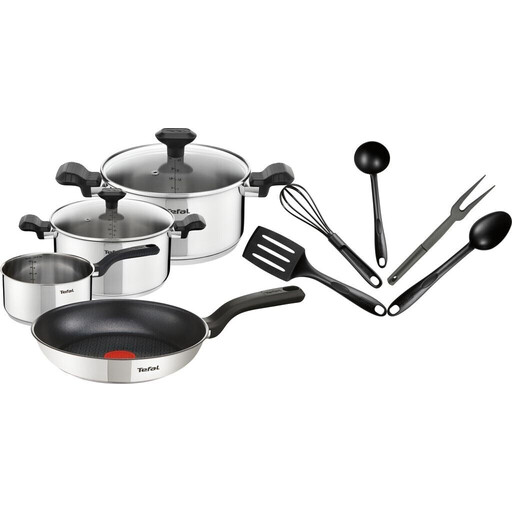
Why it fits this profile: This set provides a complete starter kit for a first kitchen. With pots, a pan, and essential kitchen tools, it covers all daily cooking needs without requiring additional purchases.
The set avoids the trap of impractical compositions by offering a sensible selection of pot sizes and useful tools. Its suitability for all hob types, including induction, is ensured by the thick, warp-resistant base.
Comprehensive 11-piece set made of stainless steel. The pan features Thermo-Spot technology, which the manufacturer claims indicates the optimal frying temperature.
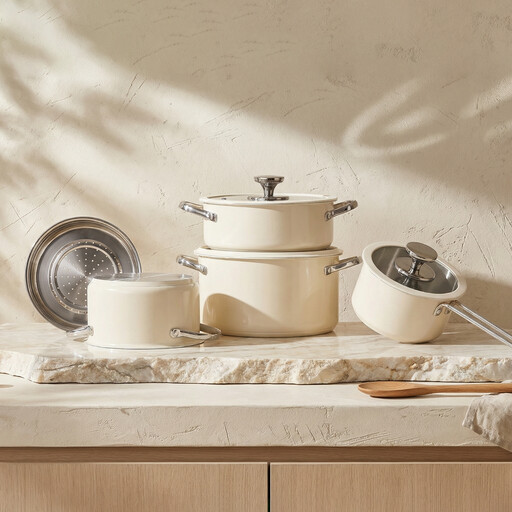
Why it fits this profile: For families who value durable and food-safe materials. This set focuses on the essentials: four pots in various sizes for daily meal preparation, from rice pudding to stews.
This set bypasses the pitfall of short-lived non-stick coatings, as the cooking surface is made of pure 304 stainless steel. This material is known for its robustness and food-safe properties, and it does not release harmful substances when heated.
The 304 stainless steel interior is corrosion-resistant and heat-stable. The set includes four pots (1.5 L, 2 L, 2.5 L, 5 L), including a steamer insert for gentle cooking.
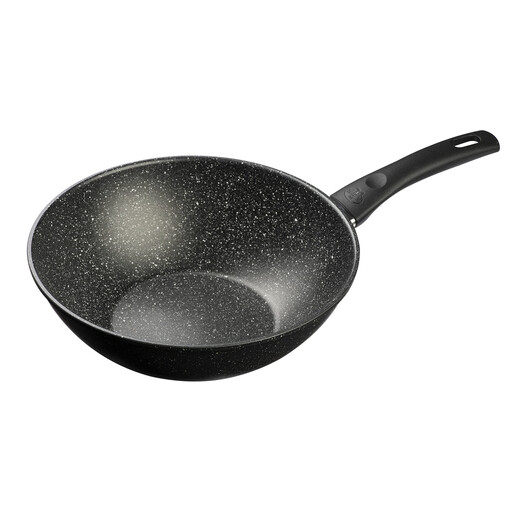
Why it fits this profile: For home cooks looking for a specialised tool for a specific cooking method. This wok is designed for the quick, high-heat searing of vegetables and meat, as is common in Asian cuisine.
It addresses the pitfall of poor induction performance with a patented bimetallic base that, according to the manufacturer, ensures exceptionally fast and even heat distribution. The specific 4-layer non-stick coating is more precise than vague marketing promises.
Special base construction for induction hobs. The scratch-resistant Nerolite non-stick coating allows for low-fat cooking. The ergonomic handle is claimed to stay cool even during prolonged use.
While this guide focuses on induction, we have curated a comprehensive selection of cookware to suit other needs and hob types.
How can I tell if my cookware is induction-compatible? The easiest way is the magnet test: hold a magnet to the bottom of the pot or pan. If it sticks, the material is magnetic and therefore suitable for induction. Additionally, most induction-ready products have a symbol resembling a coil or loop on the base or packaging.
How do I properly care for non-stick cookware? To extend the life of a non-stick coating, you should avoid using metal utensils. Instead, opt for tools made of wood, silicone, or plastic. Clean the pan by hand with a soft sponge and mild washing-up liquid. Dishwasher cleaning can damage the coating due to harsh salts and high temperatures. Also, avoid overheating the empty pan.
Is cooking with stainless steel cookware complicated? Cooking with stainless steel requires a slight learning curve, but it isn't complicated. The key is proper preheating: heat the pot or pan over medium heat, then add oil or fat. Once the fat is hot (it will shimmer or form small streaks), you can add your food. This creates a natural non-stick barrier. For stuck-on food, soaking with water and a bit of vinegar or baking soda can help.