
Lieferung heute & morgen

Qualitätsgarantie

Willkommens-Angebote freischalten: KOSTENLOSE Lieferung | Bis zu 80 % RABATT | Kostenlose 30-Tage-JoyPlus-Testphase
App herunterladen
The selection of electric cooking appliances is vast, ranging from compact mini-cookers for student flats to fully-equipped freestanding ranges for the family kitchen. But with this variety comes an increased risk of making a choice that doesn't fit your actual needs. Often, well-intentioned marketing promises or overlooked technical details lead to frustration and unnecessary expense. As your Joybuy Product Recommendation Officer, I'll help you understand the crucial criteria and make an informed choice.
Before we turn to the solutions, it's important to know the typical stumbling blocks that often only become apparent after the purchase.
To avoid a bad buy, you should focus on a few critical technical features. These determine the performance, safety, and longevity of your appliance.
The choice of hob technology is one of the most fundamental decisions.
The quality of the materials used is crucial for functionality and safety.
The electrical power determines how quickly an appliance heats up.
Instead of presenting an overwhelming list, we have selected appliances that meet specific needs and avoid the pitfalls mentioned.

Why it's a great fit: With a 1.6-litre capacity and compact dimensions, this electric cooking pot is ideal for student dorms, small kitchens, or the office. It is designed for simple dishes like noodles, soups, or stews and only requires a standard wall socket.
This device doesn't promise to be an "all-in-one" wonder. It is a specialised, portable cooker for simple cooking tasks, thus bypassing the problem of improper use and complex installation requirements.
Features boil-dry protection and an automatic shut-off, which increases safety in busy living situations. The non-stick coating simplifies cleaning.
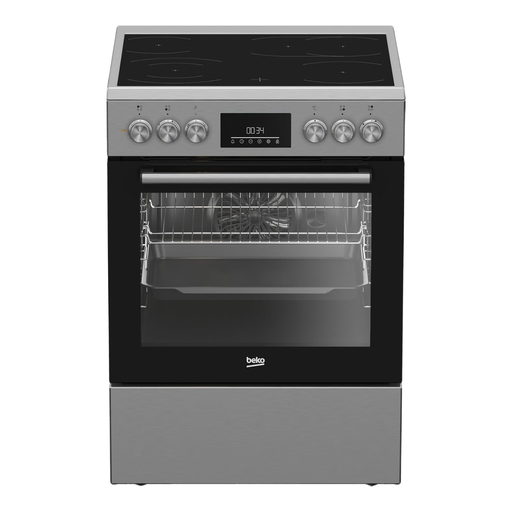
Why it's a great fit: This freestanding electric cooker offers ample capacity for family meals with its 72-litre oven and a flexible ceramic hob featuring a roaster and dual-circuit zone. The 8 heating modes cover all common baking and cooking needs.
As a dedicated freestanding cooker, it is designed for heavy-duty use and makes no compromises on performance. The need for a high-power connection is expected for an appliance in this category and is clearly communicated.
The SteamShine cleaning function uses water vapour to loosen grime in the oven. This significantly simplifies maintenance and reduces the need for chemical cleaning agents.

Why it's a great fit: This built-in hob leverages the efficiency of induction technology. It is ideal for users looking to modernise their kitchen and who value fast, precise cooking and a sleek design. The touch control panel underscores its modern character.
The hob focuses on core functions like the Boost feature for rapid heating and precise power levels, rather than on rarely used smart features. It offers high performance without unnecessary complexity.
The Boost function on all four zones allows for extremely rapid heating of liquids. The precise touch control with 9 power levels enables accurate temperature management.
We've compiled a complete, up-to-date list of products that fully meet these strict selection criteria and UK safety regulations.
1. What is the difference in energy consumption between an induction hob and a ceramic hob? An induction hob is generally more energy-efficient than a ceramic hob. Because the energy is transferred directly to the base of the pot and the hob itself barely heats up, less heat is lost to the surroundings. According to various studies, this can lead to energy savings of 20% to 30% compared to ceramic.
2. Can I use a multicooker as a complete replacement for a stove? For individuals or in situations with limited space, a high-quality multicooker can take on many tasks of a stove, especially boiling, stewing, and steaming. However, it is not a full replacement. The capacity is limited, and preparing multiple dishes simultaneously is not possible. Additionally, many models do not reach the high temperatures required for searing or using a wok.
3. How do I properly care for the non-stick coating on my electric cooking pot? To maximise the lifespan of the coating, you should only use cooking utensils made of wood, silicone, or heat-resistant plastic. Clean the pot by hand with a soft sponge and mild washing-up liquid after it has cooled down. Avoid abrasive cleaners or steel wool. Never operate the pot empty on high heat, as this can damage the coating.