
Lieferung heute & morgen

Qualitätsgarantie

Willkommens-Angebote freischalten: KOSTENLOSE Lieferung | Bis zu 80 % RABATT | Kostenlose 30-Tage-JoyPlus-Testphase
App herunterladen
Buying a new induction frying pan might seem straightforward, but the reality is often quite different. Many users find that the heavily advertised non-stick performance quickly fades, food cooks unevenly, or the base of the pan warps. As a Joybuy Product Recommendation Officer, I'm here to filter through the noise and provide the essential information you need, ensuring your next induction pan is a smart, long-lasting addition to your kitchen.
This guide focuses on the crucial, often-overlooked features and shows you how to avoid common purchasing pitfalls.
Marketing promises often sound tempting, but the devil is in the details. Pay close attention to these three points to avoid disappointment:
To avoid these issues, you should check three technical aspects before buying. These factors are crucial in determining your pan's performance and lifespan.
The base is the most critical component of an induction pan. It must meet two criteria:
The choice of coating depends on your cooking habits and priorities.
Two features can significantly expand your pan's range of use:
Based on the criteria above, we have identified several products that are particularly well-suited for specific user profiles.
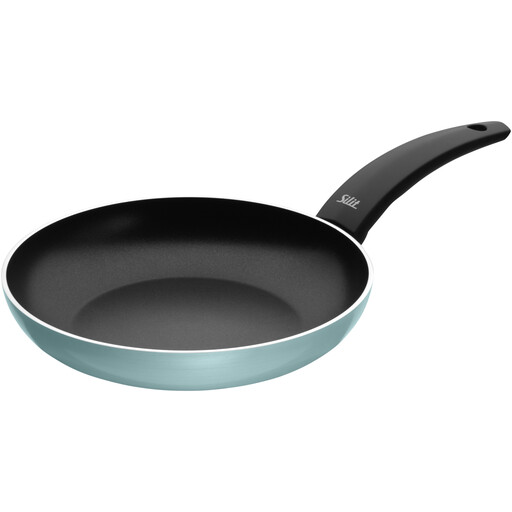
Why This Fits Their Persona: Ideal for daily use. The 24 cm size is versatile for small to medium-sized households. The pan is lightweight, easy to handle, and designed for simple dishes like pancakes or a quick vegetable stir-fry.
The base construction, according to the manufacturer, ensures even heat retention and distribution, which counteracts the "hot spot" problem. The Silitan non-stick coating is designed for gentle frying.
Heats up quickly due to its aluminium body; suitable for all hob types, including induction; easy-to-clean surface for low-fat cooking.
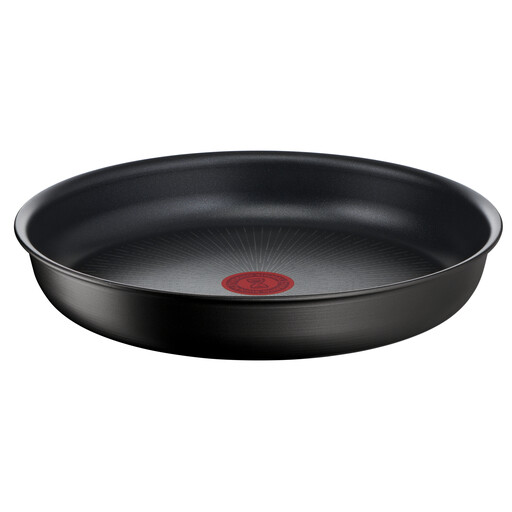
Why This Fits Their Persona: Perfect for kitchens with limited storage, for camping, or for anyone who values organisation. The detachable handle concept allows the pans to be stacked, saving a tremendous amount of cupboard space. The 28 cm pan is ideal for families.
Solves the problem of bulky storage. The Thermo-Fusion base is optimised for fast and even heat distribution on induction hobs. Without the handle, the pan is fully oven-safe up to 250°C.
Maximum space-saving thanks to stackability; versatile use (hob, oven, fridge, table); Thermo-Signal indicates the optimal frying temperature.
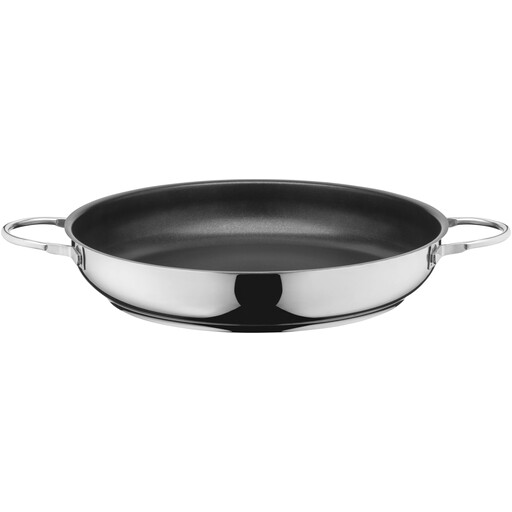
Why This Fits Their Persona: This large sauté pan, with a 32 cm diameter, is designed for preparing larger quantities. It is excellent for dishes that are first seared on the hob and then finished in the oven. The side handles save space on the hob and in the cupboard.
The robust stainless steel body and the SiliTherm universal base withstand high temperatures and prevent warping. The pan is oven-safe up to 260°C, making it a true oven-safe pan with no compromises.
Large capacity; high heat resistance for use in the oven; durable stainless steel and optimal heat retention for energy-efficient cooking.
We have compiled a complete, up-to-date list of products that fully meet these strict selection criteria and rigorous safety standards.
Look for a thick, completely flat base that is magnetic. A solid, firmly riveted or screwed-on handle is also a sign of quality. Check the manufacturer's specifications for material (e.g., 18/10 stainless steel), coating, and heat resistance.
To maximise the coating's lifespan, never heat the pan empty on the highest setting. Use wooden, silicone, or plastic utensils. Hand washing with a soft sponge and mild washing-up liquid is gentler than the dishwasher, even if many models are declared dishwasher-safe. Let the pan cool down before washing to prevent warping.
No. The maximum heat resistance is often limited by the handle material. A pan with a plastic or Bakelite handle is usually only oven-safe up to about 70-180°C. Models with stainless steel handles or a pan with a detachable handle are typically suitable for temperatures of 250°C or higher. Always check the manufacturer's exact specifications.