
Lieferung heute & morgen

Qualitätsgarantie

Willkommens-Angebote freischalten: KOSTENLOSE Lieferung | Bis zu 80 % RABATT | Kostenlose 30-Tage-JoyPlus-Testphase
App herunterladen
Choosing the right induction frying pan can be a challenge given the wide variety of materials and features available. An induction hob requires cookware with a ferromagnetic base to function efficiently, but the differences don't stop there. Whether you want to sear, cook gently, or need a versatile tool for everyday use, the pan's material and construction are crucial for the final cooking result.
This guide is designed to provide you with clear direction. We will introduce different types of pans suitable for induction cooktops and explain their specific advantages. Our goal is to give you a solid basis for making an informed decision so you can find the perfect cookware for your kitchen.
Before you make a decision, several fundamental criteria should be considered. These will help you find a pan that is not only compatible with your hob but also suits your cooking habits.
The material significantly determines a pan's cooking properties and maintenance requirements.
An oven-safe pan significantly expands your culinary options. You can start a dish on the hob (e.g., searing a steak) and then finish it in the oven or keep it warm. Pay attention to the manufacturer's specifications regarding maximum heat resistance, especially for pans with plastic handles or coatings. Models with stainless steel or cast iron handles often have an advantage here.
Durable cookware is an investment that pays off. Features like a thick, warp-resistant base that doesn't deform even at high temperatures are essential for even heat distribution on induction hobs. Riveted handles are considered particularly sturdy and secure compared to screwed-on handles, which can loosen over time.
Here is a selection of pans that stand out for their material properties and suitability for specific cooking applications.
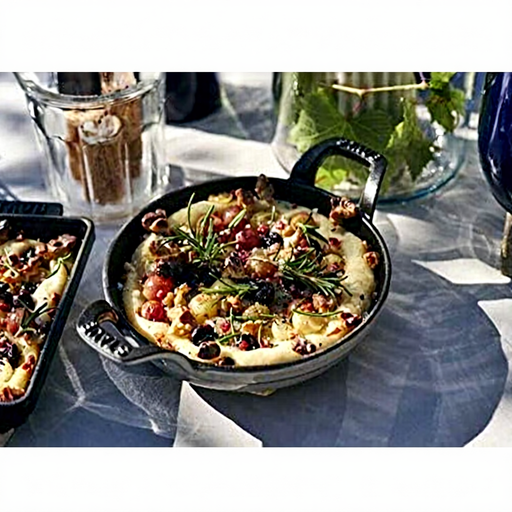
Why it stands out: This French-made pan of enameled cast iron combines traditional material benefits with modern convenience. The matte black enamel interior promotes browning and is highly durable. The pan is ready to use immediately and does not need to be seasoned.
Advantages:
Who it's for: Users looking for a compact and versatile cast iron pan for braising, baking, and serving. Ideal for preparing single portions, side dishes, dips, or sauces.
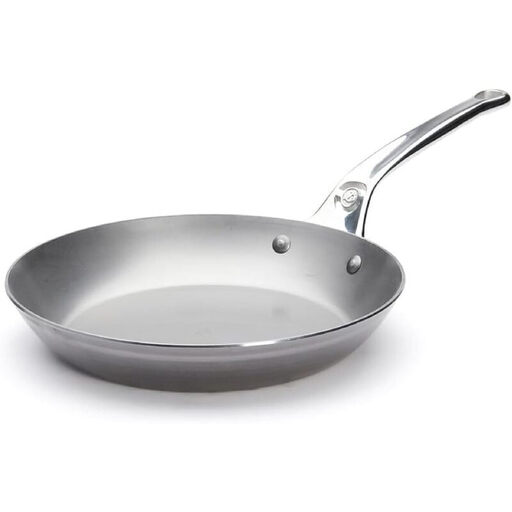
Why it stands out: This steel pan from deBuyer is a classic tool for ambitious home cooks. It is made of carbon steel and finished with a protective layer of organic beeswax. Through seasoning and regular use, it develops a natural non-stick patina that improves over time.
Advantages:
Who it's for: Cooks who are looking for a professional-grade frying pan and appreciate the characteristic searing properties of steel. It is intended for users who are willing to optimise the pan through proper care to achieve exceptional performance and longevity.
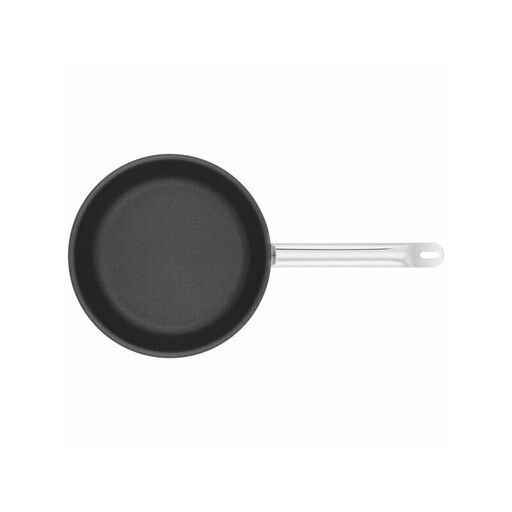
Why it stands out: The ZWILLING Pro pan combines the advantages of a multi-layer material with a high-quality non-stick coating. The 3-ply SIGMA Clad base with an aluminium core ensures fast and very even heat distribution right up to the rim.
Advantages:
Who it's for: Users who appreciate the convenience and reliability of a high-quality coated pan for daily use. It is ideal for delicate foods such as egg dishes, fish, or vegetables.
Steel pans offer a unique combination of heat responsiveness and durability that is valued by many chefs. If you want to explore the properties of this material further, you will find a wider selection of models in our category, suitable for various needs.
Explore our selection of carbon steel frying pans
Look for the induction symbol (a stylised coil) on the packaging or the bottom of the pan. A simple test is also helpful: hold a magnet to the base of the pan. If the magnet sticks firmly, the base is ferromagnetic and therefore suitable for induction hobs.
The main difference lies in heat conductivity and retention. A cast iron pan retains heat extremely well and releases it evenly, but it heats up more slowly. A steel pan (made of carbon steel) heats up very quickly and reacts promptly to temperature changes, allowing for precise control. However, it does not retain heat as long as cast iron. Both materials develop an excellent cooking surface with proper care.
To protect your non-stick pan, you should avoid using metal utensils and opt for wood or silicone instead. Do not heat the pan empty on the highest setting and do not clean it with abrasive sponges. Even though many pans are declared dishwasher-safe, hand washing is often recommended to preserve the coating in the long term.