
Lieferung heute & morgen

Qualitätsgarantie

Willkommens-Angebote freischalten: KOSTENLOSE Lieferung | Bis zu 80 % RABATT | Kostenlose 30-Tage-JoyPlus-Testphase
App herunterladen
Purchasing a new induction frying pan seems straightforward, but the reality is often different. Many home cooks invest in a model that loses performance, warps, or has its coating become useless after just a few months. The reason often lies in subtle defects and exaggerated marketing claims that aren't apparent at first glance. Before you make a decision, it's crucial to understand the most common pitfalls.
Choosing the right pan doesn't depend on marketing, but on verifiable technical parameters.
To make an informed decision, you should focus on three core aspects. These determine the longevity, energy efficiency, and quality of your cooking results.
The base is the most critical component of an induction frying pan. A high-quality base ensures fast and, above all, even heat conduction.
The choice between a coated and an uncoated pan is one of the most fundamental decisions.
The shape of the pan and the type of handles determine its versatility.
Instead of making a blanket recommendation, we have identified models that are tailored to clearly defined user profiles and avoid the pitfalls mentioned earlier.
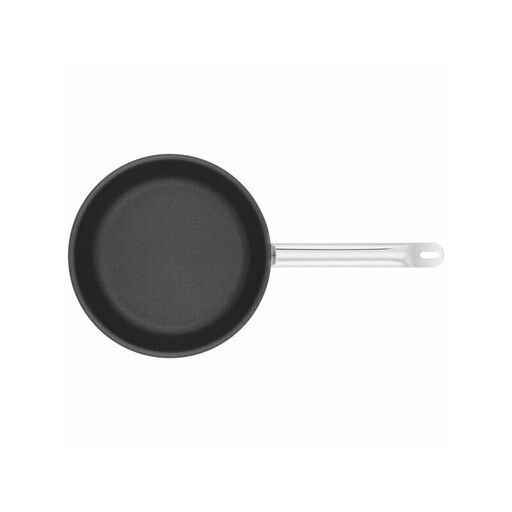
Why This Fits Their Persona: Ideal for discerning home cooks who want a versatile, low-maintenance pan for daily use, from fried eggs to fish fillets.
The Duraslide Ultra non-stick coating is, according to the manufacturer, particularly durable and abrasion-resistant. The 3-ply SIGMA Clad base ensures optimal heat distribution and prevents warping.
Even heat distribution right to the edge; oven-safe up to 230°C for flexible cooking methods.
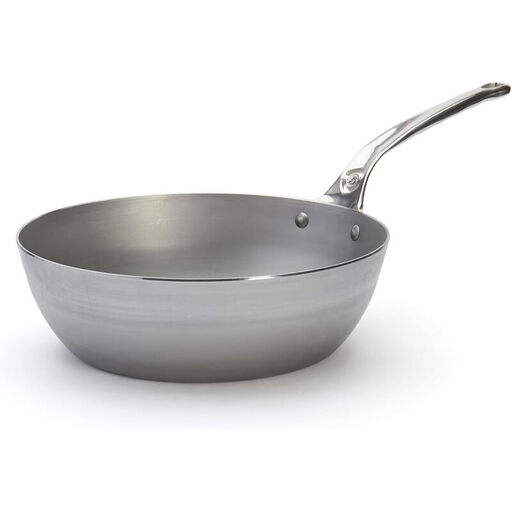
Why This Fits Their Persona: Perfect for cooks who value durability and maximum heat performance for searing steaks and other meats. This carbon steel pan is an investment for life.
This pan completely bypasses the short-lived coating trap by developing its own natural, non-stick patina through seasoning. Its solid steel construction is extremely resistant to warping.
Develops a natural non-stick effect over time without chemical coatings; excellent heat distribution and retention for perfect searing results.
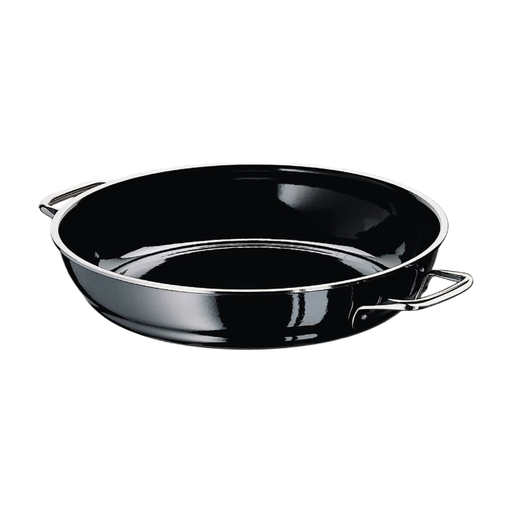
Why This Fits Their Persona: For anyone seeking a multifunctional pan that can go from the hob directly to the oven and then be elegantly served at the table. Ideal for smaller households or side dishes.
The TransTherm universal base, made of robust Cromargan stainless steel, is extremely warp-resistant and ensures efficient heat distribution, counteracting the poor induction performance trap.
Extremely versatile as both a frying pan and serving dish; oven-safe up to 250°C and space-saving in the cupboard and oven thanks to its two handles.
We have compiled a complete, up-to-date list of products that fully meet these strict selection criteria and the highest safety standards.
A simple but effective method is the magnet test: hold a magnet to the base of the pan. If it sticks strongly across the entire surface, the base is ferromagnetic and suitable for induction. Another quality indicator is the weight and thickness of the base. A solid, flat base made of a multi-ply material (e.g., stainless steel-aluminium-stainless steel) is a clear sign of a high-quality pan for induction.
Whether a pan is oven-safe depends on the material of the pan itself and, in particular, its handle. Pans made of stainless steel, cast iron, or carbon steel with handles of the same material can usually withstand high heat. For pans with plastic handles or special coatings, you must check the manufacturer's specifications for the maximum temperature resistance. This is often between 180°C and 250°C.
To preserve the non-stick properties for as long as possible, you should follow a few basic rules. Avoid using metal kitchen utensils and never cut directly in the pan. Never heat the pan empty on the highest setting. Even if many models are declared dishwasher-safe, gentle hand washing with a soft sponge and mild washing-up liquid is always the better choice to protect the coating.