
Lieferung heute & morgen

Qualitätsgarantie
App herunterladen
Kategorien
Selecting the right induction frying pan depends on key technical parameters that ensure efficient heat transfer and long-term durability. Unlike conventional hobs, an induction cooktop generates a magnetic field that creates heat directly in the base of the cookware. This process requires the pan's base to be made of a ferromagnetic material. The result is rapid, precisely controlled heat and superior energy efficiency. This guide breaks down the crucial criteria for choosing an induction pan and presents a curated selection of models with various specifications.
The performance of an induction pan is determined by the interplay of its material, base construction, and coating. An informed decision should consider the following technical aspects.
The base is the most critical component of a pan for all hob types, especially for induction. A high-quality induction base should be fully ferromagnetic across its entire surface to ensure maximum energy absorption and minimise disruptive buzzing sounds. The thickness of the base affects heat retention and warp resistance. A thicker base is more dimensionally stable and prevents the pan from warping at high temperatures.
The following products have been selected based on their technical specifications and intended use cases.
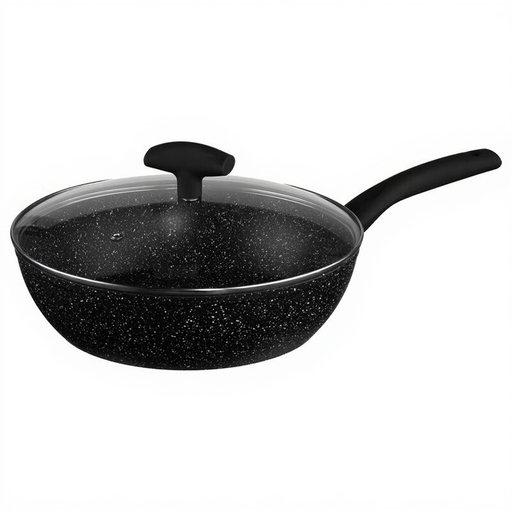
Why we recommend it: This model combines the benefits of forged aluminium with a thoughtful feature set. The included glass lid and 28 cm diameter make it a versatile all-rounder, also suitable as an induction sauté pan. Its design is focused on even heat distribution and user-friendly handling.
Pros:
Best for: Households looking for a versatile, medium-sized pan for daily use, from searing meat to steaming vegetables.
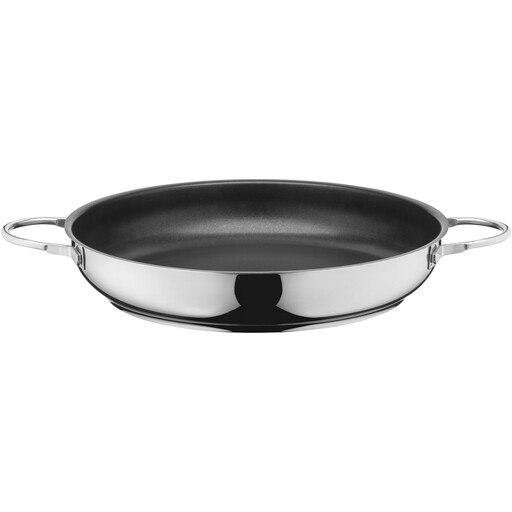
Why we recommend it: With its 32 cm diameter and robust stainless steel body, the Silit Calabria pan is built for durability and large-volume cooking. The combination of a resilient exterior and a practical non-stick interior makes it a highly functional serving pan. Its high heat resistance of up to 260°C also qualifies it as an oven-safe pan.
Pros:
Best for: Cooking enthusiasts and families who regularly prepare larger meals and need a pan that can go from the hob directly to the oven or table.
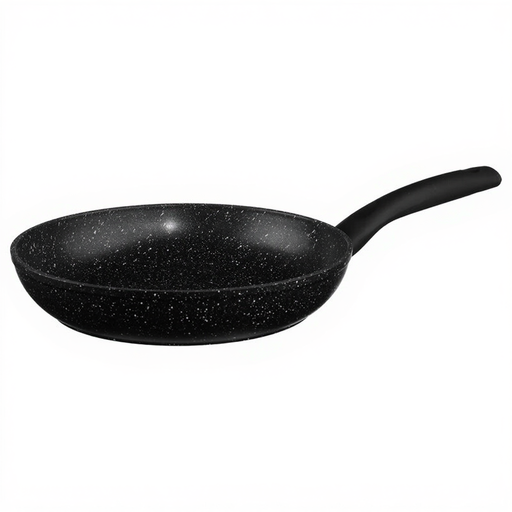
Why we recommend it: This 26 cm model is a compact and lightweight solution for smaller households or specific cooking tasks. Its forged aluminium construction, with a 2.2 mm body thickness and a reinforced 3 mm stainless steel base, is focused on delivering even heat distribution and stability.
Pros:
Best for: Individuals, couples, or as a supplementary pan for preparing side dishes, eggs, or smaller portions.
The models presented cover common user requirements. However, the range of induction pans includes a much wider variety of materials, sizes, and specialities, such as grill pans or crêpe pans. If the products analysed here do not exactly meet your needs, you can find a broader selection in our main Cookware & Frying Pans category.
1. How can I tell if a pan is suitable for induction? The easiest method is the magnet test: hold a magnet to the bottom of the pan. If it sticks, the pan is ferromagnetic and therefore suitable for induction. Additionally, induction-compatible pans usually feature a symbol on the base or packaging that looks like a coil.
2. What material is suitable for an induction pan? Essentially, any material with a magnetisable base is suitable. This naturally includes cast iron and magnetic stainless steel. Pans made of aluminium, copper, or non-magnetic stainless steel require a specially integrated or bonded base of ferromagnetic material to work on an induction cooktop.
3. How do I properly care for a non-stick pan? To maximise the lifespan of the coating, hand washing with a soft sponge and mild washing-up liquid is recommended. Avoid using metal utensils and abrasive cleaning sponges. Furthermore, the pan should not be heated on the highest setting while empty, as overheating can damage the coating.