
Lieferung heute & morgen

Qualitätsgarantie

Willkommens-Angebote freischalten: KOSTENLOSE Lieferung | Bis zu 80 % RABATT | Kostenlose 30-Tage-JoyPlus-Testphase
App herunterladen
Finding a new frying pan for your induction hob seems simple. But reality often looks different: the pan you just bought heats unevenly, your fried egg starts sticking after just a few weeks, and the handle restricts its use in the oven. As a Joybuy Product Recommendation Officer, I analyse product information and customer feedback daily. In doing so, I consistently notice the same costly pitfalls that consumers fall into. This guide will help you navigate them and make an informed decision.
Marketing promises can be misleading. Pay attention to these three points to avoid disappointment:
To find a suitable pan for induction, you should check three technical features before making a decision.
The base is the most critical component of an induction pan. It must meet two conditions:
The choice of coating depends on your cooking habits and personal preferences.
The right size and features make all the difference in daily use.
Based on these objective criteria, we have identified several models that are particularly well-suited for specific user profiles.
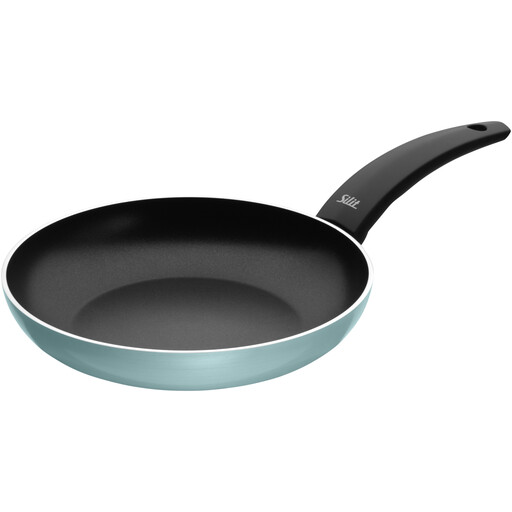
Why it's a good fit: Ideal for daily use. It's lightweight, heats up quickly, and the Silitan non-stick coating is designed for low-fat frying of eggs or vegetables. A straightforward and reliable tool without unnecessary extras.
The aluminium base construction ensures fast and, most importantly, even heat distribution. This counteracts the "induction-compatible" trap, where pans only get hot in the middle.
The low-maintenance PTFE non-stick coating (Silitan) and the lightweight aluminium body make daily handling and cleaning very convenient.
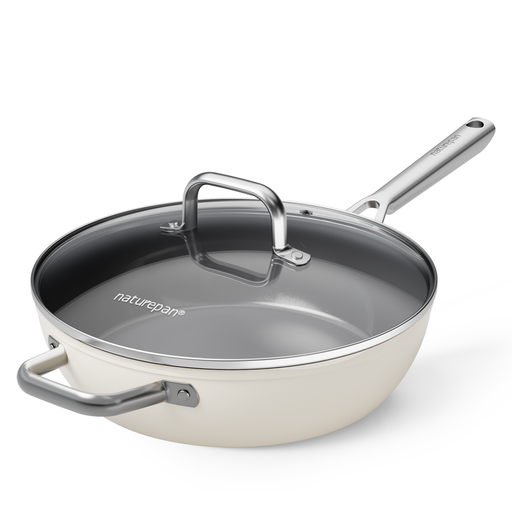
Why it's a good fit: For those who value materials and versatility. The ceramic coating, explicitly declared free of PTFE, PFOA, and PFAS, meets high health standards. Its high oven-safe temperature and included lid make it extremely versatile.
This model bypasses the myth of ambiguous non-stick coatings by offering a transparent, ceramic-based solution without the aforementioned chemicals. The reinforcement with diamond and titanium particles aims for greater durability.
High heat resistance (oven-safe up to 260°C) and a chemical-free ceramic coating for health-conscious cooking and maximum flexibility.
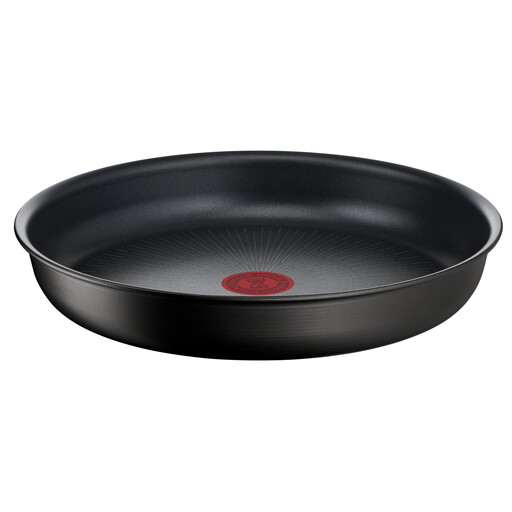
Why it's a good fit: The solution for kitchens with limited storage. The detachable handle (sold separately) allows for space-saving stacking of pans. It can move seamlessly from the hob to the oven and then to the fridge—maximum flexibility.
This system solves the pitfall of overlooked design details. Instead of a fixed, restrictive handle, it offers a fully oven-safe and stackable solution that maximises the pan's utility.
The detachable handle system allows for extremely space-saving storage and versatile use, from cooking and baking to serving.
We have compiled a complete, up-to-date list of products that fully meet these strict selection criteria and UK safety regulations.
You can identify a good induction pan by its thick, completely flat, and magnetic base, which ensures optimal heat distribution. Also, look for a high-quality non-stick coating suitable for your needs (e.g., PFOA-free) and practical features like an oven-safe or detachable handle.
To protect the coating, you should follow four rules:
A higher price often correlates with higher-quality materials (e.g., a complex multi-layer base), a more durable coating, and additional features like oven-safety or special design elements. For occasional use, a solid mid-range model may be sufficient. However, those who cook daily and value maximum durability and performance will benefit from investing in a premium model designed for more intensive use.