
Lieferung heute & morgen

Qualitätsgarantie

Willkommens-Angebote freischalten: KOSTENLOSE Lieferung | Bis zu 80 % RABATT | Kostenlose 30-Tage-JoyPlus-Testphase
App herunterladen
The search for the right induction frying pan can quickly become overwhelming. The market is filled with promises of durability, perfect cooking results, and health safety. However, not every pan advertised as "induction-compatible" delivers the desired performance in practice. Before you make a decision, it's helpful to know the most common pitfalls that lead to disappointment and unnecessary expense.
Common Pitfalls When Buying a Pan:
To avoid a bad purchase, you should check three core technical parameters. These determine the performance, longevity, and safety of your new pan.
The most important feature of an induction frying pan is its base. Look for the following properties:
The coating is crucial for low-fat cooking and easy cleaning. There are significant differences here:
The right pan adapts to your cooking habits, not the other way around.
Instead of making a blanket recommendation, we have identified models that meet specific requirements and avoid the pitfalls mentioned.
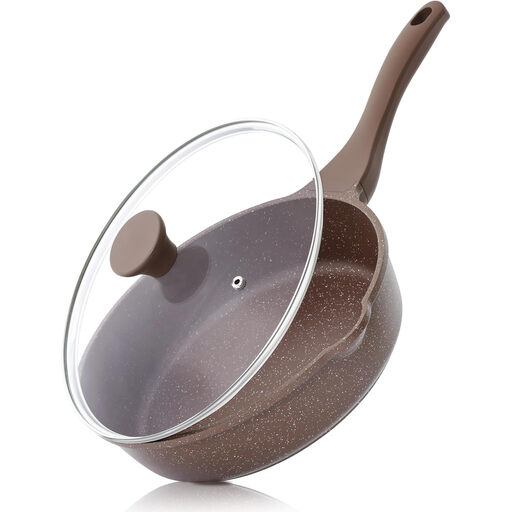
Why This Fits Their Persona: Ideal for daily use, from vegetable stir-fries to braised dishes. The high rim and included lid make it a versatile all-in-one solution for families or preparing larger meals.
The solid aluminium body and magnetic base ensure even heat distribution on induction hobs. The granite coating, declared PFOA-free, is robust and prevents rapid wear.
The high rim and large capacity (3.3 litres) make it a multifunctional sauté pan. The heat-insulating Bakelite handle stays cool during cooking.
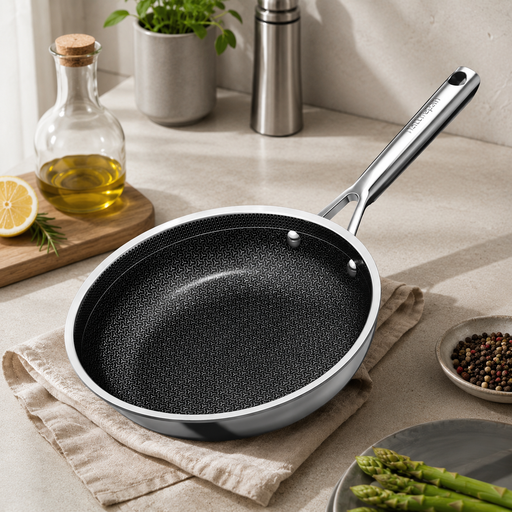
Why This Fits Their Persona: For cooks who value durability and precise searing results. Perfect for searing steaks and for dishes that are finished in the oven. An investment in cooking performance.
The 5-layer hybrid construction with a stainless steel core optimises induction performance. The laser-etched hexagonal surface protects the non-stick coating from scratches, thus bypassing typical rapid wear.
Combines the heat resistance and searing performance of stainless steel with the convenience of a non-stick surface. The pan is oven-safe up to 260°C and suitable for all hob types.
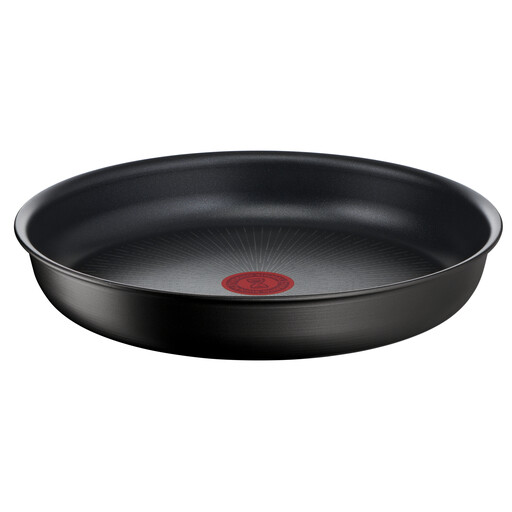
Why This Fits Their Persona: Perfect for kitchens with limited storage space or for anyone who appreciates a tidy, modular system. The detachable handle allows the pans to be stacked and used seamlessly from the hob to the oven and refrigerator.
Despite the modular design, there's no compromise on quality. The Thermo-Fusion base ensures efficient induction performance, and according to Tefal, the Titanium Anti-Scratch coating is exceptionally durable.
Maximum space-saving thanks to stackability. Highly versatile, as the pan is oven-safe up to 250°C without the handle. The Thermo-Signal indicates the optimal time to start cooking.
We have compiled a complete, up-to-date list of products that fully meet these strict selection criteria and the highest safety standards.
The easiest way is the magnet test. Hold a magnet to the bottom of the pan. If the magnet sticks firmly, the pan is ferromagnetic and therefore suitable for induction hobs. However, this doesn't say anything about the efficiency or evenness of heat distribution.
The most common causes are overheating, using metal utensils, and cleaning in the dishwasher. Heating the pan while empty on the highest setting can permanently damage the coating. Even if a pan is listed as dishwasher-safe, washing it by hand with a soft sponge is gentler on the non-stick layer and significantly extends its lifespan.
Yes, coatings based on pure ceramic (sol-gel process) are manufactured without PFOA (perfluorooctanoic acid). The term PFOA-free is still important, as it also applies to modern PTFE coatings where this chemical is omitted from the manufacturing process. When buying any coated pan, look for this explicit label.