
Lieferung heute & morgen

Qualitätsgarantie

Willkommens-Angebote freischalten: KOSTENLOSE Lieferung | Bis zu 80 % RABATT | Kostenlose 30-Tage-JoyPlus-Testphase
App herunterladen
A high-quality 28 cm induction frying pan is an essential tool in any modern kitchen. However, the market is flooded with models whose marketing promises often fail to deliver in practice. A pan that loses its non-stick properties after just a few months or cooks food unevenly is not only frustrating but also a wasted investment.
As your Joybuy Product Recommendation Officer, I'll help you identify the crucial features and avoid common purchasing pitfalls.
To avoid a bad purchase, you should focus on three verifiable technical parameters instead of marketing terms.
For a 28 cm induction pan, the base is the most critical component. An induction hob generates heat directly in the pan's base via a magnetic field. For this to happen efficiently and evenly, the base must meet two criteria:
A good non-stick pan makes low-fat cooking and cleaning easier. The PFOA-free pan label for PTFE coatings (often known by brand names like Teflon) has been legally required within the EU since 2020 and is therefore no longer a special quality feature. The decisive factors for longevity are:
An aluminium pan offers excellent thermal conductivity and low weight, making it comfortable for everyday use. Pay attention to the manufacturing method:
Here are some models that represent a considered choice for specific user profiles based on their objective features.
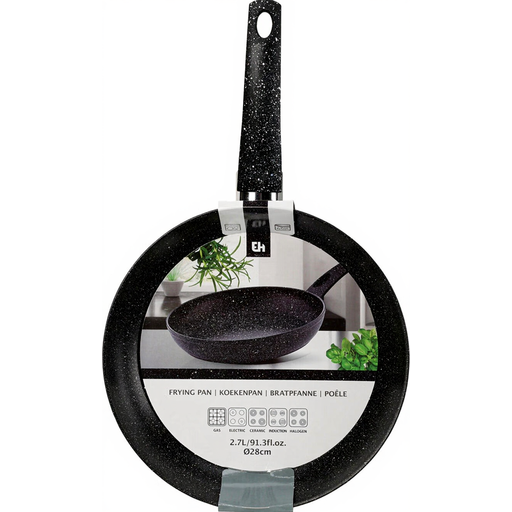
Why This Fits Their Persona: Ideal for daily cooking tasks like fried eggs, pancakes, or vegetables. This model offers solid performance for everyday use without straining the budget.
The body made of forged aluminium and the manufacturer-stated full-surface etched base are designed to ensure even heat distribution on induction hobs and prevent hot spots.
The granite non-stick coating is described as durable and is PFOA-free. The solid base thickness of 2.7 mm supports shape retention.
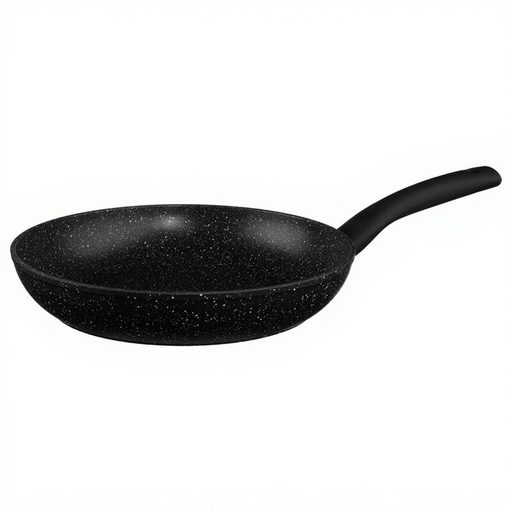
Why This Fits Their Persona: For home cooks who value appealing aesthetics but refuse to compromise on functionality. Suitable for more demanding dishes that require precise heat control.
The stone-effect non-stick coating is not just a design element but aims for enhanced durability and even cooking. This addresses the pitfall of fast-wearing standard coatings.
Combines a modern aesthetic with the benefits of forged aluminium for stable and even heat performance. The robust construction is designed for regular use.
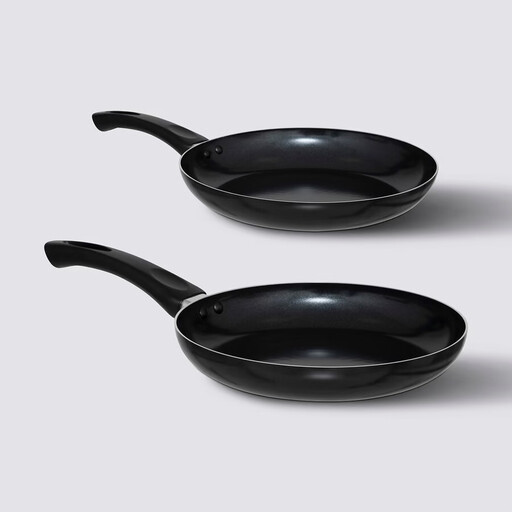
Why This Fits Their Persona: Offers an economical solution for households that cook frequently and need both a large 28 cm pan for main dishes and a smaller 24 cm pan for side dishes or smaller portions.
This set bypasses the "induction lottery" by providing two coordinated, induction-compatible models. Both pans are designed for all common hob types, offering a reliable basic setup.
Excellent value for money by providing two pans in the most common sizes. Compatibility with all hob types makes the set highly versatile.
We've compiled a complete, up-to-date list of products that fully meet these strict selection criteria and German safety regulations.
How can I tell if a pan is suitable for induction? The easiest way is the magnet test: hold a magnet to the bottom of the pan. If it sticks firmly, the base is ferromagnetic and suitable for induction. Additionally, most compatible pans have a symbol resembling a coil or lightning bolt on the base or packaging.
How do I extend the life of my non-stick pan? Proper care is crucial. Clean the pan by hand with a soft sponge and mild washing-up liquid; the aggressive salts in dishwasher tablets can damage the coating. Avoid using metal utensils. Never heat the pan empty on the highest setting and avoid sudden temperature changes (e.g., holding a hot pan under cold water) to prevent material warping.
Why is even heat distribution so important for an induction pan? An induction hob generates heat very quickly and in a concentrated manner. A thin or poorly constructed pan base cannot distribute this energy fast enough. This leads to local overheating (hot spots) where food burns while other areas of the pan remain cooler. A thick, highly conductive base ensures that the heat spreads evenly across the entire cooking surface, which is essential for controlled and successful cooking results.