
Lieferung heute & morgen

Qualitätsgarantie

Willkommens-Angebote freischalten: KOSTENLOSE Lieferung | Bis zu 80 % RABATT | Kostenlose 30-Tage-JoyPlus-Testphase
App herunterladen
A good frying pan is the heart of any kitchen. But when searching for an induction-ready frying pan, pitfalls await that can quickly turn a supposed investment into a costly mistake. Many products promise durability and perfect frying results, but reality often looks different. As your Joybuy Product Recommendation Officer, I'll help you distinguish marketing promises from genuine product features and find a pan that meets your everyday needs.
Before we dive into the important features, let's shed light on the typical problems that lead to frustration in the kitchen.
To avoid these pitfalls, you should check three core aspects before buying. These determine whether a pan will function reliably and last a long time on your induction hob.
For an induction frying pan, the base is the most critical component. Look for a fully ferromagnetic base. This ensures optimal energy transfer from the hob to the pan. A thick, warp-resistant base not only distributes heat evenly across the entire cooking surface but also prevents the pan from deforming at high temperatures. A good aluminium pan, for example, combines a lightweight body with a heavy stainless steel base plate to unite heat conductivity and induction suitability.
The material of the pan's body influences how quickly and evenly it heats up.
The size of the pan should match your hob and household size.
Instead of presenting an overwhelming list, we have selected models that meet specific user profiles and avoid the pitfalls mentioned above.
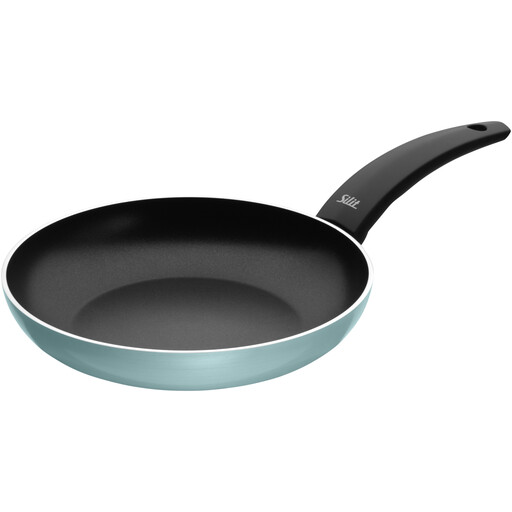
Why This Fits Their Persona: Ideal for one to two-person households looking for a reliable, low-maintenance pan for daily use. The 24 cm size is perfect for quick meals like scrambled eggs, pancakes, or searing vegetables.
The base construction is designed for even heat distribution on all hob types, including induction, thus bypassing the "induction bluff." The Silitan non-stick coating is known for its durability with proper care.
Lightweight aluminium body for easy handling. The coating allows for gentle, low-fat frying of delicate foods.
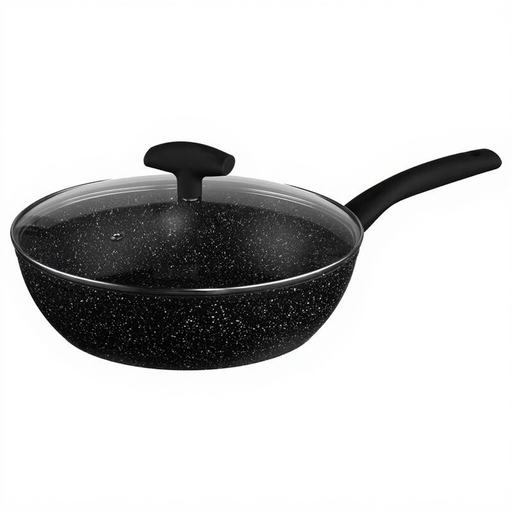
Why This Fits Their Persona: With a 28 cm diameter and a matching glass lid, this sauté pan is ideal for families or for cooking larger portions. It's perfect for one-pan meals, stews, or gently cooking fish and vegetables.
The robust forged aluminium body and the stainless steel induction base ensure stability and excellent heat distribution. This is not a flimsy all-purpose pan, but a solid piece of cookware for more demanding tasks.
The high rim and matching glass lid expand its use far beyond simple frying. The permanent non-stick coating simplifies cleaning.
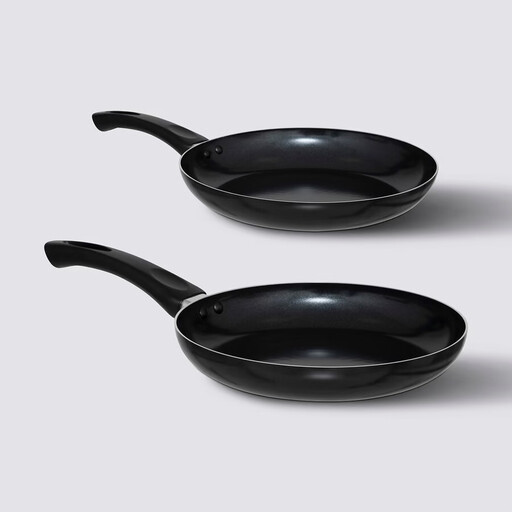
Why This Fits Their Persona: This induction pan set offers an excellent starter kit for a first apartment or for anyone looking to replace old equipment cost-effectively. With the two most common sizes, it covers most everyday cooking needs.
Unlike many no-name sets, both pans are explicitly designed for all hob types, including induction, and offer solid baseline performance. You get two functional sizes instead of paying for a single, overpriced pan.
Excellent value for money. The set offers flexibility for different dishes and portion sizes at an attractive price.
We have compiled a complete, up-to-date list of products that fully meet these strict selection criteria and German safety regulations.
1. How do I know if my old pan is induction-compatible? The easiest way is the magnet test. Hold a standard magnet to the bottom of the pan. If the magnet sticks firmly to the base, the pan is ferromagnetic and therefore suitable for induction hobs. If it sticks weakly or not at all, the pan will not work.
2. How do I properly care for a coated pan to extend its lifespan? Proper care is crucial. Avoid metal utensils and instead use tools made of wood, silicone, or plastic. Clean the pan by hand with a soft sponge and mild washing-up liquid; the aggressive cleaning in a dishwasher can damage the coating. Always let the pan cool down completely before bringing it into contact with cold water to avoid thermal shock and warping. Never heat the pan empty on the highest setting.
3. Is an induction pan set worth it? An induction pan set can be very cost-effective if you need multiple sizes. Make sure that all pans included in the set have a high-quality, full-surface induction base. Sometimes, with cheaper sets, corners are only cut on the smaller pans. A good set gives you the flexibility to have the right pan size on hand for any task, making cooking more efficient and enjoyable.