
Lieferung heute & morgen

Qualitätsgarantie

Willkommens-Angebote freischalten: KOSTENLOSE Lieferung | Bis zu 80 % RABATT | Kostenlose 30-Tage-JoyPlus-Testphase
App herunterladen
Switching to an induction hob promises fast, energy-efficient cooking. But the joy is often short-lived when the newly purchased induction frying pan doesn't deliver the expected performance. Many users find that their pan heats unevenly, the coating peels off after just a few months, or food sticks despite the "non-stick" promise.
As a Joybuy Product Recommendation Officer, I analyse product information and customer feedback daily. In doing so, I consistently notice three common pitfalls that lead to frustration and unnecessary expense. This guide will help you avoid them and make an informed decision.
To avoid a bad purchase, you shouldn't be guided by advertising promises, but rather pay attention to verifiable technical features.
For optimal performance on an induction hob, a full-surface, ferromagnetic base is essential. Unlike simple perforated plates, a solid, continuous base ensures:
Look for materials like cast aluminium with an integrated, full-surface induction base. This combination offers excellent thermal conductivity and dimensional stability.
Choosing the right non-stick induction pan depends on your cooking habits and personal preferences.
The most common size, a 28 cm pan, is a versatile choice for most households, offering enough space for dishes for two to four people. However, consider what you will primarily use the pan for:
Based on these objective criteria, we have identified some products that represent a suitable solution for different user profiles.
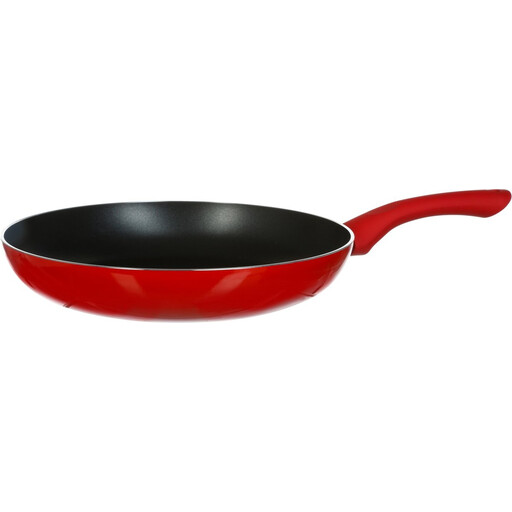
Why this model is a good fit: Ideal for anyone looking for a functional and straightforward basic pan for daily use on their new induction hob, without having to invest in high-priced specialty models.
The product bypasses the "Induction-Ready Bluff" with a clearly specified stainless steel induction base designed for all hob types, including induction, ensuring reliable performance.
Universal compatibility with all hob types and a two-layer non-stick coating for everyday use.
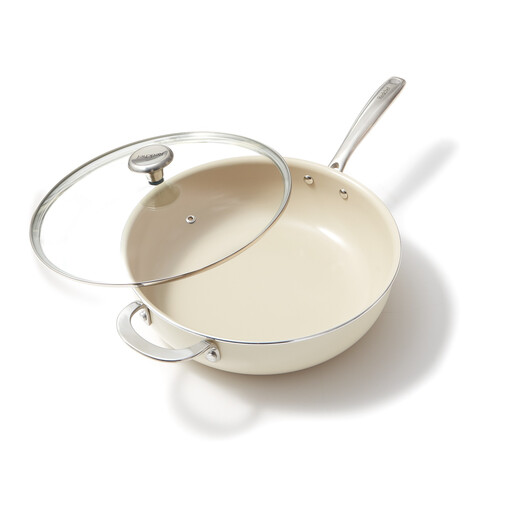
Why this model is a good fit: Perfect for users who value toxin-free materials and want a versatile pan that can go directly from the hob to the oven to finish or gratinate dishes.
Directly addresses concerns about hidden toxins, as the ceramic coating is certified by the manufacturer to be free of PFAS, PFOA, lead, and cadmium. Its high oven-safe temperature of up to 450°C avoids the trap of limited-use handles.
Toxin-free ceramic coating and exceptionally high oven-safe temperature, allowing for maximum cooking flexibility.
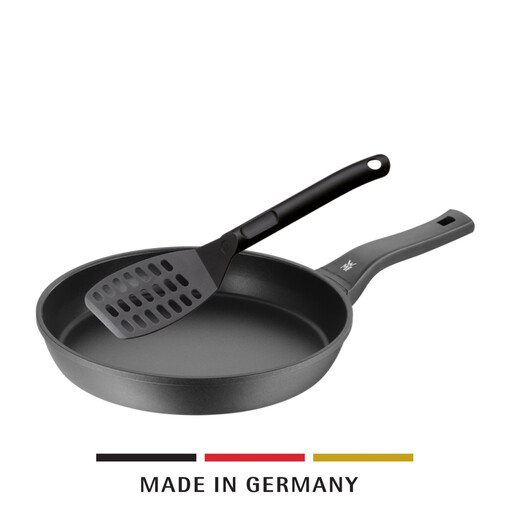
Why this model is a good fit: For those who cook daily and are looking for a durable, reliable pan from an established brand. The robust cast aluminium body ensures excellent heat retention and even cooking results.
Counteracts the problem of short-lived coatings with a solid cast aluminium body and a robust 3-layer non-stick coating. The manufacturer's 5-year warranty on material and non-stick properties underscores the commitment to quality.
Robust cast aluminium construction for durability and optimal heat distribution, combined with a multi-layer PermaDur non-stick coating.
We have compiled a complete, up-to-date list of products that meet these strict selection criteria and German safety regulations.
The easiest way is the magnet test. Hold a standard magnet to the bottom of the pan. If the magnet sticks firmly, the base is ferromagnetic and therefore suitable for an induction hob. If it doesn't stick, the pan will not work on induction.
To protect the coating, you should follow a few basic rules:
The pan itself does not scratch the hob. Scratches are almost always caused by small debris like salt or sugar crystals trapped between the pan's base and the hob. Therefore, wipe both the bottom of the pan and the surface of the hob with a clean, soft cloth before each use.