Joybuy Insights

Induction Frying Pan 2026: How to Avoid Bad Buys and Find the Right Model

Purchasing a new induction frying pan can quickly become a frustrating experience. The market is filled with models that promise high performance but often disappoint in practice: the base warps after just a few weeks, the advertised non-stick effect degrades rapidly, or the heat distributes so unevenly that food burns in some spots while remaining raw in others.

As your Joybuy Product Recommendation Officer, I'm here to help you navigate these common pitfalls. We will focus on the objective features that define a durable and functional induction pan, ensuring your next investment pays off in the long run.

The 3 Most Common Pitfalls When Buying an Induction Pan

Before we dive into key product features, let's debunk the marketing promises that often lead to poor purchasing decisions.

  1. The "Suitable-Only" Trap: Many pans bear the induction symbol but are not optimized for efficient performance. A base that is too thin or only partially magnetic leads to high energy consumption, slow heating, and uneven heat distribution. The result is an unsatisfying cooking experience.
  2. Short-Lived "Miracle" Coatings: Whether ceramic or titanium, many coatings lose their non-stick properties after a short time, especially with improper use or cleaning. A non-stick coated pan whose surface is scratched or dull after a few months has failed its purpose.
  3. Unstable Base Construction: One of the biggest weaknesses is a pan base that warps when heated. A warped pan no longer makes full contact with the cooktop. This interrupts the induction hob's magnetic circuit, leading to localized overheating and inefficient cooking.

What Really Matters: The Decisive Parameters

To avoid the problems mentioned above, you should check three core aspects before buying. These largely determine the performance and lifespan of your induction frying pan.

1. The Pan's Base: The Heart of Induction Performance

A ferromagnetic base is essential for induction cooktops. Look for a solid, multi-layered construction, often referred to as a "sandwich base." A typical high-quality composition consists of:

  • Outer Layer (facing the cooktop): Magnetizable stainless steel that absorbs energy from the induction field.
  • Core: A layer of aluminum or copper that ensures fast and very even heat conduction right up to the pan's rim.
  • Inner Layer (cooking surface): Usually stainless steel or the base for a coating.

A thick, dimensionally stable base prevents warping and guarantees optimal energy transfer.

2. The Coating: A Matter of Cooking Style and Care

The choice of surface depends on your cooking habits and willingness to perform maintenance.

  • PTFE Coating (often known as Teflon): This classic non-stick pan is ideal for delicate foods like eggs, fish, or pancakes. It allows for low-fat cooking and is very easy to clean. Modern coatings are PFOA-free by default. However, they are sensitive to overheating and metal utensils.
  • Ceramic Induction Pan: A coated frying pan with a ceramic surface is often harder and more heat-resistant than PTFE. It is well-suited for searing at high temperatures. However, its non-stick properties can diminish more quickly with improper care (e.g., cleaning in the dishwasher or using too much oil, which can burn on).
  • Uncoated Pan (Stainless Steel): A stainless steel induction pan is extremely durable, robust, and oven-safe. It is the top choice for searing meat to create intense roasted flavors. However, it requires some practice in managing temperature and fat to prevent sticking.

3. Size and Additional Features: Practical Helpers for Everyday Use

  • Size: A 28 cm pan is a versatile all-rounder for most households. Smaller (20-24 cm) or larger models (from 32 cm) are useful additions to your cookware collection.
  • Oven-Safe: Having an oven-safe pan significantly expands your culinary options (e.g., for gratins or finishing dishes in the oven). Look for handles made of stainless steel or other heat-resistant materials. Pans with plastic handles are usually only oven-safe up to low temperatures.
  • Pan Set: An induction pan set can be a cost-effective solution to cover multiple sizes for different needs right from the start.

Our Top Picks for Different Needs in 2026

Here are some models that represent a considered choice for specific user profiles, based on their objective features.
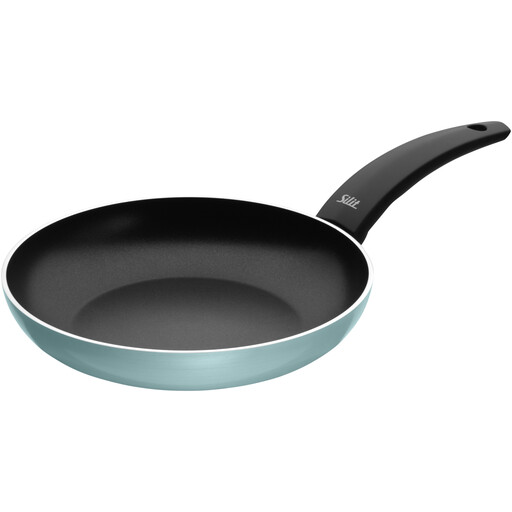
MATCH FOR: The Everyday Pragmatist
Silit Belluna Frying Pan, 24 cm

Silit Belluna Frying Pan, 24 cm, Induction

Why This Fits Their Persona: Ideal for daily use with simple dishes like fried eggs, pancakes, or sautéed vegetables. It's straightforward to handle and quick to clean.

How It Avoids the Trap

The aluminum body and base construction ensure fast, even heat distribution, counteracting the "suitable-only" trap. The Silitan non-stick coating is known for its durability with proper care.

Key Advantage & Pros

Good non-stick properties for low-fat cooking; lightweight design and easy cleaning; suitable for all hob types, including induction.

MATCH FOR: The Flexible Home Chef
Silit Calabria 2-piece Induction Pan Set

Silit Calabria 2-piece Induction Pan Set

Why This Fits Their Persona: This induction pan set covers the most common sizes with 24 cm and 28 cm pans. Being oven-safe allows for versatile cooking methods, from searing on the hob to finishing in the oven.

How It Avoids the Trap

The robust stainless steel exterior and the SiliTherm universal base prevent the base from warping. Its high heat resistance (up to 260°C) makes it a durable tool that won't be damaged by overheating.

Key Advantage & Pros

High versatility due to being oven-safe; durable stainless steel construction; set includes two practical sizes (24 cm and 28 cm).
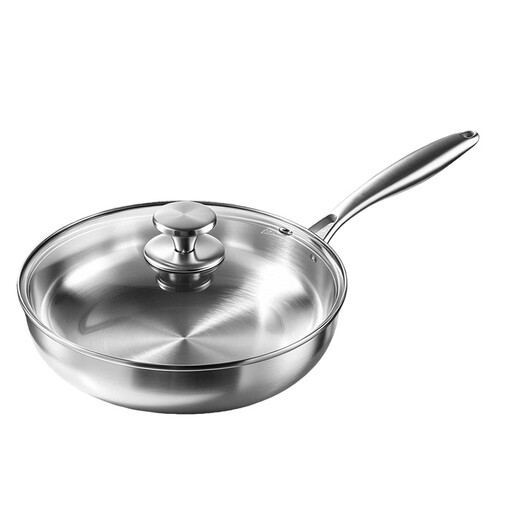
MATCH FOR: The Discerning & Experienced Cook
Maxcook Frying Pan uncoated φ22cm 304 Stainless Steel

Maxcook Uncoated Frying Pan φ22cm 304 Stainless Steel

Why This Fits Their Persona: This uncoated pan is for cooks who demand maximum control and longevity. It's perfect for searing steaks or for dishes where developing a fond for sauces is desired.

How It Avoids the Trap

As an uncoated pan, it completely bypasses the pitfall of short-lived coatings. The three-layer (Tri-Ply) construction ensures excellent heat distribution and dimensional stability, making it a purchase that will last for years.

Key Advantage & Pros

Extremely durable and robust; free of any chemical coatings; allows for high-temperature searing to develop intense roasted flavors.

Looking for more options?

We have compiled a complete, up-to-date list of products that fully meet these strict selection criteria and German safety regulations.

Frequently Asked Questions (FAQ)

How can I identify a good induction frying pan?

A simple magnet test works well: hold a magnet to the bottom of the pan. If it sticks firmly, the base is ferromagnetic. Also, look for a certain weight and a base thickness of at least 5 mm. These are indicators of a stable construction that is less likely to warp.

Why isn't my induction pan working correctly?

This can have several causes. The most common reason is that the diameter of the pan's base does not match the size of the cooking zone. If the base is too small, the hob may not detect it. If it's too large, only the area directly above the coil will be heated. Another reason could be a warped base that disrupts contact with the cooktop.

How do I care for a coated pan to make it last longer?

Avoid the four main mistakes:

  1. Overheating: Never heat the pan empty on the highest setting.
  2. Metal Utensils: Only use cooking utensils made of wood, silicone, or plastic.
  3. Abrasive Cleaning: Do not use steel wool or abrasive sponges. Hand washing is often gentler than the dishwasher.
  4. Thermal Shock: Never immerse a hot pan in cold water. Always let it cool down first.