
Lieferung heute & morgen

Qualitätsgarantie

Willkommens-Angebote freischalten: KOSTENLOSE Lieferung | Bis zu 80 % RABATT | Kostenlose 30-Tage-JoyPlus-Testphase
App herunterladen
Buying a new induction frying pan seems straightforward, but the reality is often different. Many buyers find that after just a few months, their heavily marketed pan wobbles, food sticks, or the heat is distributed unevenly. As a Joybuy Product Recommendation Officer, I analyse product data and customer feedback daily. In doing so, recurring problems emerge that lead to frustration and unnecessary expense. This guide shows you what really matters and how to avoid the common pitfalls.
Marketing promises often sound convincing, but the devil is in the details. Pay attention to these three critical points to avoid a bad purchase:
To prevent these problems, you should check three technical features before buying. These define the performance and longevity of your future pan.
The base is the most important component for performance on an induction hob. Look for the following constructions:
The choice of surface depends directly on your cooking habits.
The right size and shape are crucial for cooking convenience.
Based on objective product characteristics, we have identified several models that represent a well-thought-out solution for specific user profiles.
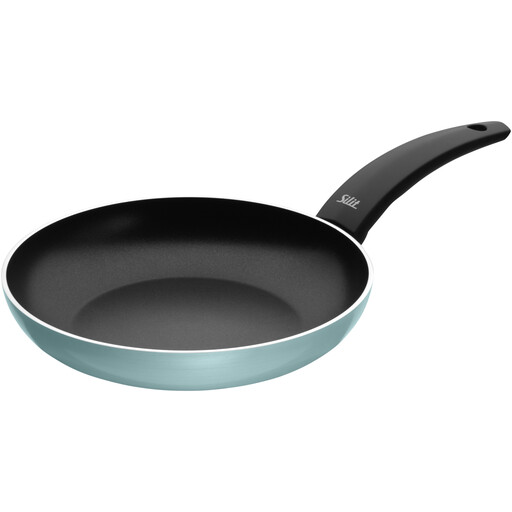
Why this model is a good fit: Ideal for those who want to cook gently and with minimal fat on a daily basis. Perfect for delicate foods like eggs, fish, or vegetables, where nothing should stick.
The PTFE non-stick coating (Silitan) is designed for durability, counteracting the problem of short-lived coatings. The base ensures even heat distribution and prevents localised overheating.
Excellent non-stick properties for low-fat frying and easy cleaning. According to the manufacturer, it comes with a 5-year warranty on material, workmanship, and non-stick capability.
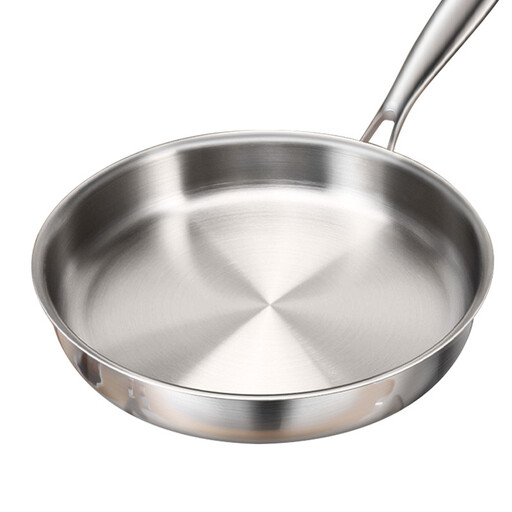
Why this model is a good fit: For anyone who wants to cook steaks and other meats with a perfect crust. The uncoated surface allows for high temperatures for a great sear.
The three-ply construction (stainless steel-aluminium-stainless steel) ensures high dimensional stability and prevents the base from warping. Heat is distributed quickly and evenly, avoiding inefficient "hot spots".
Extreme durability and heat resistance, as there is no coating to wear out. Scratch resistance allows for the use of metal utensils.
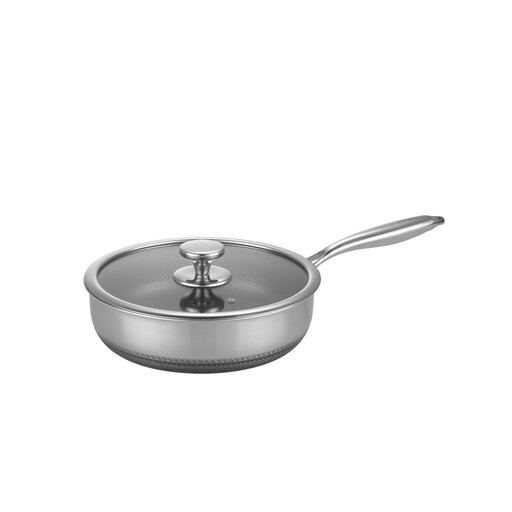
Why this model is a good fit: For users who want to combine the robustness of stainless steel with the convenience of a non-stick surface. Being oven-safe up to 260°C makes it extremely versatile.
The 3D honeycomb structure made of stainless steel protects the underlying non-stick coating from scratches by cooking utensils. This significantly extends the life of the non-stick property. The three-ply construction also prevents warping.
Combines the best of both worlds: searing at high heat is possible, while cleaning remains easy. Its high oven-safe temperature expands its use for braised dishes.
We have compiled a complete, continuously updated list of products that fully meet these strict selection criteria and German safety regulations.
You can recognise a high-quality induction pan by its thick, perfectly flat multi-ply base (often called a sandwich base) and the official induction symbol (a stylised coil). A heavier weight is also often an indicator of a solid, warp-resistant base that retains and distributes heat well.
The lifespan depends heavily on the quality of the coating and its care. With proper handling—avoiding overheating, using wooden or plastic utensils, and washing by hand—a high-quality coated pan can last for several years. Cheaper models often show significant wear in less than a year.
Yes, this is easily achievable with the right technique. The key is to preheat the pan correctly. Add a few drops of water to the empty pan as it heats up. When the droplets dance across the surface like beads without immediately evaporating, the correct temperature has been reached. Only then should you add oil, followed by the food. This creates a layer of steam that prevents sticking.