
Lieferung heute & morgen

Qualitätsgarantie

Willkommens-Angebote freischalten: KOSTENLOSE Lieferung | Bis zu 80 % RABATT | Kostenlose 30-Tage-JoyPlus-Testphase
App herunterladen
An induction frying pan needs to do more than simply react magnetically to the hob. Factors such as the base construction, handle, coating, temperature range and cleaning requirements are all important. If you focus solely on an eye-catching surface or marketing claims such as “scratch-resistant”, you may end up buying a pan that does not suit the way you cook every day.
This buying guide explains which features you should check before making a purchase and which models are suitable for different requirements.
The description frying pan for all hob types is only practically relevant if the base sits flat and is suitable for induction cooking. A magnetic base that is too small or uneven can reduce heat transfer. With an induction hob, the diameter of the pan should also match the cooking zone.
A non-stick frying pan makes it easier to fry delicate foods. However, “scratch-resistant” does not mean that every use with metal utensils or scouring sponges will leave it unscathed. Information about the maximum temperature, dishwasher suitability and use in the oven is more important than a promotional product name.
A heavy cast-iron frying pan retains heat, but is considerably less convenient to handle than an aluminium pan. A metal handle is often suitable for oven use, but can become hot on the hob. A plastic handle can make handling easier, but often limits oven suitability. These differences should match how you intend to use the pan.
An aluminium frying pan generally heats up quickly and is comparatively easy to move. According to the product information, the Silit Belluna 20 cm is made from coated aluminium and has a PTFE-based Silitan non-stick surface. It is designed for gas, electric, ceramic and induction hobs.
A stainless steel frying pan without a traditional non-stick coating is suitable for high temperatures and vigorous searing. Multi-layer constructions with an aluminium core can improve heat distribution. According to the product information, the PURECOOK Tri-Ply frying pan with a diameter of 20 cm has three layers of stainless steel and aluminium and is suitable for induction, gas, ceramic and halogen hobs. The stated oven temperature should be checked before purchase or use in the instructions.
Cast iron retains heat for longer. An enamelled cast-iron frying pan does not require traditional seasoning, but it remains heavy. Uncoated cast iron, on the other hand, requires thorough drying and, where necessary, regular oiling to prevent rust.
The right size depends on portions, your hob and available storage space:
According to the product information, the 20 cm Silit frying pan is intended for hobs with a diameter of approximately 14.5 cm. A 24 cm frying pan such as the ZWILLING Joy Plus offers more room for vegetables, meat or sauces, with a capacity of around 2.1 litres.
An oven-safe frying pan extends its use from the hob to the oven. Always check the temperature limit for the entire product, particularly the handle and any lid knob. “Oven-safe” does not automatically mean suitable for use under the grill.
A frying pan with a lid is practical for braising, reducing and keeping food warm. According to the product information, the 24 cm Tefal Renew Braising Pan comes with a glass lid. The ZWILLING Joy Plus is oven-safe up to 200 °C and dishwasher-safe according to the product description. Nevertheless, washing by hand with a soft sponge can help extend the life of the coating.
A dishwasher-safe frying pan can be put in the dishwasher, but it does not necessarily have to be cleaned this way every time. Allow hot pans to cool before rinsing them to prevent thermal stress.

Why this product suits the profile: The compact 20 cm size and comparatively low weight make it suitable for smaller households and straightforward everyday dishes.
The product information states that it is suitable for induction and other hob types, as well as specifying a compatible cooking-zone size. Its oven suitability is limited to up to 70 °C and should be planned for accordingly.
Coated aluminium, Silitan PTFE surface, plastic handle and, according to the product information, a five-year manufacturer’s warranty.
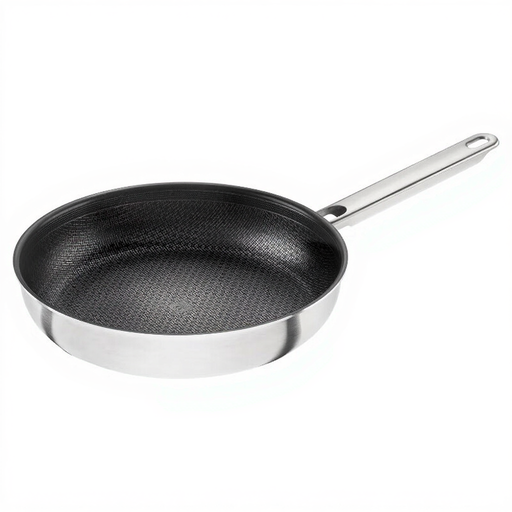
Why this product suits the profile: The 24 cm format, three-layer construction and stated oven and dishwasher suitability make it a good fit for versatile households.
The technical information states a maximum oven temperature of 200 °C, making the usage limit clear. Despite its stated scratch resistance, gentle cleaning is recommended.
18/10 stainless steel with an aluminium core, Permaresist Ultra PTFE coating, stainless steel handle and a wide pouring rim.
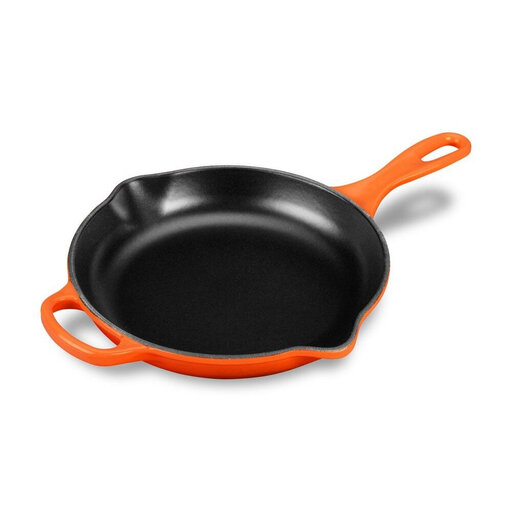
Why this product suits the profile: If you often sear, braise and serve food straight at the table, this enamelled pan offers two ways to hold it.
The weight of 1.93 kg and the material type are clearly stated. This allows you to assess in advance whether the pan is suitable for frequent moving.
Enamelled cast iron, suitable for induction and other hob types, oven-safe and, according to the product information, dishwasher-safe.
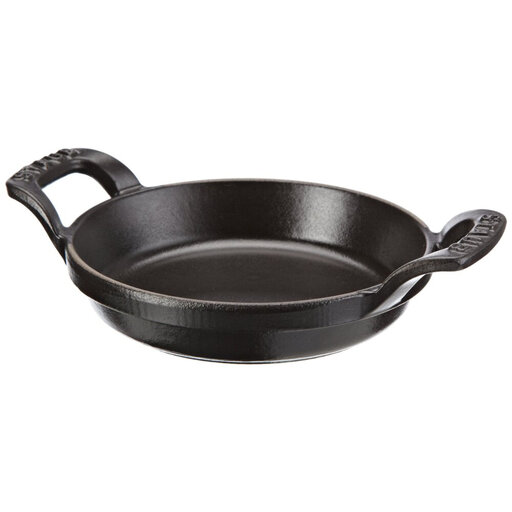
Why this product suits the profile: Its compact design and 0.25-litre capacity are intended for individual portions, side dishes and serving.
The small size prevents a large pan from taking up unnecessary space and using excess energy when preparing small quantities. The stated oven suitability up to 230 °C should be taken into account.
Enamelled cast iron, suitable for induction, two handles and, according to the product information, dishwasher-safe.
We have compiled a complete, regularly updated list of products that fully meet these strict selection criteria and the safety regulations applicable in the EU.
For regular frying, 20 to 24 cm are practical sizes for many households. A coated aluminium or stainless steel frying pan is usually easier to handle than cast iron. If you often braise food or continue cooking in the oven, you should also check the oven suitability and whether a lid is included.
The service life depends on temperature, utensils, cleaning and frequency of use. Overheating, heating the pan while empty, metal utensils and abrasive cleaners can damage the surface prematurely. A specific guarantee or manufacturer’s promise is therefore more meaningful than a general statement about durability.
Generally, yes, provided the manufacturer states that it is suitable for induction and the base sits flat. However, the material is heavy and responds more slowly to changes in temperature. Uncoated cast iron also requires more care than an enamelled or non-stick frying pan.