
Lieferung heute & morgen

Qualitätsgarantie

Willkommens-Angebote freischalten: KOSTENLOSE Lieferung | Bis zu 80 % RABATT | Kostenlose 30-Tage-JoyPlus-Testphase
App herunterladen
Purchasing a new hob is a major decision for any kitchen. A 60 cm induction hob promises modern, fast, and energy-efficient cooking. However, the market is flooded with models whose marketing claims often create more confusion than clarity. Before you make an investment, it's crucial to understand the most common pitfalls that can lead to dissatisfaction and unnecessary expense.
This guide will help you objectively evaluate technical specifications and find a model that precisely fits your needs.
Many buyers are drawn to advertised features that don't deliver on their promises in practice. Pay special attention to these three points:
To make an informed decision, focus on the following technical features that determine the practical utility of your hob.
A standalone induction hob is an independent unit with its own controls. It can be installed anywhere in the countertop, separate from an oven, offering maximum flexibility in kitchen design. In contrast, oven-controlled hobs are operated via the controls of a compatible oven and must be installed directly above it. For modern kitchens, a standalone 60cm built-in hob is the standard and more flexible choice.
A standard 4-zone induction hob provides enough space for most everyday cooking needs. However, if you frequently use large cookware like roasting pans, griddles, or very large pots, a model with a true flex zone is a worthwhile investment. These zones adapt to the size and shape of the cookware, ensuring even heat distribution across the entire base.
Safety is the top priority, especially in households with children. A reliable child lock is therefore essential. It locks the control panel to prevent the hob from being accidentally turned on or adjusted. Other important safety features include:
Instead of making a one-size-fits-all recommendation, we have identified models that meet specific user needs and avoid the pitfalls mentioned earlier.

Why it's a good fit: Ideal for those who want to enjoy the benefits of induction technology without paying for premium brand names or complex extra features. It focuses on the core functions that truly matter in daily use.
The touch control is clearly structured and avoids complicated menus. The power distribution is transparent for this price range, and the boost function is available for each zone, albeit with system-inherent limitations during simultaneous use.
Offers all essential induction functions, including a boost function, timer, and child lock, at a very accessible price point. The total power of 7200W is well-suited for everyday cooking demands.
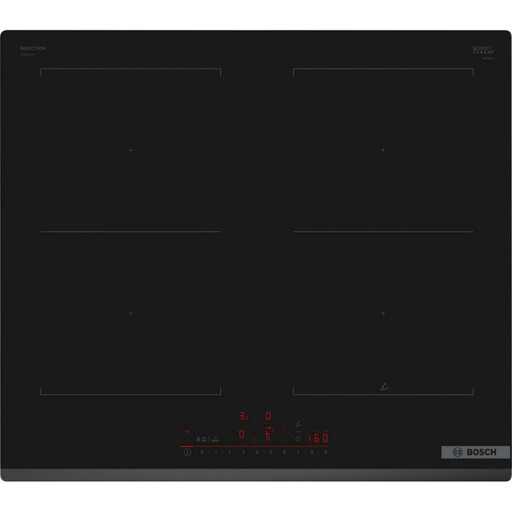
Why it's a good fit: For those who cook frequently and with passion. The flexibility for different types of cookware and the precise, rapid controls make the cooking process more efficient and enjoyable.
The CombiZone is a bridge function that connects two zones for large cookware, providing better heat distribution than standard round zones. The DirectSelect control allows for direct selection of the power level, bypassing cumbersome +/- button controls.
The FlexInduction zone (branded here as CombiZone) offers flexibility for roasters and large pans. The intuitive TouchSelect control (DirectSelect) allows for fast and precise power adjustment for each cooking zone individually.
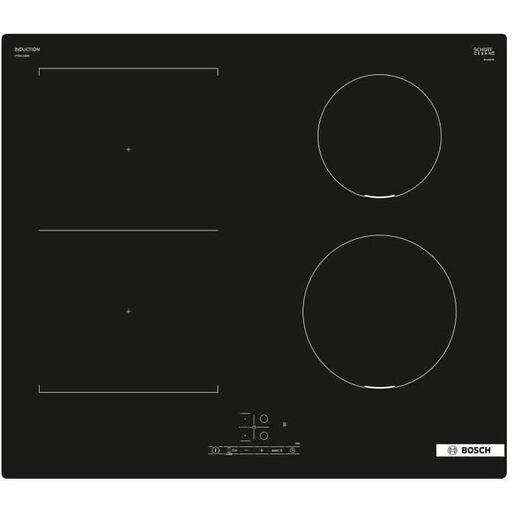
Why it's a good fit: For families where safety and straightforward operation are top priorities in a hectic daily life. Reliable features minimise risks and simplify handling.
The proven TouchSelect control is responsive and logically designed. The Re-Start function prevents frustration if the hob is accidentally switched off, and the child lock is easy to activate.
Comprehensive safety equipment with a reliable child lock and timer. The practical Re-Start function briefly saves the last setting and restores it—ideal when you're in a hurry.
We have compiled a complete, up-to-date list of products that meet these strict selection criteria and German safety regulations.
You need cookware with a ferromagnetic base. You can easily test if your existing cookware is suitable with a magnet: if it sticks to the bottom of the pot or pan, the cookware is induction-compatible. Materials like cast iron, enamelled steel, and special stainless steel pots for induction are generally suitable. Aluminium, copper, or glass cookware will not work without a special ferromagnetic base layer.
Induction hobs are generally more energy-efficient than ceramic hobs (glass-ceramic hobs with radiant heating elements). With induction, heat is generated directly in the base of the pot via an electromagnetic field. The glass surface itself is only heated indirectly by the residual heat from the pot. This results in faster heating times and lower energy losses, which can reduce electricity consumption compared to ceramic technology.
A standalone built-in hob requires a separate high-voltage connection (three-phase connection, 400 V) and, for safety reasons and to comply with legal regulations (such as VDE standards), must only be connected by a qualified electrician. Improper installation can cause severe damage to the appliance and pose a significant fire and electric shock hazard. This is not a task for DIY enthusiasts.