
Lieferung heute & morgen

Qualitätsgarantie

Willkommens-Angebote freischalten: KOSTENLOSE Lieferung | Bis zu 80 % RABATT | Kostenlose 30-Tage-JoyPlus-Testphase
App herunterladen
Choosing a new hob is a foundational decision for any kitchen. However, with the vast array of technologies, features, and marketing promises, it's easy to fall into common traps. The wrong induction hob can lead not only to unexpected costs but also to daily cooking frustrations. This guide will help you understand the crucial criteria and make an informed choice based on facts, not just advertising slogans.
As your Joybuy Product Recommendation Officer, I've compiled the most important information to show you what truly matters.
Before we dive into the technical details, let's clear up two common misconceptions that often lead to disappointment:
To make a sound decision, you should evaluate three key areas: cooking technology, form factor, and power requirements.
The surface of both hob types is made of glass-ceramic, but their heating methods are fundamentally different.
The choice of form factor depends on your available space and need for flexibility.
The total power of a hob, known as the power rating, is specified in kilowatts (kW) and is crucial for determining installation requirements.
Here are some models tailored to specific user profiles that avoid the pitfalls mentioned.
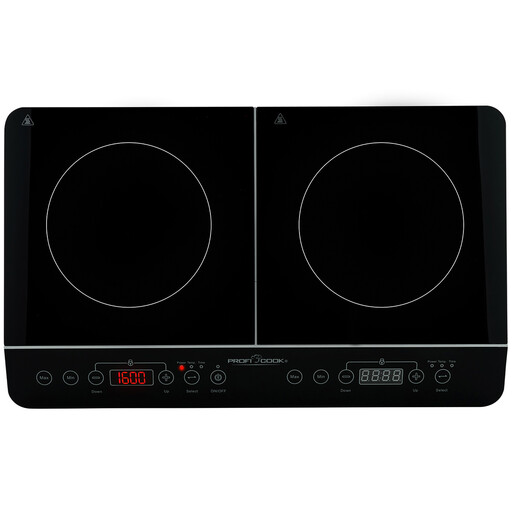
Why This Fits Their Persona: Ideal for students, small apartments, or as a mobile addition. This double hob offers the benefits of induction technology without the need for complex installation. It's ready to use out of the box and easy to store.
This appliance completely bypasses the connection trap, as it is designed to operate on a standard 230V wall outlet. No additional electrician costs are incurred.
High portability and immediate usability. The induction technology ensures rapid heating and energy savings compared to conventional hot plates.
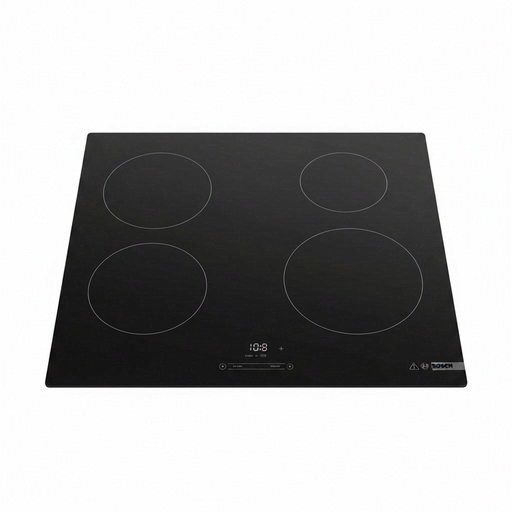
Why This Fits Their Persona: A reliable 60 cm built-in hob for families. It offers four cooking zones, essential safety features like a child lock, and a PowerBoost function for rapid cooking when time is short.
This model focuses on the core benefits of induction—speed and efficiency. It forgoes complex, rarely used extra features, offering solid, durable performance instead.
The PowerBoost function delivers extra power on demand for extremely rapid heating. The TouchSelect control is intuitive and easy to clean.
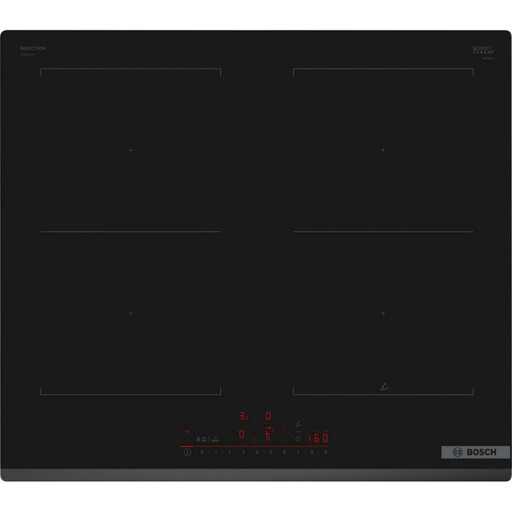
Why This Fits Their Persona: For home chefs who value flexibility. The CombiZone feature (FlexInduction) allows two cooking zones to be combined into one large, continuous surface—ideal for roasting pans, griddles, or oversized pots.
Unlike purely cosmetic upgrades, the CombiZone offers a real, practical benefit that expands cooking possibilities and justifies the higher price with enhanced functionality.
Maximum flexibility thanks to the combinable cooking zone. The DirectSelect control allows for direct, simple selection of power levels for each zone.
We have compiled a complete, up-to-date list of products that fully meet these strict selection criteria and rigorous safety standards.
For an induction hob, you need cookware with a ferromagnetic base. You can easily test if your existing cookware is suitable with a magnet: if it sticks to the bottom of the pot or pan, the cookware is induction-compatible. Materials like cast iron, enamelled steel, or special induction-ready stainless steel work perfectly. Pots made of pure aluminium, copper, or glass are not suitable.
Yes, induction technology is generally more energy-efficient. Because heat is generated directly in the base of the pot and doesn't need to heat the glass-ceramic surface first, significantly less energy is lost to the surroundings. This results in shorter cooking times and lower electricity consumption. According to manufacturer data, the time savings can be up to 55% compared to conventional hobs, which directly impacts your energy costs.
That depends on the appliance's total power rating.
I hope this guide provides you with clear direction for your purchasing decision.
Your Joybuy Product Recommendation Officer