
Lieferung heute & morgen

Qualitätsgarantie

Willkommens-Angebote freischalten: KOSTENLOSE Lieferung | Bis zu 80 % RABATT | Kostenlose 30-Tage-JoyPlus-Testphase
App herunterladen
Choosing a new hob can quickly become overwhelming. Between marketing promises of flexible cooking zones and a multitude of technical specifications, it's easy to lose track. A poor purchase is not only frustrating but can also lead to unexpected follow-up costs, for instance, if the new appliance doesn't fit your existing kitchen wiring. This guide will help you understand the crucial criteria and make an informed decision that suits your household and cooking habits.
Before we dive into the technical details, let's highlight three common pitfalls that often lead to disappointment.
To avoid these pitfalls, focus on three objective core parameters. These are decisive for the functionality, safety, and compatibility of your new cooking appliance.
The choice of heating technology is fundamental. Both systems have clear advantages and disadvantages based on physical principles.
The form factor depends on your living space and your need for flexibility.
Instead of presenting an overwhelming list, we have selected products that address specific user profiles and cleverly avoid the pitfalls mentioned earlier.
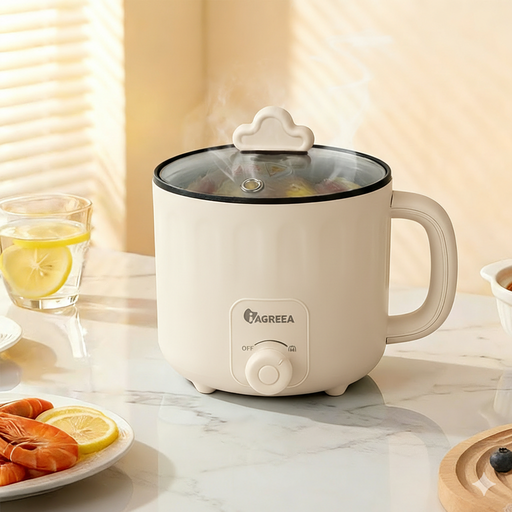
Why This Fits Their Persona: Ideal for students, singles, or as an auxiliary appliance in the office. With a 1.6-litre capacity, it's perfect for a single meal like pasta, soup, or a stew. The device is extremely compact, lightweight, and only needs a standard socket.
This device sidesteps the trap of unrealistic performance claims. At 600 watts, it is clearly designed for small portions and doesn't promise miracles. It doesn't require a high-voltage connection and is ready to use immediately.
Versatility: Suitable for boiling, stewing, and steaming. Safety: Integrated overheating and boil-dry protection. The non-stick coating makes cleaning easy.
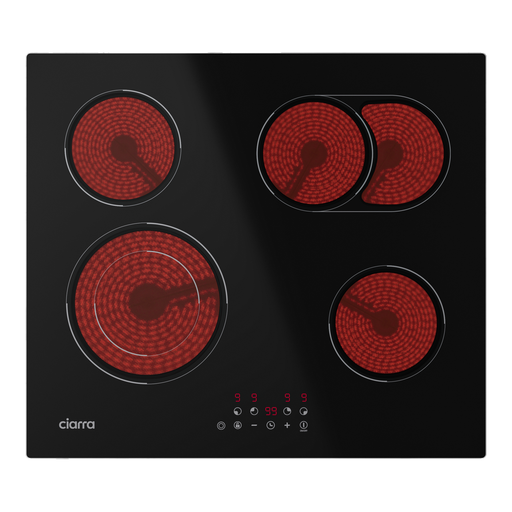
Why This Fits Their Persona: A solution for families looking for a powerful and flexible built-in hob. With four zones, including an oval and an expandable dual-ring zone, it accommodates a wide range of cookware—from small pots to large roasting pans.
This hob addresses the "flex zone" pitfall with a clear definition: the oval and dual-ring zones are designed for specific pot shapes and are not advertised as a continuous surface. The 6600W power rating clearly signals the need for a high-voltage connection.
Precise Control: 9 power levels via touch control. Safety Features: A child lock, residual heat indicator, and timer with auto-off function protect the family.
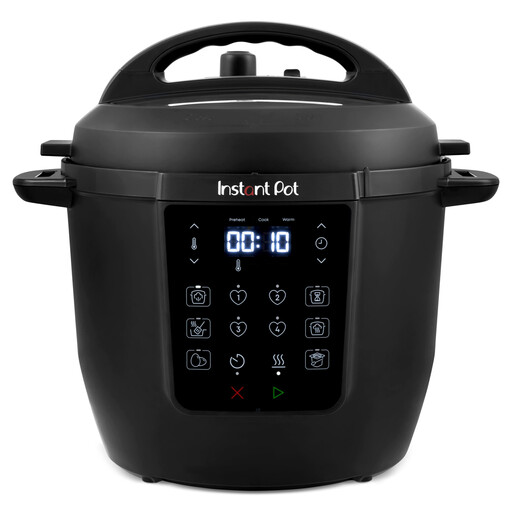
Why This Fits Their Persona: For anyone who wants to do more than just boil and fry but lacks the space for multiple separate appliances. This multi-cooker combines a pressure cooker, slow cooker, steamer, and more in one device. With a 5.7-litre capacity, it's also suitable for families.
As a standalone appliance, the Instant Pot completely bypasses the connection issues of built-in hobs. It only requires a 230-volt socket and offers a clear, multifunctional alternative to a traditional hob.
7-in-1 Functionality: Replaces multiple kitchen appliances and saves space. Efficiency: According to the manufacturer, it cooks up to 70% faster and saves energy. The stainless steel inner pot is dishwasher-safe.
We have compiled a complete, up-to-date list of products that fully meet these strict selection criteria and rigorous safety standards.
An induction hob is generally more energy-efficient. Because the heat is generated directly in the base of the pot, less energy is lost to the surroundings. A ceramic hob first heats the glass surface, which involves energy loss. In a direct comparison, the energy savings with induction can be 20–30%, depending on usage habits.
For safety and insurance reasons, the installation of a hob, especially a model with a 400-volt connection, should only be carried out by a qualified electrician. Improper installation can lead to appliance damage, short circuits, or even fires, and will void the warranty.
You need cookware with a ferromagnetic base. This includes pots and pans made of cast iron, enamelled steel, or special induction-compatible stainless steel. Glass, copper, or aluminium pots will not work unless they have a built-in ferromagnetic base plate. A simple test helps: if a standard magnet sticks to the bottom of the pot, the cookware is suitable for induction.