
Lieferung heute & morgen

Qualitätsgarantie

Willkommens-Angebote freischalten: KOSTENLOSE Lieferung | Bis zu 80 % RABATT | Kostenlose 30-Tage-JoyPlus-Testphase
App herunterladen
Choosing a new hob can quickly become overwhelming. With countless models, technical terms, and marketing promises, making an informed decision is difficult. As your Joybuy Product Recommendation Officer, I'm here to help you separate essential features from unnecessary frills. In this guide, we'll focus on the most common pitfalls and the crucial criteria to help you find an appliance that truly fits your needs.
Before we dive into the technical details, let's look at three common mistakes that often lead to disappointment and unnecessary expense.
To avoid these pitfalls, focus on three fundamental parameters that determine the performance, compatibility, and usability of your new hob.
The choice between an induction hob and a ceramic hob is fundamental.
The form factor determines how the appliance is integrated into your kitchen.
Instead of being dazzled by marketing buzzwords, look for these practical and safety-relevant features:
Here are some product recommendations tailored to specific user profiles and their requirements.
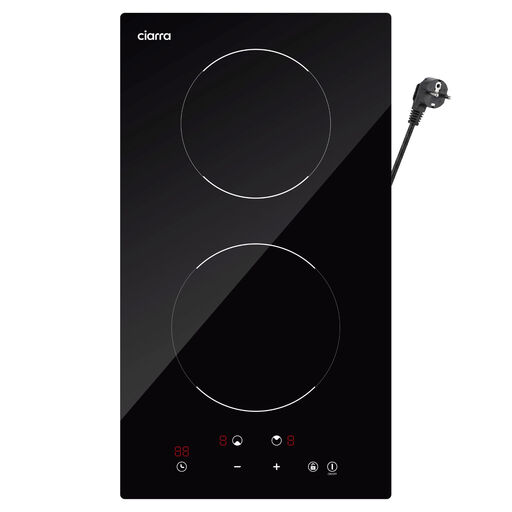
Why This Fits Their Persona: Ideal for small apartments, students, or as a secondary hob in a larger kitchen. This compact 2-burner hob offers the efficiency of induction technology without taking up much counter space.
It sidesteps the incompatibility trap by being clearly positioned as an induction hob. Its total power of 3000W is designed for standard power outlets (pre-check recommended), avoiding costly electrical work.
Fast, energy-efficient cooking with essential safety features like a child lock and residual heat indicator built-in.
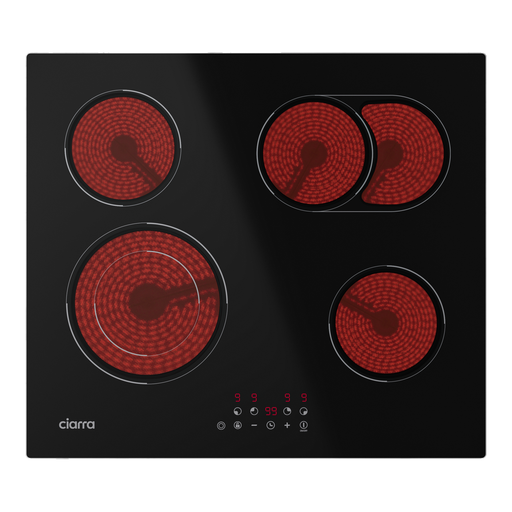
Why This Fits Their Persona: Perfect for families who cook regularly and need flexibility. The four zones, including an oval roasting zone and a dual-ring zone, accommodate pots and pans of various sizes.
This ceramic hob solves the problem of rigid cooking zones. The flexible zones prevent energy waste and ensure even cooking, even with large cookware. It is compatible with all types of pots.
High flexibility thanks to oval and dual-ring cooking zones. The 6600W power output ensures rapid heating (high-power connection required).
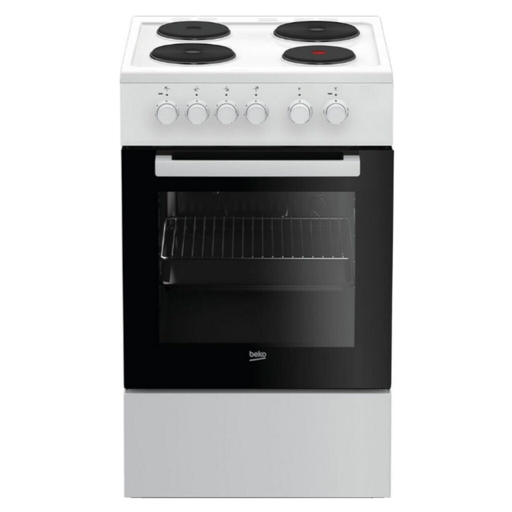
Why This Fits Their Persona: An all-in-one solution for anyone needing a new cooker with an oven. As a freestanding electric cooker, installation is straightforward and doesn't require custom-built cabinets.
Solves the compatibility issue between a separate hob and oven. As a freestanding cooker, it's a cohesive unit that is simply positioned and connected, reducing planning and installation complexity.
Combines a hob with a spacious 60-litre oven. The SteamShine cleaning function makes maintaining the oven significantly easier.
We have compiled a complete, real-time list of products that fully satisfy these strict selection criteria and UK safety regulations.
1. What power connection does a hob require? This depends on the total power rating (connection value in kilowatts, kW). Hobs with a low power rating (up to approx. 3,600 W), such as some two-burner models, can often be connected to a standard 230 V socket. Most standard four-zone hobs have a power rating from 6,000 W to over 11,000 W and require a 400 V high-power connection (three-phase power), which must be installed by a qualified electrician. Always check the manufacturer's specifications and your existing electrical installation.
2. What is the difference between an independent hob and a tethered hob? An independent hob has its own controls and can be installed anywhere in the countertop, separate from an oven. A tethered hob has no controls of its own; it is operated via the switches on a specifically designed built-in oven and must be mounted directly above it. Independent models offer significantly more flexibility in kitchen design.
3. What is the average lifespan of an induction or ceramic hob? The lifespan of a hob greatly depends on the quality of the appliance, frequency of use, and maintenance. With proper handling and regular, gentle cleaning, both induction and ceramic hobs can last for 10 to 15 years. Improper cleaning with abrasive sponges or dropping heavy objects on the glass surface can significantly shorten its lifespan.