
Lieferung heute & morgen

Qualitätsgarantie

Willkommens-Angebote freischalten: KOSTENLOSE Lieferung | Bis zu 80 % RABATT | Kostenlose 30-Tage-JoyPlus-Testphase
App herunterladen
The decision to buy a new induction hob is often driven by the promise of faster cooking times and greater energy efficiency. However, the market is saturated with models whose marketing promises more than the technology delivers in everyday use. Before you make an investment, it's crucial to understand the common pitfalls that can lead to disappointment and unexpected costs. As your Joybuy Product Recommendation Officer, I'm here to help you separate fact from marketing hype.
Two of the most common problems buyers face are:
This guide focuses on the decisive, real-world criteria to help you make an informed choice.
Instead of getting lost in marketing jargon, you should examine three technical fundamentals. These determine the functionality, safety, and long-term satisfaction with your appliance.
This is the most critical point and is often overlooked. The type of connection determines whether you can use the appliance immediately or will need an electrician.
The dimensions of the hob and the arrangement of the cooking zones must suit your habits.
Intuitive controls and sensible additional functions increase convenience and safety in everyday use.
Here are some recommendations tailored to different user profiles that specifically avoid the pitfalls mentioned.
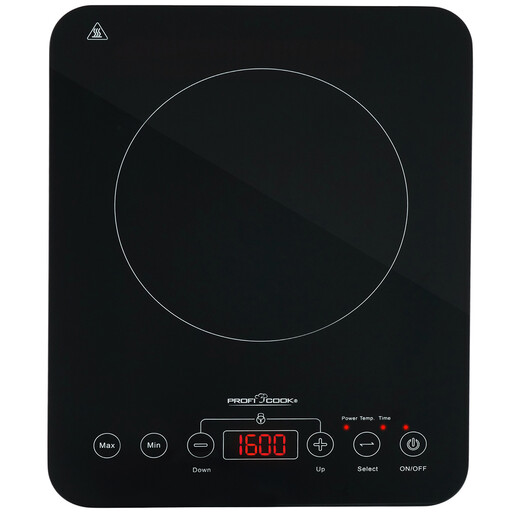
Why This Fits Their Persona: Ideal for students, campers, or as a supplementary cooking surface. This portable induction hob requires no complex installation and is ready to use immediately. It offers the benefits of induction technology in a minimal footprint.
Bypasses the installation and compatibility trap. Since it plugs into a standard wall socket, there are no electrician costs. You only need to acquire suitable cookware for this single hob instead of replacing your entire collection.
High Portability: Lightweight and compact, easy to store and transport. Precise Control: Offers 10 power and temperature levels, plus a 180-minute timer.
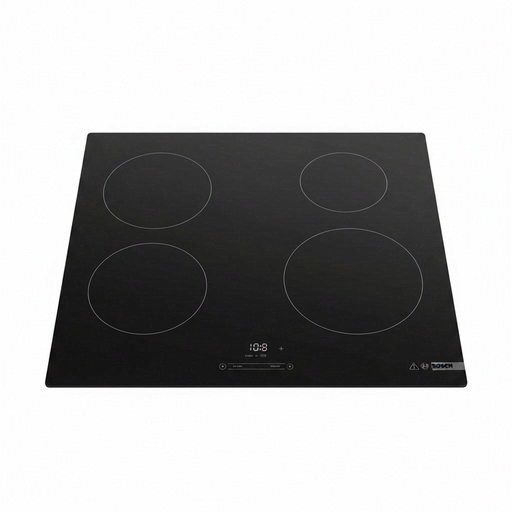
Why This Fits Their Persona: A reliable 60 cm built-in hob for families and anyone looking for a durable solution for daily use. It offers all the core functions expected from a modern hob in a clean, frameless design.
Focuses on proven and useful functions like PowerBoost and a timer, rather than promoting expensive but rarely used gimmicks. It offers solid brand quality and avoids "feature overkill."
PowerBoost Function: Up to 50% more power for faster heating. TouchSelect Control: Simple and direct selection of the cooking zone and power level. Includes a child lock and timer with shut-off function.
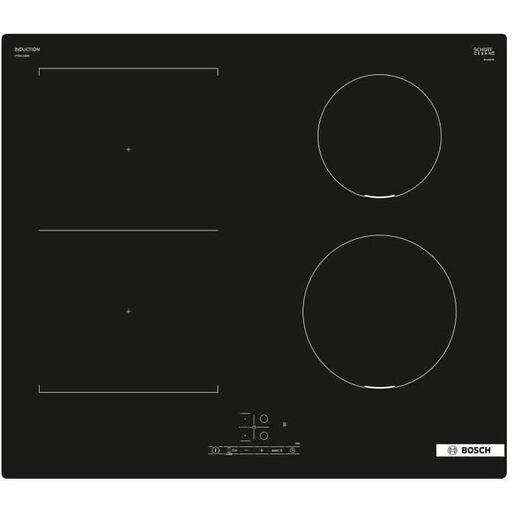
Why This Fits Their Persona: For anyone who needs more flexibility when cooking. The CombiZone feature allows the use of large cookware like roasting pans, which is often problematic on standard hobs. A clear upgrade for ambitious cooks.
The CombiZone is not a gimmick; it solves a real problem: the uneven heating of large cookware. The extra cost compared to a basic model is justified by a tangible, practical benefit.
CombiZone: Two cooking zones can be linked to form one large area. TouchSelect Control: Allows for easy control of all zones. ReStart Function: Briefly saves the last setting if the hob is accidentally switched off.
We have compiled a complete, up-to-date list of products that fully meet these strict selection criteria and all relevant safety regulations.
1. What cookware do I need for an induction hob? You need cookware with a ferromagnetic base. You can easily test if a pot or pan is suitable with a magnet: if the magnet sticks to the bottom of the pan, the cookware is induction-compatible. Materials like cast iron, enamelled iron, and some special stainless steel alloys work well. Cookware made of pure aluminium, copper, or glass is not compatible.
2. Is cooking with induction really more energy-efficient? Yes, induction technology is generally more efficient than conventional ceramic or gas hobs. This is because the electromagnetic field generates heat directly in the base of the cookware. The cooking surface itself is only heated indirectly by the residual heat from the pot. As a result, less energy is lost to the surroundings, and heating is faster.
3. Does an induction hob always have to be installed by an electrician? That depends on the type of appliance. Portable induction hobs with one or two zones are usually designed to be plugged into a standard 230 V wall socket and can be operated without a professional. Built-in hobs with three, four, or more zones have a high power rating and require a 400 V hardwired connection. For safety and insurance reasons, this installation must always be carried out by a qualified electrician.