
Lieferung heute & morgen

Qualitätsgarantie

Willkommens-Angebote freischalten: KOSTENLOSE Lieferung | Bis zu 80 % RABATT | Kostenlose 30-Tage-JoyPlus-Testphase
App herunterladen
Choosing a new hob is a foundational decision for any kitchen. Whether you're planning a complete kitchen renovation or just need a flexible cooking solution for a small apartment, the market offers a bewildering variety of options. With an induction hob in particular, manufacturers entice customers with numerous features. But not every innovation is worth the premium. This guide will help you identify the crucial features and sidestep common purchasing pitfalls.
Before we dive into the technical details, let's look at three widespread misconceptions that often lead to dissatisfaction and unnecessary expense.
To make an informed decision, focus on three essential aspects that determine a hob's utility and everyday usability.
The heating method is the most important differentiator. Each technology has specific advantages and disadvantages.
Your living situation and cooking habits will determine the right form factor.
Modern hobs offer important functions that make daily cooking safer and easier.
Instead of presenting an overwhelming list, we have selected products that meet specific user profiles and avoid the purchasing pitfalls mentioned.
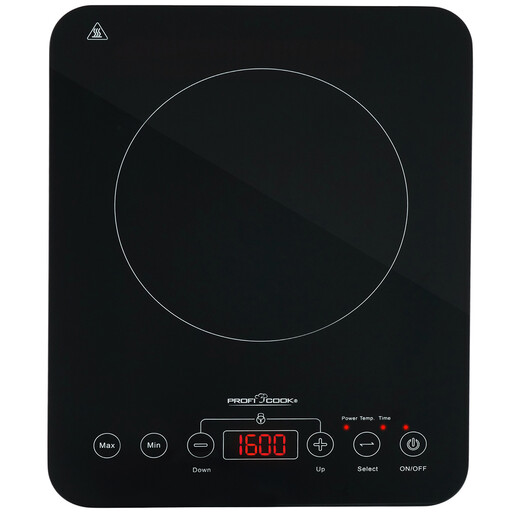
Why This Fits Their Persona: Ideal for students, commuters, or as a kitchen supplement. This portable hob offers the speed and efficiency of induction without the installation hassle. It's lightweight, compact, and plugs into a standard power outlet.
This device bypasses the complexity and cost of a built-in hob. It focuses on the core function—fast and efficient cooking—without expensive, unused 'pro' extras.
Precise control with 10 power and temperature levels. According to the manufacturer, the ECO-Save technology provides a 55% time saving compared to conventional hot plates.
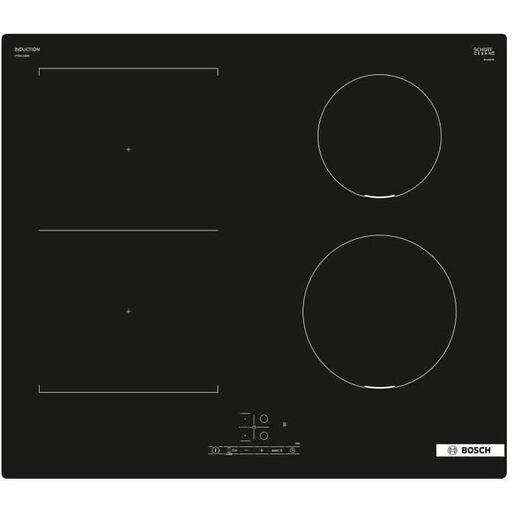
Why This Fits Their Persona: A classic 60 cm hob that integrates seamlessly into standard kitchens. It offers a balanced combination of performance, energy efficiency, and useful everyday features for family use.
This model focuses on proven and practical features like PowerBoost and a timer, rather than expensive niche programs. It addresses the energy cost trap with its efficient induction technology.
According to the manufacturer, the PowerBoost function heats up to 35% faster than the highest standard setting. The Re-Start function briefly saves the last setting if the hob is accidentally switched off.
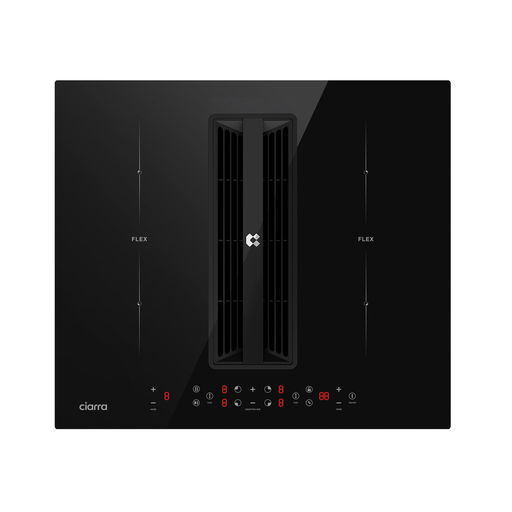
Why This Fits Their Persona: For design-conscious cooks and open-plan kitchens. This hob with an extractor fan combines a powerful induction field with an integrated downdraft extractor. This creates an unobstructed view and maximum design freedom.
The higher price is justified here by a clear, functional added value: the integration of two appliances into one. It's a targeted investment in design and function, not an expense for superfluous software features.
The 2-in-1 design saves space and eliminates the need for a bulky extractor hood. The FlexZone allows for the flexible use of cookware of different sizes.
We have compiled a complete, up-to-date list of products that fully meet these strict selection criteria and UK safety regulations.
Yes, an induction hob requires cookware with a ferromagnetic base. This means the bottom of the pots and pans must be magnetic. You can easily test this: if a standard magnet sticks to the bottom of the pot, the cookware is suitable for induction. Cookware made of cast iron, enamelled steel, or special induction-ready stainless steel generally works without issue.
An induction hob is typically more energy-efficient than a ceramic hob. The reason lies in the technology: induction generates heat directly in the base of the pot, meaning very little energy is lost to the surroundings. A ceramic hob first heats the glass surface, which then transfers the heat to the pot. This process is slower and involves higher energy losses. As a result, cooking with induction can noticeably reduce power consumption.
No, the installation of a standalone built-in hob should only be carried out by a qualified electrician. These appliances require a high-voltage connection (usually 400 V) that must be professionally connected to avoid safety risks such as short circuits or fires and to ensure compliance with legal regulations and warranty conditions.