
Lieferung heute & morgen

Qualitätsgarantie

Willkommens-Angebote freischalten: KOSTENLOSE Lieferung | Bis zu 80 % RABATT | Kostenlose 30-Tage-JoyPlus-Testphase
App herunterladen
Choosing a new induction hob is a step towards a more modern, faster, and energy-efficient kitchen. The technology promises precise temperature control and enhanced safety. However, the market is filled with technical jargon and marketing promises that can make the selection process difficult. Before you make a decision, it's crucial to understand some common pitfalls that can lead to disappointment and unexpected costs.
As your Joybuy Product Recommendation Officer, I'm here to help you navigate these hurdles and make an informed choice that suits your household and cooking habits.
To make the right choice, you should focus on a few critical technical features. These are the key determinants of functionality, safety, and long-term satisfaction with your appliance.
The most important distinction is between portable and permanently installed units.
The standard hob width in Europe is 60 cm. A 60 cm induction hob usually offers four cooking zones, which is sufficient for most households.
Instead of presenting an overwhelming list, we've selected models that meet specific needs and cleverly avoid the pitfalls mentioned earlier.
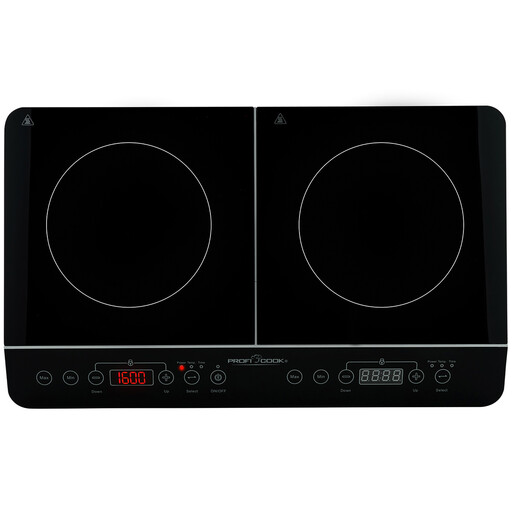
Why This Fits Their Persona: Ideal for students, small apartments, garden sheds, or as a supplement to the main hob. This appliance offers the flexibility of two cooking zones without the need for complex installation. Just plug it in and start cooking.
This model completely bypasses the installation pitfall. It plugs into a standard 230V socket, eliminating any costs for an electrician.
Portable and ready to use: Maximum flexibility for any location with a power outlet. Two separate zones: Allows for cooking two dishes simultaneously with individual controls.
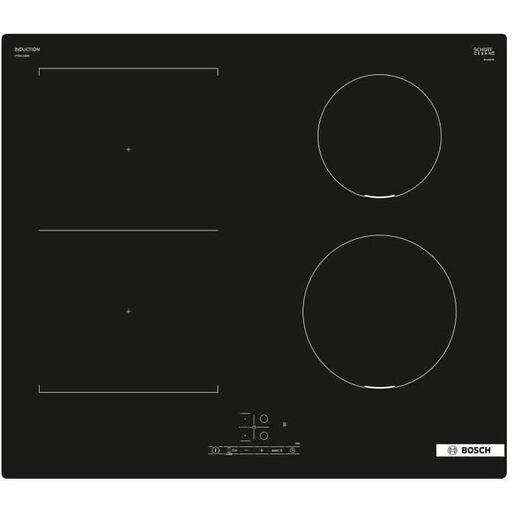
Why This Fits Their Persona: A solid Bosch induction hob for families looking to modernise their kitchen. The standard 60 cm size fits into most kitchen layouts. The PowerBoost function is practical for quickly boiling water for pasta or searing food at high heat.
This model offers a clear and functional PowerBoost feature. It demonstrates that high performance meets the reliability of an established brand, rather than making unrealistic promises.
PowerBoost Function: Up to 35% faster heating times compared to the highest standard level. TouchSelect Control: Intuitive and easy selection of cooking zones and power levels.
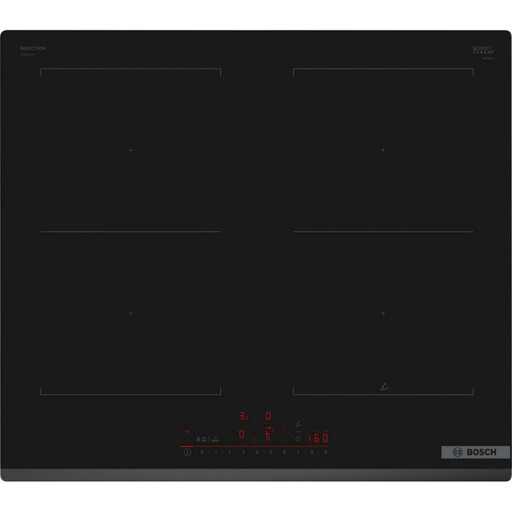
Why This Fits Their Persona: For cooking enthusiasts who value flexibility and performance. The CombiZone (FlexInduction) allows the use of large cookware like roasting pans or Teppanyaki grill plates by combining two zones into one large, rectangular area.
This model features a true FlexInduction zone, ensuring homogeneous heat distribution across the entire combined surface. It thus avoids the pitfall of "fake" flex zones with cold spots.
True Flexibility: The CombiZone automatically adapts to the size and shape of the cookware. High Total Power: With 7400 W, the hob offers plenty of power reserves for demanding tasks.
We have compiled a complete, up-to-date list of products that fully meet these strict selection criteria and all relevant safety standards.
For an induction hob, you need cookware with a ferromagnetic base. You can easily test if your pots and pans are suitable: hold a magnet to the bottom of the pot. If the magnet sticks, the cookware is induction-compatible. Materials like cast iron, enamelled iron, and special induction-ready stainless steel work well. Pure aluminium, copper, or glass are not suitable.
Yes, cooking with induction is significantly more energy-efficient. With an induction hob, heat is generated directly in the base of the cookware by an electromagnetic field. The glass-ceramic surface itself only gets warm indirectly from the residual heat of the pot. With a ceramic hob (radiant heating), the cooking zone is heated first, which then transfers heat to the pot. This process loses more energy to the surroundings. According to manufacturers like ProfiCook, the time savings can be up to 55% compared to conventional hobs.
In the vast majority of cases, the answer is yes. Standalone built-in hobs, especially models with four or more zones and a total power output exceeding 3,700 watts, require a three-phase high-power connection (400 V). For safety and insurance reasons, this connection must only be carried out by a qualified electrical professional. Never attempt to install such an appliance yourself.