Making sauce with a suitable pan
If you’re making cheese sauce on an extra cooking zone, ease of use at low heat is especially important. CASO and ROMMELSBACHER provide model-specific information on settings and suitable pan sizes.


For making cheese sauce in the kitchen, a portable single hob with easy-to-use low settings is a sensible starting point, provided your existing pan is induction-compatible. If you want to serve the sauce at the table or cook another dish at the same time, consider a tabletop model designed for that purpose or a double hob. Appliance settings do not show the actual temperature of the sauce, so keep an eye on the food itself while cooking and keeping it warm.
If you’re making cheese sauce on an extra cooking zone, ease of use at low heat is especially important. CASO and ROMMELSBACHER provide model-specific information on settings and suitable pan sizes.
If you want to serve the sauce at the table while you eat together, look for a purpose-designed appliance and keep a close eye on the food while it’s being kept warm. CASO describes its Induktions-FonDue as a tabletop appliance, while the German Federal Institute for Risk Assessment recommends keeping heated food hot.
If you’re preparing sauce and side dishes at the same time, the number and layout of cooking zones, available space and power connection are all important. SEVERIN lists two zones for the DK 1031; Bosch describes the PVS83KHC1E as a built-in model with four zones.
First decide whether you’ll make the sauce in the kitchen or at the dining table, and whether you’ll be cooking another dish at the same time. Then check that your pan, available space and power connection are suitable for the specific model.
| What you need | What to look for when buying | Who it matters to most |
|---|---|---|
| Controlling low heat | Compare the low power and temperature settings, and how the specific model is operated. CASO lists 12 settings for each on the ProMenu 2100; ROMMELSBACHER lists ten for each on the CT 2010/IN. These settings do not measure the temperature of the sauce. | If you want to adjust the heat precisely while melting and cooking the sauce, ease of use matters more than a high maximum power output. Around 33% of consumers prioritise heat control. |
| Using your existing pan | Check that the pan base is suitable for induction, then compare its diameter with the hob’s specifications. The Federal Office for Radiation Protection explains why suitable cookware matters. CASO lists a pan size of 12–24 cm for the ProMenu 2100, while ROMMELSBACHER gives a cooking zone size of 120–230 mm for the CT 2010/IN. | If you want to keep using your existing sauce pan, you’ll want to check that its material and base size are suitable before you buy. Around 27% of consumers put using a suitable pan first. |
| Tabletop use and keeping food warm | Check whether the appliance is designed for use at the table and whether a pan is included. When keeping food warm for longer, the temperature of the food itself matters: the German Federal Institute for Risk Assessment recommends keeping heated food at 60 °C or above throughout. | If you want to serve the sauce at the table while you eat together, you’ll need a suitable setup and must keep an eye on the food itself. Around 20% of consumers prioritise tabletop use. |
| Cooking at the same time and planning for space | Check that the cooking zones, dimensions and power connection suit the space where you plan to use the appliance. SEVERIN lists two zones and dimensions of 4.8 × 59 × 35.5 cm for the portable DK 1031. Bosch specifies four zones for the PVS83KHC1E and says it must be connected without a plug by a qualified electrician. | If you want to cook another dish alongside the sauce, you’ll need extra zones and a suitable place to set up the appliance. Around 20% of consumers prioritise cooking more than one dish at a time. |
A test showing how quickly a hob heats water doesn’t tell you how cheese sauce will behave on a low setting.
Compare how the specific model works and what low settings it offers, and keep an eye on the sauce as you cook it.
Induction requires suitable cookware, and the recommended pan sizes vary between appliances.
Check the pan base and its diameter against the specifications for the hob you’re considering.
What’s included, the space required, the number of cooking zones and the power connection all vary. A tabletop model isn’t automatically designed for the same purpose as a permanently installed hob.
First decide where you want to serve the sauce and whether you’ll be cooking with other pans at the same time. A built-in appliance such as the Bosch PVS83KHC1E is designed to be connected by a qualified electrician.
A built-in model may require additional installation work.
The details below apply to the models and product ranges mentioned, not to every appliance from each brand.
CASO offers the Induktions-FonDue tabletop set and the ProMenu 2100 portable single hob.
The CT 2010/IN is a portable single hob for use with a suitable pan of your own.
The DK 1031 is a portable double hob for when you want to heat another dish alongside the sauce.
The PVS83KHC1E is a built-in hob with several zones, designed for a permanent kitchen installation.
The SIKP 2200 B1 is a portable single hob for use with a suitable pan.
The Joybuy products below are portable single and double induction hobs for making sauce, some with an extra cooking zone.
 No image available
A portable single hob for making sauce on an extra cooking zone.
The product name lists 8 temperature and power settings, a power range of 800–3500 W, a timer and overheating protection.
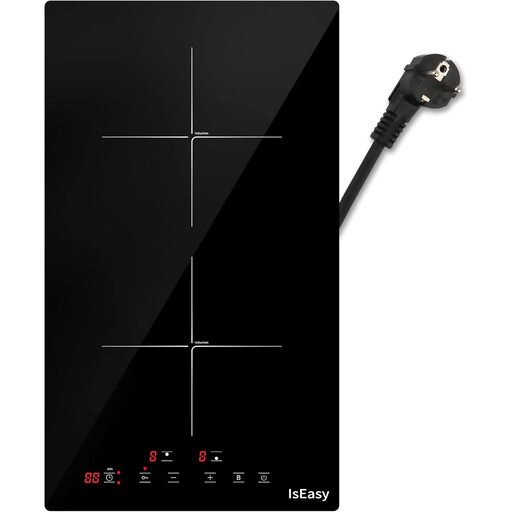 No image available
Two cooking zones may be useful if you want to heat the sauce and another dish at the same time.
The product name lists 3400 W, 29.5 cm, nine heat settings, a booster function, timer, child lock and 220–240 V. It also specifies built-in and plug-in use.
 No image available
This model may suit you if you want to use a second cooking zone while making sauce.
The product description lists two independently controlled zones, five temperature settings and dimensions of 48 × 23.5 × 7.5 cm.
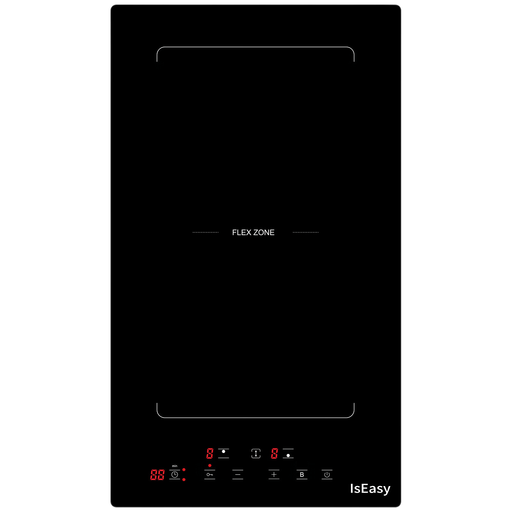 No image available
The flexible zone may be a good option if you want to check that your sauce pan matches the stated pan size.
The product description lists a flexible zone for pans measuring 12–28 cm.
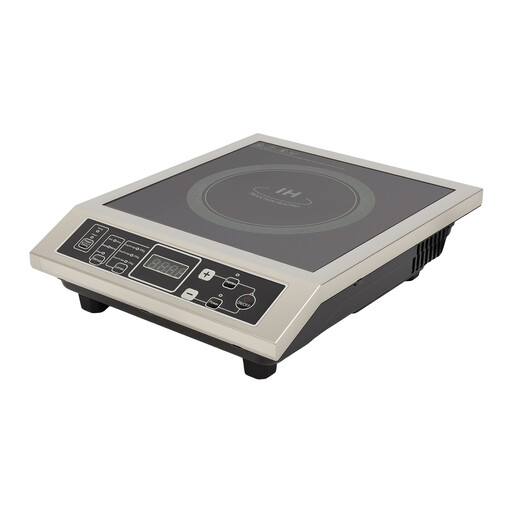 No image available
A portable single hob for making sauce on an extra cooking zone.
The product name lists 3500 W, ten power settings, a preset timer and a portable tabletop appliance.
Yes, as long as the base is induction-compatible and its size matches the specifications for the hob you choose. The Federal Office for Radiation Protection explains why suitable cookware matters, and manufacturers list different size ranges for different models.
No. An appliance setting isn’t a temperature reading for the sauce. In its guidance of 19 March 2024, the German Federal Institute for Risk Assessment recommends keeping food that has already been heated at a minimum of 60 °C throughout while it’s being kept hot. Check the temperature of the food itself.
Not the Bosch PVS83KHC1E covered here: Bosch says it must be connected without a plug by a qualified electrician. For a portable hob, follow the connection instructions for the specific model.
For a specific appliance, check the relevant CE marking, manufacturer’s information, declaration of conformity and German-language instructions. The EU explains CE marking for products covered by the relevant rules, while the German Federal Network Agency lists these points as part of its market surveillance. A CE marking is a declaration by the manufacturer; it does not prove that the appliance has received individual government approval or show how well it cooks cheese sauce.
If there’s a fault, distinguish your statutory rights against the seller from any voluntary manufacturer’s guarantee. The German consumer advice centre describes repair or replacement as the first step in seeking a remedy.