Batch cooks using a large pan
If you’re making enough fricassee for several meals, compare the flat base of your pan with the diameter of the suitable cooking zone, and allow space for other cookware too.


Start by checking that your pan has a flat base suitable for induction, that it fits the cooking zone and that the hob is compatible with your available connection – don’t choose on wattage alone. A large or flexible built-in hob could be a good fit if you need room for other pans as well as your fricassee. A portable hob is an option for an extra cooking zone, provided your pan fits and you have enough space for it. If you’re saving portions for later, a keep-warm function is no substitute for cooling them promptly.
If you’re making enough fricassee for several meals, compare the flat base of your pan with the diameter of the suitable cooking zone, and allow space for other cookware too.
If you need an extra cooking zone or one you can put away, consider whether you need one or two zones and whether a portable hob will fit your available space.
If you’re considering a built-in hob, check the cut-out dimensions, connection requirements and pan size against the specifications for the model you’re looking at.
A good fit if: You want to use a large pan or roasting dish alongside other cookware, and the cut-out and electrical connection suit your kitchen.
Things to consider: You’ll need enough space to install a hob with a larger surface and more cooking zones. Bosch lists a 28 cm zone for the PXE875DC1E; Siemens lists five zones across a 90 cm width for the EX975LXC1E. These are manufacturer specifications, not confirmation that your pan will fit.
A good fit if: The base of your pan fits one of the fixed zones and you use several smaller pans at once. IKEA lists four zones for the VILSTA, with diameters of up to 21 cm.
Things to consider: Four zones alone don’t tell you whether the base of a much larger pan will be heated properly. Check the installation dimensions and connection requirements too.
A good fit if: You need two extra cooking zones without a fixed installation, and your pans meet the appliance specifications. CASO lists two zones and a maximum total output of 3,500 W for the ProGourmet 3500.
Things to consider: Total output is not the same as the output of each zone. The stated maximum pan sizes are inconsistent, so check the instruction manual to confirm what size is suitable.
A good fit if: You only need one extra cooking zone and your pan is within the stated zone range. Rommelsbacher lists pans up to 230 mm in diameter for the CT 2010/IN.
Things to consider: One cooking zone won’t be enough if you want to heat the fricassee and a side dish at the same time.
| Consideration | What to check before buying | Who it matters to |
|---|---|---|
| Fit between a large pan and the cooking zone | Compare the material and flat base diameter with the model’s zone specifications; don’t use the diameter across the top of the pan. | If I use a large pan to make several portions, its base needs to fit the cooking zone. Around 33% of consumers put this first. |
| Cooking on several zones at once | Check the number and layout of usable zones, as well as the stated total output when they’re used simultaneously. | If I want to cook fricassee and a side dish at the same time, there needs to be room for both pans. Around 27% of consumers prioritise cooking more than one dish at once. |
| Installation and electrical connection | Check the appliance and niche dimensions, plug type and connection requirements for the specific model. | If you’re using an existing kitchen or having a hob installed, the cut-out and connection need to be right. Around 20% say the kitchen and connection are their top consideration. |
| Temperature control when simmering | Check for low power settings and, where available, a timer; keep an eye on the heat in the pan while cooking. | If you want to simmer a sauce gently, you’ll need to be able to adjust the heat as required. Around 20% of consumers put this level of control first. |
The number of zones doesn’t tell you what size pan base the largest zone can accommodate. A base that isn’t suitable or flat may not work with the cooking zone.
Measure the flat base of your pan and check it against the zone specifications for the exact model.
CASO describes the ProGourmet 3500’s 3,500 W as its maximum total output. This doesn’t mean that each zone delivers that output on its own.
Check how the output is distributed if you want to heat fricassee and a side dish at the same time.
Appliance and niche dimensions vary by model. Plug types and connection requirements can differ too.
Check both sets of dimensions and the installation requirements before ordering. Cutting a hole in the worktop and arranging a professional connection may involve extra work.
An appliance setting doesn’t prove that the fricassee has reached the required temperature throughout. For longer storage, the German Federal Institute for Risk Assessment recommends cooling hot food promptly.
Keep immediate serving separate from storing food for later. Check the temperature of the food itself and cool any portions you’re saving promptly.
The PXE875DC1E is an example of a built-in hob with a large cooking zone.
The EX975LXC1E is a wide built-in option for using several pans at once.
The VILSTA and TILLREDA models offer different styles: a built-in hob with four zones and a portable model with two.
The ProGourmet 3500 is a portable double induction hob that can provide an extra cooking zone.
The CT 2010/IN is a portable single hob for an extra cooking zone.
This selection includes built-in hobs with several zones and a portable two-zone hob for batch cooking larger quantities.
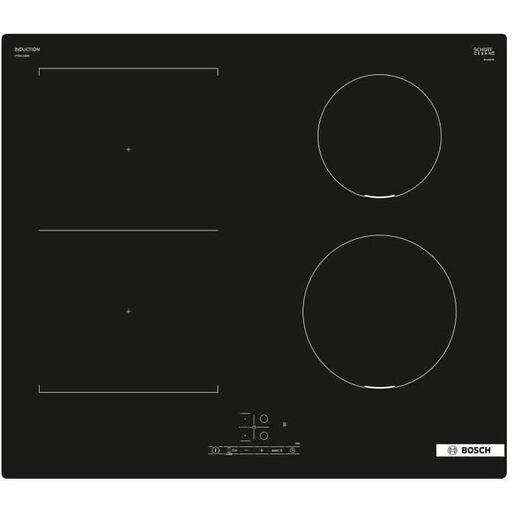 No image available
Described as a built-in hob with four zones for using several pans at once.
A timer and PowerBoost are listed; the rated output is 6,900 W according to the product name. The product description states that installation should be carried out by a qualified electrician.
 No image available
Described as a portable option with two cooking zones for preparing food at the same time.
Five temperature settings are listed, along with keep warm, boil, simmer, fry and slow cook on a low heat.
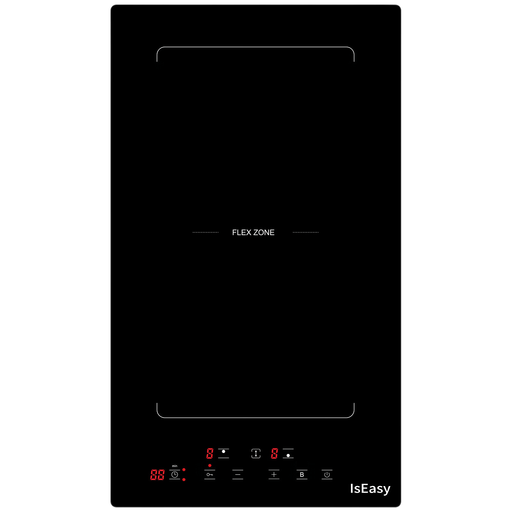 No image available
The flexible zone is described as suitable for cookware measuring 12 to 28 cm, which may work for a larger pan if its diameter falls within this range.
Two cooking zones and a maximum total output of 3,400 W are listed, along with a booster function.
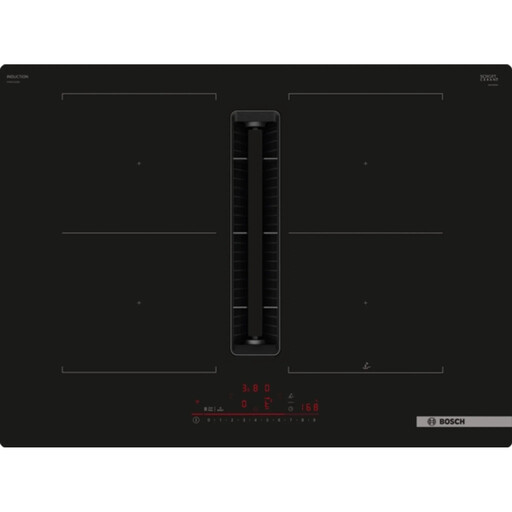 No image available
This built-in hob is described as having four zones and a CombiZone, which combines two zones for larger cookware.
The description states that installation and electrical connection should be carried out by a professional. Additional air ducts and optional accessories are required for extraction mode.
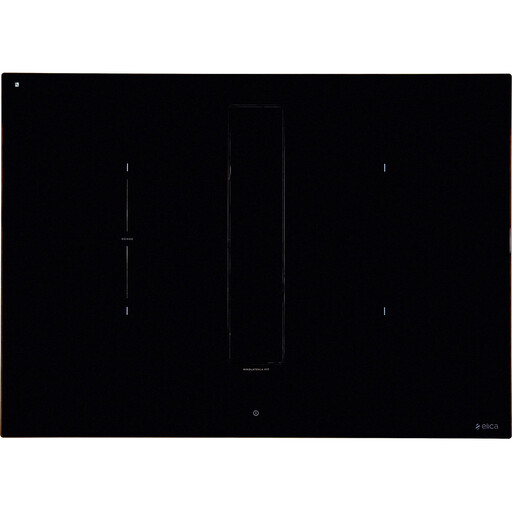 No image available
This built-in hob is described as having four cooking zones and a Bridge function that combines two zones for larger cookware.
The description states that installation must be carried out by a professional. Additional, optional air ducts are listed for extraction mode.
Check the pan’s markings, make sure it’s made from a suitable material and has a flat base, then compare its diameter with the cooking zone specifications. The German Federal Office for Radiation Protection recommends cookware made from a suitable material and in an appropriate size.
Not if the model doesn’t have a plug. Bosch and Siemens state that the built-in models mentioned here must be connected by a qualified electrician; IKEA says the portable TILLREDA connects using its supplied plug. Always follow the instructions for the specific appliance.
For the CASO ProGourmet 3500, CASO uses this figure to describe the maximum total output of both zones, not the output of each zone. If you want to heat two pans at once, check the output distribution and pan sizes in the instruction manual.
When reheating food, the German Federal Institute for Risk Assessment recommends heating it to at least 70 °C for two minutes throughout, and keeping it hot at a minimum of 60 °C throughout. For longer storage, hot food should be cooled promptly to below 7 °C. A keep-warm setting doesn’t prove that the fricassee has reached the right temperature throughout, so check the food itself.
Look for adjustable low power settings and make sure the pan is suitable for the cooking zone. A displayed setting or temperature doesn’t prove that the sauce is simmering evenly, so keep an eye on it while it cooks.