Family cooks using several pans
If you want to cook curry and side dishes at the same time, you’ll need separate spaces for your pans and enough flexibility to arrange your own cookware.


If you regularly cook curry and side dishes at the same time, a built-in hob with at least four cooking zones is worth considering – provided you have enough space and the right connection. Siemens lists five zones for its 90 cm-wide EX975LXC1E, while AEG specifies four zones for the EK60IBI. If you don’t have a suitable space for a built-in model, a portable double hob could be an option if two cooking zones and the permitted pan size are enough for you. What matters is the usable zones, the size of your pans and the installation requirements – not just the power rating.
If you want to cook curry and side dishes at the same time, you’ll need separate spaces for your pans and enough flexibility to arrange your own cookware.
A portable hob can be an alternative if a built-in model isn’t an option or you need extra cooking zones. Check that the zones, pan sizes and electrical supply are suitable for your kitchen.
With a large pot, it’s important that its induction-compatible base fits the usable cooking zone. The width of the hob alone won’t tell you that.
First, work out which pans you want to use on the hob at the same time. Then you can check the installation and connection, whether your curry pot will fit, and any extra costs.
| Buying priority | What to check | Who it matters most to |
|---|---|---|
| Cooking curry and side dishes at the same time | Check the number and layout of the zones against the cookware you plan to use at the same time. | If I want to cook curry, rice and perhaps something in a frying pan at the same time, every usable cooking zone counts; around 33% of consumers put cooking several dishes at once first. |
| Space for installation and connection | Check the appliance and cut-out dimensions, as well as the connection type for the specific model. AEG specifies a 560 × 490 mm cut-out for the EK60IBI and says it has no mains plug. | If I’m planning a built-in appliance or need a portable hob, I want to know first whether the space and connection are suitable; around 27% of consumers put this practical consideration first. |
| Whether your curry pot will fit | Check that the pot is induction-compatible, then compare the shape and diameter of its base with the cooking zone you plan to use. | For my large curry pot, it matters whether the base fits the active zone; around 20% of consumers prioritise finding the right pan size. |
| Purchase and follow-up costs | Budget separately for the appliance, any suitable cookware you may need and possible installation work. | If I want a clear picture of the costs before buying, I also factor in any pans and installation services I might need; around 20% of consumers put the total cost first. |
Zone layouts and usable areas vary. A wide hob doesn’t guarantee that your own pots and pans will fit side by side.
Compare the dimensions of the cookware you’ll use at the same time with the zones and cut-out dimensions of the specific model.
A built-in hob and a portable double hob may have different connection requirements. Rommelsbacher specifies 230 V and 3400 W for the CT 3410/IN; according to the manufacturer, the AEG EK60IBI has no mains plug.
Before you decide, check the connection type, the instructions for the specific appliance and your electrical supply.
A built-in appliance without a plug may need to be professionally installed; the work involved depends on your kitchen setup.
A pan must be suitable for induction, and its base must fit the zone you’re using. For the portable CT 3410/IN, Rommelsbacher specifies suitable pans with a diameter of up to 230 mm.
Check the material and dimensions of the pan base, then compare them with the specifications for the cooking zone you plan to use.
If your existing cookware isn’t suitable, you may need to replace it with a compatible option.
For a cooker combination, the EU energy label applies to the oven, not the hob, according to the Verbraucherzentrale (consumer advice centre).
Don’t use the oven’s efficiency rating to choose a hob.
Siemens home appliances offers built-in models in different widths and with a range of zone layouts.
Bosch describes the 60 cm PVS63KBB5E built-in hob as having four cooking zones.
According to AEG, the independent EK60IBI built-in hob combines four cooking zones with a Bridge function.
The portable CT 3410/IN double hob is an option if a built-in hob isn’t suitable or you need extra cooking zones.
Miele offers induction hobs designed to work independently or in combination with a cooker, with a range of cooking zone layouts.
The Joybuy models below are built-in induction hobs with several cooking zones. Check that the width, features and installation requirements suit your kitchen.
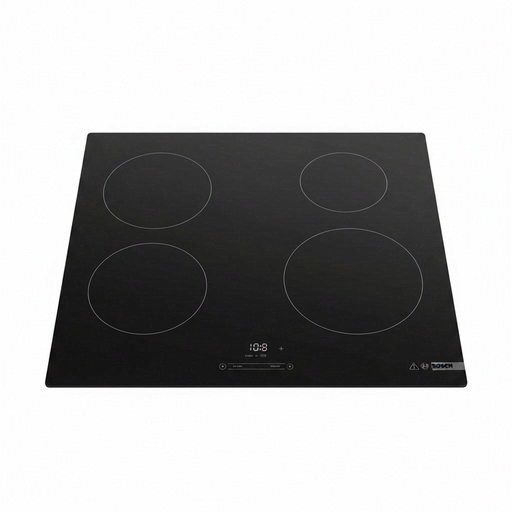 No image available
This built-in hob with several cooking zones could suit a kitchen where you want to prepare curry and side dishes at the same time.
Before buying, check that the cut-out and installation requirements suit your kitchen plans.
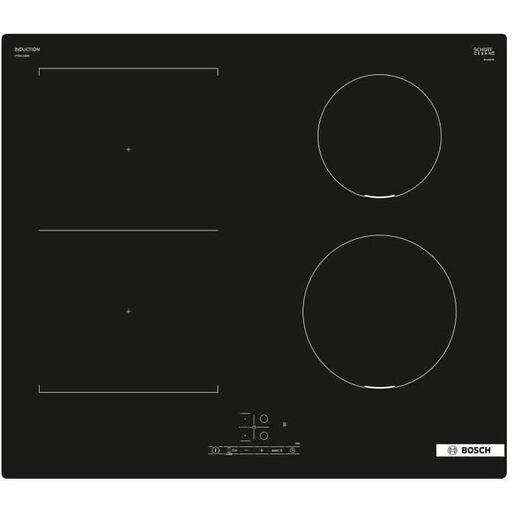 No image available
Four zones give you space for several pans if you want to prepare curry and side dishes at the same time.
Specifications in the product name: 60 cm, 6900 W, four cooking zones and a timer. Check that you have the right space and installation setup.
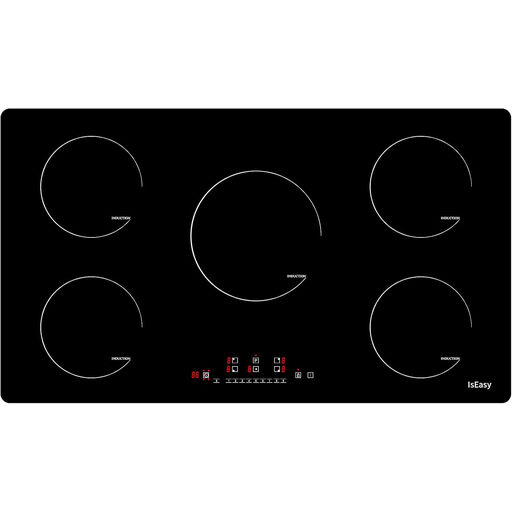 No image available
Five zones may suit households that use several pans at once and have enough space for a built-in hob.
Specifications in the product name: 90 cm, 8600 W, five zones and nine heat settings. Check that its width fits your kitchen plans.
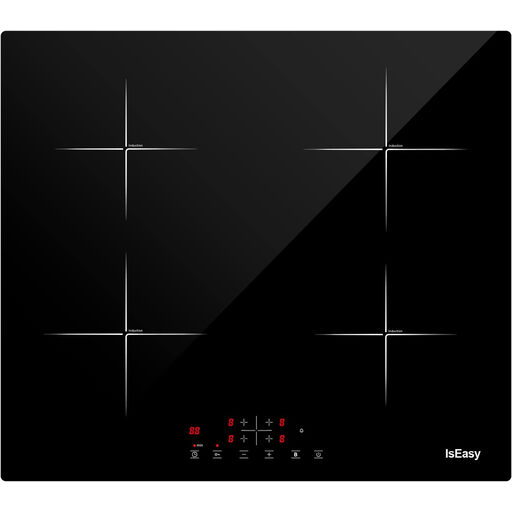 No image available
Four cooking zones give you space for several pans at once; compare the available space with the size of your pots and pans.
Specifications in the product name: 60 cm, 6800 W, nine power levels, a Boost function and a timer from 1 to 99 minutes. You’ll need a suitable space for a built-in hob.
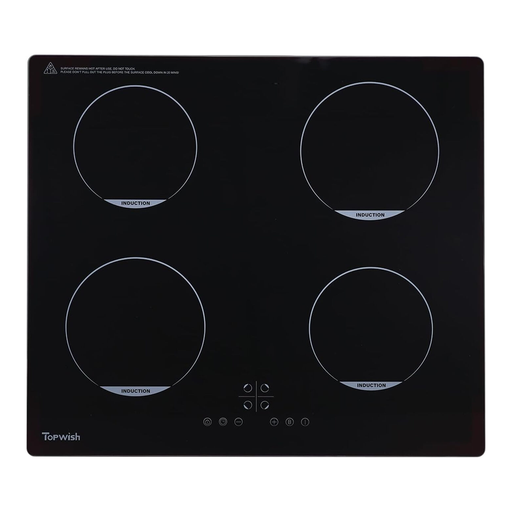 No image available
Four zones can give you space to cook several dishes at once, provided the available space and pan sizes are suitable.
The product description lists cooking zones with diameters of 160 mm and 180 mm. It also says the hob must be connected without a plug by a qualified electrician; check the connection requirements before buying.
Two separate zones may be enough for exactly two suitable pans. If you regularly need another frying pan or side dish, the built-in models described here, with four or five zones, give you more room to cook several things at once.
No. The pot must be induction-compatible, and its base shape and size must suit the zone you’re using. The German Federal Office for Radiation Protection also recommends using suitable cookware that is the right size, with magnetic field exposure in mind.
If the work involves the electrical installation, section 13 of Germany’s NAV applies. In general, it states that this work may only be carried out by the network operator or an installation company registered in a network operator’s directory of installers; the regulations list exceptions for certain maintenance work. Siemens says the EX675LXC1E must be connected by a qualified electrician.
No. According to the Verbraucherzentrale (consumer advice centre), the EU energy label for a cooker combination applies to the oven, not the hob. To estimate running costs, you’ll need consumption and electricity price figures that reflect how you use it.
It’s not possible to say in general whether a particular induction hob is suitable for you. The German Federal Office for Radiation Protection points out that the sensitivity of electronic implants depends on the appliance and its settings. Check the guidance from your implant manufacturer and discuss your individual circumstances with your healthcare professional.