What should you look for when buying?
Portable single hob
A good fit if: you’re cooking soup in one pot on a suitable clear surface. For the Rommelsbacher CT 2010/IN, the manufacturer specifies a cooking zone of 120 to 230 mm.
The trade-off: you only have one cooking zone. According to Rommelsbacher, the CT 2010/IN produces its lower power settings by switching on and off.
Portable double hob
A good fit if: you want to cook a side dish on a second zone while the soup is simmering. According to Caso Design, the Caso Touch 3500 has two independently controlled zones for cookware measuring 12 to 24 cm.
The trade-off: a double hob takes up more space. The Caso Touch 3500’s output of up to 3500 W is the combined power of both zones.
Built-in hob
A good fit if: you regularly use several pots and the cut-out and connection suit your chosen model. Bosch specifies four cooking zones for the PXX675DC1E, while Siemens specifies five for the EX975LXC1E.
The trade-off: the Bosch and Siemens models mentioned are supplied without a plug and, according to the manufacturers, must be connected by a qualified electrician.
For your soup pot, first check that the base is suitable and matches the cooking zone. Then decide whether you need a second zone. If you’re choosing a built-in hob, you’ll also need to check the dimensions and connection.
| What you need |
What to check when buying |
Who should pay particular attention? |
| A suitable soup pot |
Compare the pot’s suitability for induction and base diameter with the cooking zone of the specific appliance. |
If I want to use my existing soup pot for a meal with others, its base material and size need to match the cooking zone. Around 30% of consumers say pot compatibility is their main concern. |
| Gentle, controlled simmering |
Check the controls and how the specific model behaves at low settings. |
If you want to let the soup simmer gently after bringing it to the boil, don’t rely on the number of power settings alone. Around 30% of consumers prioritise control while simmering. |
| Soup and a side dish |
Check the number and controls of the cooking zones, as well as the stated total power for double hobs. |
If you want to cook a side dish at the same time as the soup, you’ll need a second usable cooking zone. Around 20% of consumers prioritise cooking two things at once. |
| Positioning and installation |
Check the available surface or recess dimensions, as well as the plug type and connection details for the specific model. |
If you’re planning a permanent hob, make sure the cut-out and installation are right for the appliance. Around 20% of consumers focus on installation and the associated work. |
Joybuy products for cooking
The appliances below include portable single and double hobs, as well as built-in hobs for preparing soup and a side dish.
 No image available
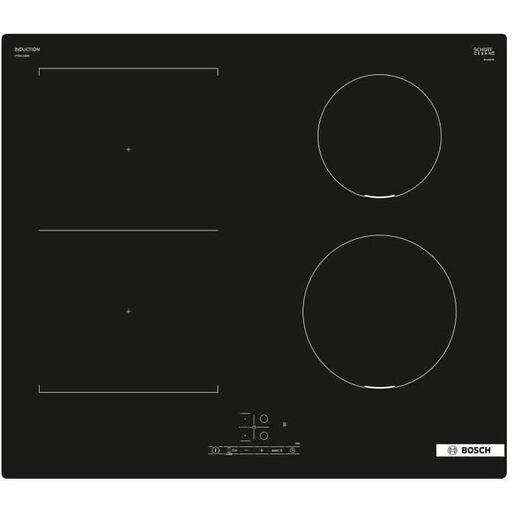
Bosch PVS611BB6E Series 4 induction hob, 60 cm
For several pots and pans; as a built-in appliance, the cut-out and connection need to suit your kitchen.
Four cooking zones, 6900 W and a timer.
According to the product details, installation should be carried out by a qualified electrician.
Joybuy
 No image available
Induction hob with IGBT technology, 3500 W
The product name describes an induction hob with a timer function.
Eight temperature settings; the stated power range is 800 to 3500 W.
Joybuy
 No image available
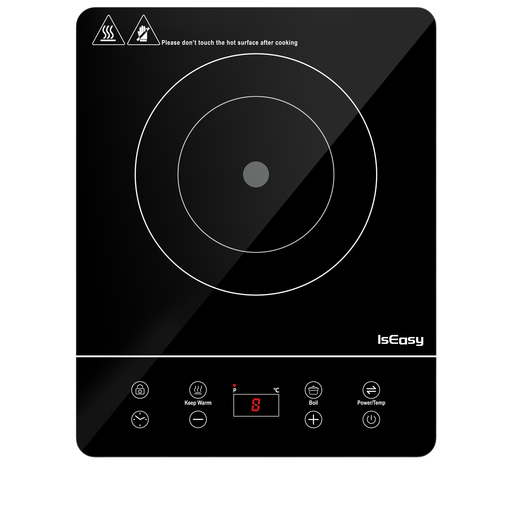
IsEasy single induction hob, 2100 W
A portable single hob for cooking soup on one zone.
One cooking zone, nine power settings, nine temperature settings and an 8-hour timer.
The product name also specifies 28 cm, a child lock and 220–240 V.
Joybuy
 No image available
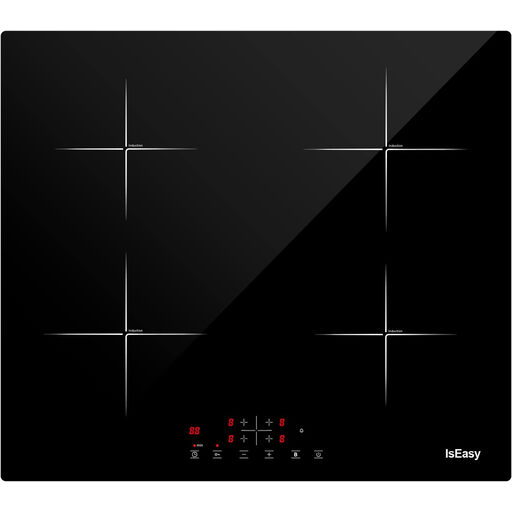
IsEasy built-in induction hob, four zones, 60 cm
Four cooking zones offer space for several pots and pans. Check the dimensions and connection requirements before installation.
6800 W, nine power settings and a timer from 1 to 99 minutes.
The product name also specifies a boost function.
Joybuy
 No image available
Portable induction hob with two cooking zones
Two cooking zones for a meal where soup and a side dish are prepared at the same time.
The product name specifies five temperature settings, as well as simmering and slow cooking over a low heat as recommended uses.
Joybuy
Frequently asked questions
How can I tell whether my soup pot is suitable for induction?
The pot needs a base made from a suitable, induction-compatible material, and its diameter must match the cooking zone of the specific appliance. The German Federal Office for Radiation Protection notes that unsuitable, uneven or incorrectly sized cookware can also affect magnetic fields near the appliance.
Can I connect a built-in hob to the mains myself?
For the Bosch and Siemens models mentioned here, the manufacturers specify a connection without a plug and say that it must be connected by a qualified electrician. Section 13(2) of the NAV sets out who is permitted to carry out work on electrical installations; a portable hob with a plug isn’t the same as a fixed connection of this kind.
Is a keep-warm setting enough if I’m eating the soup later?
A keep-warm setting doesn’t prove that the soup has reached the required temperature throughout. The German Federal Institute for Risk Assessment recommends keeping heated food at a minimum of 60 °C throughout until it is eaten. If needed, check the temperature of the food itself.
What should I know if I have a pacemaker?
The German Federal Office for Radiation Protection notes that electric and magnetic fields can affect electronic implants, and that your treating doctor must assess your individual risk of interference. A general recommendation about hobs therefore can’t confirm that one is safe for you personally.
What should I know about energy ratings and my rights after buying?
According to the German consumer advice centre, there’s no EU energy label for hobs; for a combined cooker, the label applies to the oven. If a product is faulty, your statutory rights against the seller are separate from any voluntary guarantee. Online purchases generally come with a 14-day right to cancel, subject to the circumstances of the individual case.


