What should you look for when buying?
First decide how you’ll handle portions that are being eaten later. Then compare the cooking zones you need and check that the connection and installation dimensions are right for your kitchen.
| Consideration |
What to check before buying |
Who is it important to? |
| Handling soup between meals |
Check the lower power settings and whether the hob has a keep-warm function. When keeping food hot, the German Federal Institute for Risk Assessment recommends a temperature of at least 60 °C throughout; check the temperature of the soup to make sure. |
If I’m keeping soup for later, I want to know whether I should keep it hot or refrigerate it and reheat it later. Around 33% of consumers consider keeping food hot their top priority. |
| Room for additional pans |
Compare the number and layout of the zones with your cookware. Check the details for the specific model to see whether it has flexible zones. |
If there are other pans on the hob alongside the soup pot, they all need to fit on suitable zones at the same time. Around 27% of consumers prioritise cooking several dishes at once. |
| Plug-in or built-in |
Check the connection type in the model documentation. Consider whether two cooking zones are enough for the way you cook. |
If I’m not planning a built-in installation, it’s important to me that a plug-in appliance is suitable for my kitchen. Around 20% of consumers prioritise plug-in use. |
| Suitability for your kitchen and connection |
Compare the cut-out, worktop and connection specifications with the details for the exact model. Any work required on the electrical installation must comply with § 13 NAV. |
If I’m choosing a built-in hob, the cut-out and connection must suit my existing kitchen. Around 20% of consumers prioritise how well the hob fits their kitchen. |
Joybuy products for different cooking needs
The Joybuy products below include built-in hobs, compact two-zone hobs and portable hobs. Compare the number of zones and connection type with the way you cook and your kitchen.
 No image available
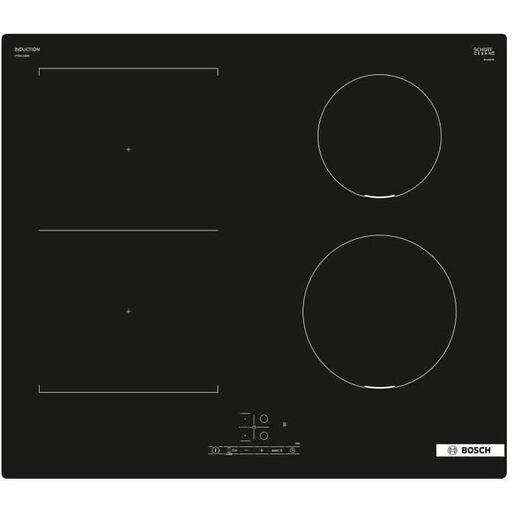
Bosch PIE61RBB5E Series 4
With four zones, this built-in hob gives you room to cook with several pans at once.
Four cooking zones in different diameters, 17 power levels, PowerBoost, QuickStart and a timer with automatic switch-off.
Any work required on the electrical installation must comply with § 13 NAV.
View at Joybuy
 No image available
Bosch PVS611BB6E Series 4
The four cooking zones are ideal if you want to prepare soup and other dishes at the same time.
60 cm, 6.900 W, four cooking zones, timer with automatic switch-off, PowerBoost and restart function.
Any work required on the electrical installation must comply with § 13 NAV.
View at Joybuy
 No image available
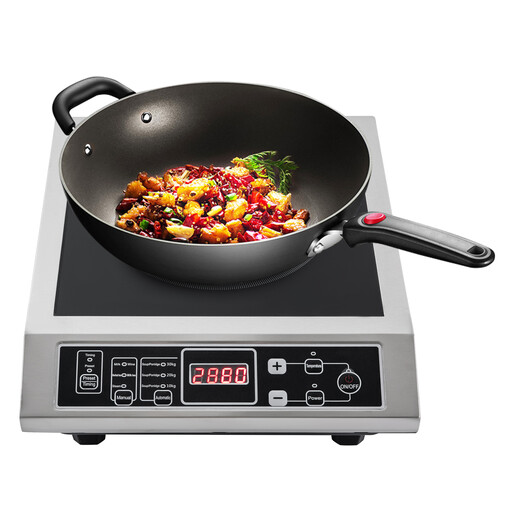
Portable induction hob, 3.500 W
This portable option is worth considering if you’re looking for a hob without a planned built-in installation.
Eight power levels, 800–3.500 W, timer, automatic pan detection and overheating protection.
The product description lists cast iron and stainless steel cookware as compatible.
View at Joybuy
 No image available
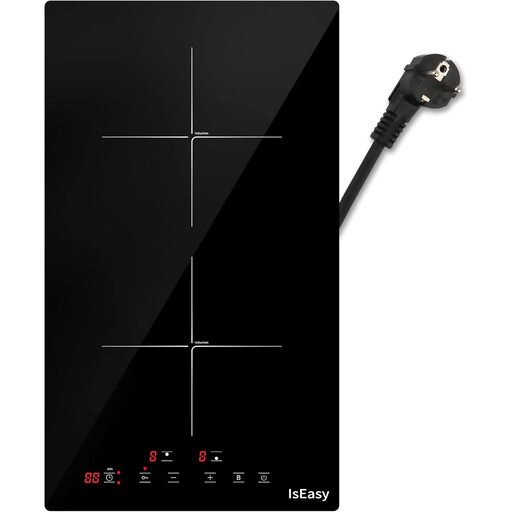
IsEasy Domino, two zones, 3.400 W
Two cooking zones may be enough for a soup pot and another pan. Check first that the stated design is suitable for your kitchen.
29,5 cm, nine heat settings, timer, child lock and booster function.
View at Joybuy
 No image available
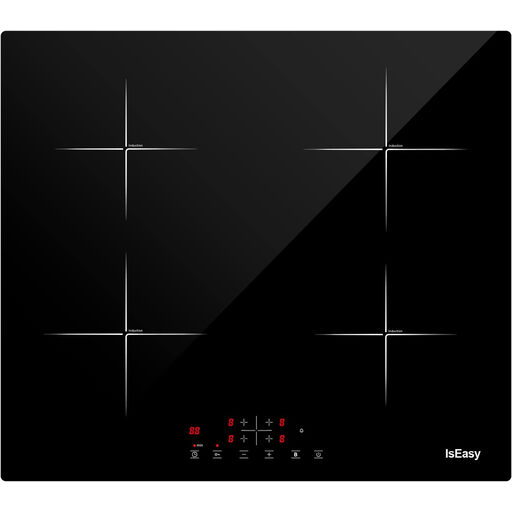
IsEasy built-in induction hob, four zones
Four independent cooking zones are designed for using several pans at the same time.
60 cm, 6.800 W, nine power levels and a timer from 1 to 99 minutes.
Any work required on the electrical installation must comply with § 13 NAV.
View at Joybuy
Frequently asked questions
Is the keep-warm function enough to keep soup safely hot until the next meal?
No. The name of the function doesn’t tell you what temperature the soup reaches. If you’re keeping the soup hot, the German Federal Institute for Risk Assessment recommends a temperature of at least 60 °C throughout. This is expert guidance, not a statutory minimum temperature for private households claimed here.
What can I do if the next portion won’t be eaten until much later?
Plan to refrigerate it and reheat it later, rather than leaving it out unattended. The German Federal Institute for Risk Assessment recommends keeping leftovers chilled. Larger amounts can be divided into shallow containers to help them cool more quickly.
Can I connect a built-in induction hob to the electricity supply myself?
If this requires work on the electrical installation, § 13 para. 2 NAV states that it may only be carried out by the network operator or an installation company listed in its register of installers. If you have an appliance that is specifically described as plug-in, follow its installation and operating instructions too.
Do I need to replace my existing soup pans?
Not necessarily. Check that the pan bases are suitable for induction and fit the cooking zones on the hob you choose. Induction zones require cookware with a magnetic base.
How should I clean the hob if soup has boiled over?
Follow the care instructions for your specific model and let the hob cool before cleaning it. For the LAGAN model reviewed here, IKEA advises against using steel wool, scouring powder or hard or sharp utensils. It recommends using a soft cloth with mild detergent.


