Batch-cooking stew
If you mainly prepare several lunch portions in one pan, a suitable cooking zone, a compatible pan base and easy-to-control cooking steps are usually more important than having lots of cooking zones.


If you mainly batch-cook a pot of sauerkraut stew for several lunches and aren’t planning to renovate your kitchen, first consider a portable single-zone hob and check that your pan base suits the cooking zone. A built-in hob may make sense if you regularly cook side dishes at the same time or are replacing a hob anyway; the cut-out and connection must match the specific model. Power settings and an automatic shut-off timer can help you plan your cooking, but they’re no substitute for keeping an eye on food as it simmers or cooling portions safely.
If you mainly prepare several lunch portions in one pan, a suitable cooking zone, a compatible pan base and easy-to-control cooking steps are usually more important than having lots of cooking zones.
A portable single-zone hob is worth considering if you need an extra or temporary cooking spot but don’t want to install a built-in hob just for one pot of stew.
If you regularly cook side dishes or other meals alongside your stew, having several cooking zones you can use at the same time may be important. Flexible zones are only useful if they suit the pans you use.
| Consideration | What to check before buying | Who is this most important for? |
|---|---|---|
| Pan compatibility and simmering | Check that the pan base, pan diameter, cooking zone size and power controls are compatible. | If I batch-cook several portions in one pan, I want to be sure the pan and zone are a good match and that I can control the heat easily. Around 33% of consumers say pan compatibility and simmering control are their main concerns. |
| Space and connection | For built-in appliances, check the niche dimensions and connection type for the specific model; for portable hobs, consider the available surface and pan size. | If space in my kitchen is limited or I’m not planning a built-in installation, I need a hob that suits the space and connection I already have. This fit is a priority for around 27% of consumers. |
| Cooking at the same time | Compare the number and layout of the cooking zones with the bases of the pans you actually use. | If I want to cook stew and side dishes at the same time, what matters to me is whether there’s room for several suitable pans. Around 20% of consumers prioritise this. |
| Cooking routine and storage | Know the difference between a signal and automatic shut-off; plan portioning, cooling and transport separately from cooking. | If I’m making portions for several working days, I want to plan the cooking steps and organise storage too. Around 20% of consumers see an easy-to-manage routine as their main concern; the BfR points out that inadequate temperatures during storage and transport can allow harmful bacteria to multiply. |
Even appliances with a similar width can have different built-in dimensions. So a model won’t necessarily fit every existing cut-out.
Before ordering, compare the worktop and cut-out measurements, as well as the connection details, with the documentation for the specific model.
A bridge function connects cooking zones for larger compatible pans. On its own, it doesn’t offer any extra benefit for a standard round stew pan.
Before choosing flexible zones, compare their layout with the bases of the pans you actually use.
A timer can end a cooking step, but it doesn’t ensure that finished portions are handled properly. Storage and transport need to be planned separately.
After cooking, organise portioning and cooling as separate steps; a signal or the cooking zone switching off won’t do this for you.
A portable single-zone hob can provide an extra cooking spot for a stew pan.
The built-in models mentioned differ in width and number of cooking zones.
The TO64IM0FXB is an example of a built-in hob with zones that can be connected.
The PIE61RBB5E is a built-in hob with standard cooking zones.
The T66SHX4L0 is a built-in option with flexible cooking zones.
The products below include portable single-zone hobs for one pan, as well as built-in hobs for cooking several dishes at once. The key things to check are whether your pans are compatible and, for built-in appliances, whether the specific model’s dimensions and connection suit your kitchen.
 No image available
Described as a portable single-zone hob for one pan, if you want to cook without a built-in appliance.
The description lists eight temperature and power settings, settings from 80 °C to 270 °C and a timer of up to three hours. Cast iron and stainless steel cookware are listed as compatible; check the instructions for your pan.
 No image available
This portable single-zone hob suits a cooking routine where you use an extra or temporary cooking spot for one pan.
Features listed include nine heat settings, touch controls and an 8-hour timer. The description lists magnetic cookware measuring 12–26 cm as compatible; check this range against your pan base.
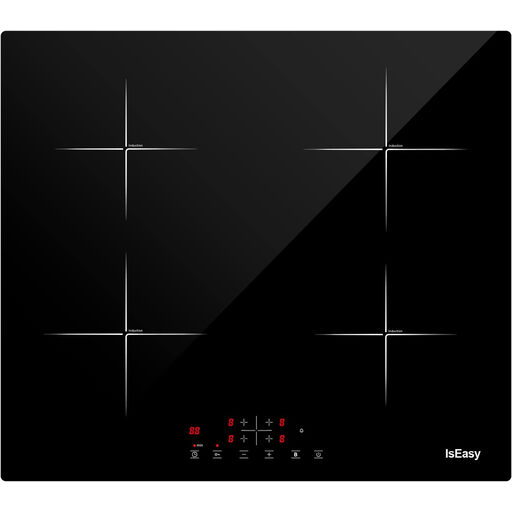 No image available
Four independent cooking zones offer a way to prepare stew and other dishes at the same time, provided your pans and kitchen space are a good fit.
The specifications list 6800W, nine power settings, a 1–99-minute timer and a boost function. Compatible ferromagnetic cookware is specified for use.
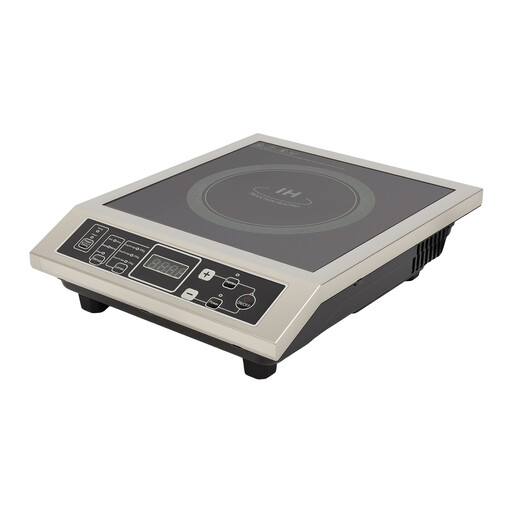 No image available
Described as a portable tabletop hob for cooking a pan of food without a built-in appliance.
The product name lists ten power settings, a timer, a preset function, an EU plug, IPX4 and a load capacity of 50kg. Before use, check the manufacturer’s guidance for your chosen location and pan.
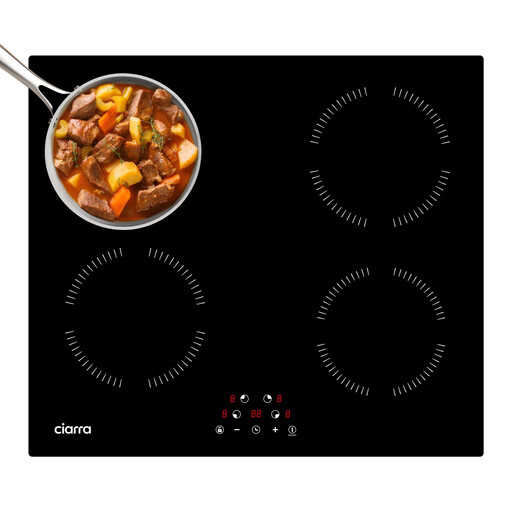 No image available
Four cooking zones may suit your everyday cooking if you want to prepare stew and side dishes at the same time.
The model is listed with nine power settings and a child lock. Also specified are a 560 × 490 mm cut-out, a 32-A fuse and installation by a qualified electrician. Magnetic cookware with a flat base is listed for use.
It depends on whether the pan base is suitable for the specific model and matches the cooking zone. For the CTS 2000/IN, Rommelsbacher specifies a ferromagnetic base and a cooking zone with a diameter of 145–220 mm. Compare the base measurements with the appliance specifications and check the instructions.
If the manufacturer says a model is designed to be connected by a qualified electrician and doesn’t come with a plug, you shouldn’t treat connecting it like plugging in a portable hob. Siemens gives this guidance for the EU611BEB6E. Where work on the electrical installation falls under section 13 of the Low Voltage Connection Ordinance (NAV), it may generally only be carried out by the network operator or an installation company registered in its installers’ directory; statutory exceptions still apply.
Plan portioning, cooling and transport separately from cooking. The Federal Institute for Risk Assessment points out that inadequate temperatures during storage and transport can allow harmful bacteria to multiply. An automatic shut-off timer doesn’t manage storage.
Check this for the specific appliance and the seller you’re buying it from. For the TO64IM0FXB, AEG lists installation and connection services and an extended warranty as separate options. The Verbraucherzentrale distinguishes between your statutory rights against the seller and a voluntary guarantee.