Joybuy Insights

Induction Pans: Your 2026 Buying Guide – How to Avoid Costly Mistakes

Buying a new pan for your induction hob seems straightforward, but the market is flooded with promises that often don't hold up in practice. Many buyers only discover after a few months that their new pan heats unevenly, the coating is peeling, or the base has warped. The result is not just frustration in the kitchen, but also wasted money.

As your Joybuy Product Recommendation Officer, I'm here to help you identify these common pitfalls. Instead of falling for marketing buzzwords, we'll focus on the crucial technical features that define a great induction frying pan.

The 3 Most Common Pitfalls When Buying Induction Pans:

  1. The "Induction-Ready" Deception: Just because a pan is advertised as "induction-compatible" doesn't mean it heats efficiently. Models with a base that is too thin or not fully ferromagnetic will heat up slowly, unevenly, and often produce an annoying buzzing sound.
  2. The Short-Lived Coating: Many non-stick coatings, even if labelled as PFOA-free, quickly lose their effectiveness due to improper use or low-quality materials. Scratches and peeling layers render the pan unusable and are a common reason for a premature replacement.
  3. The Mismatched Base: A commonly overlooked mistake is a pan base whose diameter doesn't match the size of the cooking zone. If the base is too small or too large, energy is wasted and the food cooks unevenly.

What Really Matters: The Core Features of a Solid Induction Pan

To make an informed decision, you should check three technical aspects before you add a pan to your cart.

1. The Pan's Base: The Heart of Efficiency

For an induction pan, the base is the most critical component. The induction hob generates a magnetic field that only produces heat in a ferromagnetic material.

  • Material: The base must be made of a ferromagnetic material like iron or special stainless steel. A simple test: if a magnet sticks to the base of the pan, it is fundamentally suitable.
  • Thickness and Construction: A thick, multi-layered base (often called a "sandwich" base) retains heat better and distributes it more evenly. This prevents hot spots where food burns while it's still raw in other areas. A perfectly flat base is essential for full contact with the cooking surface.

2. Material and Coating: A Matter of Cooking Style

The choice of material and coating depends directly on what you plan to cook.

  • Stainless Steel Pan (Uncoated): Ideal for searing at high temperatures, for example, for steaks or fried potatoes. It is extremely durable and robust but requires a bit of practice and more fat to prevent sticking.
  • Coated Induction Pan: The right choice for delicate foods like fish, eggs, or vegetables. Modern coatings are often PFOA-free.
    • PTFE Coatings (known by brand names like Teflon): Offer excellent non-stick properties but are sensitive to scratches and overheating.
    • Ceramic Pan: A popular alternative. It is often harder and more heat-resistant than PTFE but can lose its non-stick properties more quickly with improper use.

3. Practical Features: Oven Safety and Size

Two other features determine your pan's versatility in the daily kitchen routine.

  • Oven-safe: A pan declared as oven-safe greatly expands your cooking options, for instance, for browning toppings or keeping food warm. The handle material is the deciding factor here. Handles made of stainless steel or cast iron are typically highly heat-resistant, while plastic handles severely limit the oven-safe temperature (often only up to approx. 70°C).
  • Size: A 28 cm pan is a versatile all-rounder for most households. Smaller pans (20-24 cm) are suitable for single servings or fried eggs, while large sauté pans (32 cm and up) are practical for families or cooking for guests.

Our 2026 Picks for Different Needs

Here are a few models that represent a considered choice for specific user profiles, based on their objective features.
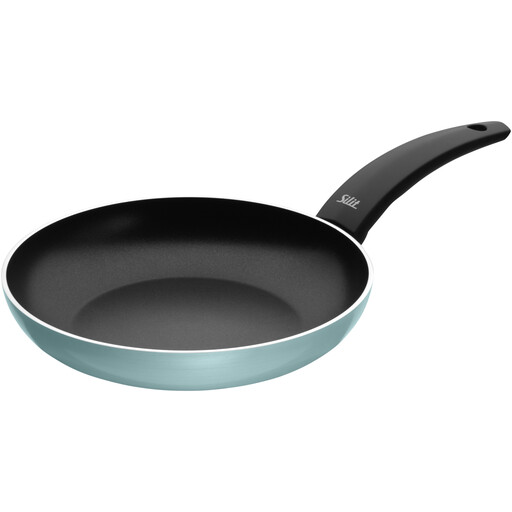
IDEAL FOR: THE EVERYDAY PRAGMATIST
Silit Belluna Frying Pan, 24 cm

Silit Belluna Frying Pan, 24 cm

Why it's a good fit: Ideal for quick, straightforward daily meals. The pan is lightweight, heats up fast thanks to its aluminium body, and the Silitan non-stick coating facilitates low-fat cooking of eggs or vegetables, as well as easy cleanup.

How it avoids the pitfall

The base construction is designed for even and rapid heat distribution, counteracting the 'inefficient induction' trap. The PTFE coating is known for its durability with proper care.

Key Advantage

Fast heat-up time and very easy handling due to its lightweight design. The plastic handle stays cool to the touch.
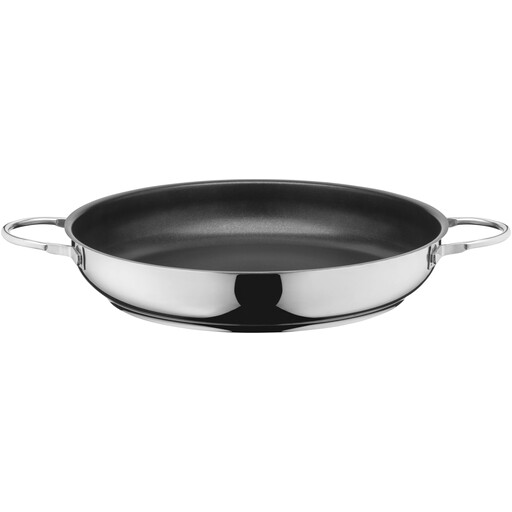
IDEAL FOR: THE AMBITIOUS HOME CHEF
Silit Calabria Sauté and Serving Pan, 32 cm

Silit Calabria Sauté and Serving Pan, 32 cm

Why it's a good fit: Perfect for those who love to braise, sear, and finish dishes in the oven, this is an ideal tool. The robust stainless steel body and high oven-safe temperature make it extremely versatile. With a 32 cm diameter, it's also suitable for larger portions.

How it avoids the pitfall

The Silitherm universal base ensures long-lasting heat retention, and the robust 18/10 stainless steel body is built for durability. This counters the pitfall of short-lived pans.

Key Advantage

Extremely oven-safe up to 260°C and space-saving in the oven and for serving, thanks to its side handles.
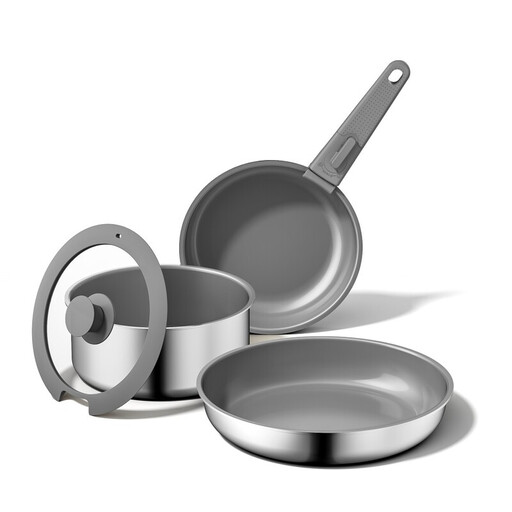
IDEAL FOR: THE SPACE-SAVING ORGANISER
naturepan 5-piece Ceramic Cookware Set

naturepan 5-piece Ceramic Cookware Set

Why it's a good fit: For kitchens with limited storage space, in an RV, or for anyone who values organisation. The detachable handle allows the pots and pans to stack neatly to save space. This induction pan set covers a variety of cooking needs.

How it avoids the pitfall

This set solves a practical problem that goes beyond pure cooking performance: storage. The Diamond-Titanium ceramic coating is a robust alternative to standard PTFE, and the three-layer stainless steel base ensures good thermal performance.

Key Advantage

Extremely space-saving thanks to the detachable handle and stackable design. The set is also oven-safe (up to 250°C without the handle) and dishwasher-safe.

Looking for More Options?

We have compiled a complete, up-to-date list of products that fully meet these strict selection criteria and German safety regulations.

Frequently Asked Questions (FAQ)

How can I tell if a pan is suitable for induction?

The quickest method is the magnet test: hold a standard magnet to the bottom of the pan. If it sticks firmly, the base is ferromagnetic and therefore suitable for induction. Additionally, induction-compatible pans have a symbol resembling a coil on the base or packaging.

How do I extend the life of my non-stick frying pan?

Avoid these three common mistakes:

  1. Overheating: Never heat the pan empty on the highest setting.
  2. Wrong Utensils: Only use cooking utensils made of wood, silicone, or plastic. Metal utensils will scratch the coating.
  3. Harsh Cleaning: Even if many pans are listed as dishwasher-safe, hand-washing with a soft sponge and mild dish soap is gentler and significantly prolongs the life of the non-stick coating.

Why does my pan buzz on the induction hob?

A quiet hum or buzz can be normal, especially at high power. However, loud or vibrating noises often indicate a problem. The most common causes are:

  • The pan's base is not perfectly flat and isn't making full contact.
  • The pan's diameter doesn't optimally match the size of the cooking zone.
  • The pan is made of multiple layers of material that vibrate differently when heated. A high-quality, solid base minimises this noise.