
Lieferung heute & morgen

Qualitätsgarantie

Willkommens-Angebote freischalten: KOSTENLOSE Lieferung | Bis zu 80 % RABATT | Kostenlose 30-Tage-JoyPlus-Testphase
App herunterladen
A high-quality stainless steel pan is a long-term investment, especially for an induction hob where precise heat control is crucial. However, the market is flooded with models whose marketing promises often fall short in practice. Many ambitious home cooks face the same disappointments: uneven cooking results, coatings that wear out quickly, or handles that can't withstand oven heat.
This guide focuses on the technical details that separate a durable pan from a short-lived one. We highlight the most common pitfalls and show you which objective criteria to consider before buying to make an informed decision.
Before we dive into the key features, here are two widespread problems that lead to frustration and wasted money:
To avoid these problems, you should check three core technical parameters. These determine the performance, durability, and versatility of your future stainless steel frying pan.
Heat conduction is paramount for a pan for induction. There are fundamentally different designs here:
The choice of surface depends directly on your cooking style.
The type of pan should match your favourite dishes.
Here are some models that represent a considered choice for different user profiles based on their technical specifications.
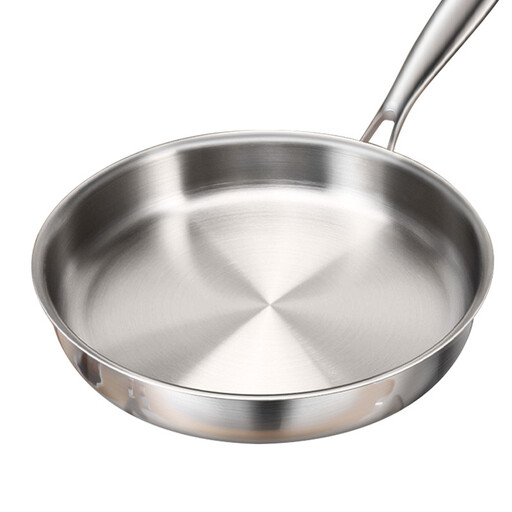
Why it's a match: This model is designed for users who value precise cooking results. The uncoated surface is ideal for searing meat and vegetables and offers maximum durability without a coating to wear out.
The full tri-ply construction (stainless steel-aluminium-stainless steel) ensures even heat distribution right to the rim, preventing the typical hot spots found in pans with simple encapsulated bases.
Excellent heat control and warp resistance, even with major temperature fluctuations. The pan remains flat on the induction cooktop.
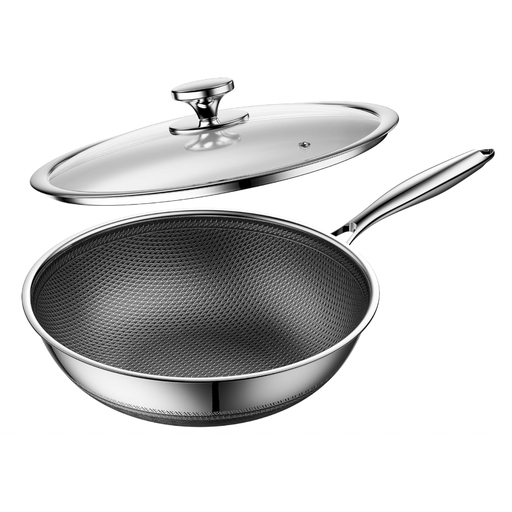
Why it's a match: Ideal for fans of Asian cuisine and anyone looking for a versatile, deep pan. The hybrid technology offers non-stick properties without the drawbacks of conventional coatings.
Its high oven-safe temperature of up to 260°C (500°F) is clearly specified, surpassing many competitors whose handles are often the weak point. It is also explicitly declared as PFAS-free.
Combines the heat resistance of stainless steel with the non-stick properties of a ceramic coating. The tri-ply construction ensures fast, even heat.
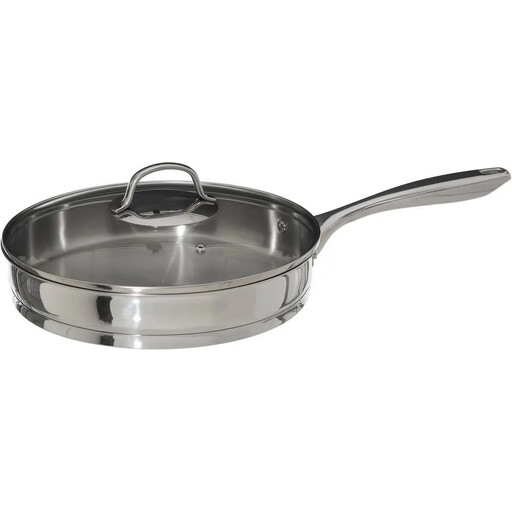
Why it's a match: A practical all-round solution for daily use. The high sides and included glass lid make it the ideal sauté pan for sauces, ragouts, and vegetable dishes.
This model focuses on functionality rather than exaggerated claims. The 2-layer non-stick coating is presented for what it is: a practical aid for daily use, not an indestructible miracle weapon.
High versatility thanks to its high sides and glass lid. Suitable for all hob types, including induction, and dishwasher-safe for easy cleaning.
We have compiled a complete, up-to-date list of products that fully meet these strict selection criteria and safety standards.
1. Do I need to season an uncoated stainless steel pan? No, traditional seasoning like with cast iron or carbon steel pans is not necessary. However, it is advisable to clean the pan thoroughly before its first use. To minimise sticking, preheat the pan over medium heat, then add oil or fat, and only add the food once the fat is at the right temperature (it should shimmer slightly).
2. How do you clean a stainless steel pan with burnt-on residue? Let the pan cool down a bit after use. Then add warm water and a drop of washing-up liquid and let it soak for a short while. Stubborn residue can often be loosened by briefly boiling water in the pan. For tougher crusts, a paste of baking soda and water or a special stainless steel cleaner can be used. Avoid steel wool, as it can scratch the surface.