If you often toast small quantities of spices, an induction hob with a small zone that suits your pan is a straightforward choice, provided your cookware is induction-compatible. If you want to keep a pan that isn’t suitable for induction, a radiant ceramic-glass hob could be an option; pay particular attention to residual heat. In either case, using medium heat, moving the spices around the pan and taking them off the heat in good time matter more than a high boost setting. Before installation, make sure the cut-out and electrical connection are suitable for the specific model.
Which hob is right for you?
For frequent spice toasting
If you regularly toast small quantities, look for a cooking zone that suits the base of your pan and controls that are easy to reach. Brecht recommends using medium heat; visible smoke is a warning sign that the spices may already be getting too hot.
For keeping your existing pan
If you want to keep your current pan, check whether its material is suitable for induction and whether its base fits the cooking zone before making your choice. Germany’s Federal Office for Radiation Protection explains the cookware requirements for induction hobs; HEA also highlights how an uneven pan base affects heat transfer.
For planning a new installation
If you’re planning a new worktop and electrical connection, check the dimensions and connection details of the specific model against your kitchen plans. HEA recommends leaving the fixed connection of a hob to a registered electrical installer.
What should you look for when buying?
Induction hob
A good fit if: You have or plan to buy a suitable pan, and the cooking zone matches its base.
Consider: You won’t be able to use cookware that isn’t induction-compatible.
Radiant ceramic-glass hob
A good fit if: You want to keep using a pan that isn’t suitable for induction, and its base matches the cooking zone.
Consider: The heated zone can continue to give off heat after you turn it down, so you’ll need to pay attention while toasting.
| Priority |
What to check when buying |
Who is this especially important to? |
| Controlling heat while toasting |
Power controls and a cooking zone that suits the base of your pan. |
When I toast small quantities of spices, I want to control the heat carefully and keep an eye on the pan. For around 33 % of consumers, controllable heat is the top priority. |
| Using an existing pan |
Induction compatibility, a flat pan base and a suitable cooking zone. |
If I want to keep my pan when I update my kitchen, it needs to be compatible with the hob technology I choose. Around 27 % of consumers prioritise continuing to use their existing cookware. |
| Planning installation and connection |
Check the dimensions and connection details of the specific model against your kitchen plans. |
If I’m making new decisions about my worktop and electrical connection, the appliance and installation need to be compatible. For around 20 % of consumers, installation and connection planning are the main priorities. |
| Everyday use |
Residual heat indicator and manufacturer’s instructions; use hob information rather than the oven label when comparing energy consumption. |
After toasting, I want to know whether the surface is still hot and be able to make sense of running costs. Around 20 % of consumers focus on operation and safety. |
Avoid common buying mistakes
-
Assuming “Ceran” means the opposite of induction
The surface name alone doesn’t tell you whether a hob uses induction or a heating element beneath the surface. That determines whether your pan is suitable for the technology you choose.
Check the technical specifications for the hob type itself, rather than relying on the name of the surface.
-
Assuming a higher boost setting means better toasting
Whole spices can burn quickly if they’re heated too intensely or for too long. A high maximum power setting is no substitute for medium heat, moving the spices around and taking them off the heat in good time.
Give more weight to a suitable pan size and easy-to-reach power controls than to maximum heating power alone.
-
Comparing only the stated width
Models with a similar width can have different cut-out dimensions, connection ratings and plug types. These need to suit your planned worktop and electrical installation.
Before ordering, check the details for the exact model against your kitchen plans and the electrical contractor carrying out the work.
Depending on the work involved, you may need to make changes to the worktop or electrical installation; the amount of work depends on the conditions at your property.
-
Using the energy label for a cooker set as proof of hob energy consumption
According to the Verbraucherzentrale (consumer advice centre), the figures on an oven’s EU energy label do not apply to the hob.
If electricity consumption influences your decision, compare figures that specifically relate to hobs and were measured under suitable conditions.
Hob brands to consider
Bosch
The German product pages show both induction and radiant built-in hobs. This can make it easier to compare different types of hob within the same brand.
- For the PIE611BB5E induction model, Bosch lists four round cooking zones, including one with a diameter of 14,5 cm, as well as TouchSelect.
- The PKN645BA2E electric hob also has a 14,5-cm zone, but uses a different heating technology. The manufacturer’s specifications don’t guarantee any particular toasting result.
Siemens
The ET645HN17E is a radiant electric built-in hob, if you don’t require induction.
- Siemens lists four cooking zones, including one with a diameter of 14,5 cm, as well as touchControl.
- According to the product information, it doesn’t have a frying sensor; the listed features don’t demonstrate measured superior performance when toasting.
Electrolux
The CIB60424CK is a standalone induction model that could work as a built-in option if the cooking zone sizes and connection rating suit your kitchen plans.
- Electrolux lists two cooking zones measuring 145 mm and a connection rating of 3000 W.
- The model is listed without a mains plug. Check the installation requirements and simultaneous power demands for your particular setup.
Miele
The product pages show the KM 6520 FL, an electric hob that works independently of an oven, and the wider KM 7174 FR induction hob with PowerFlex areas.
- The two models illustrate different choices in hob technology and installation.
- According to the manufacturer, the KM 7174 FR is 806 mm wide, so you’ll need to allow enough space. You can’t compare the models for toasting performance based on brand or features alone.
Hobs available at Joybuy
This selection features built-in induction hobs for kitchen renovations. Before buying an induction hob, check that your pan is suitable and fits the cooking zone you plan to use.
 No image available
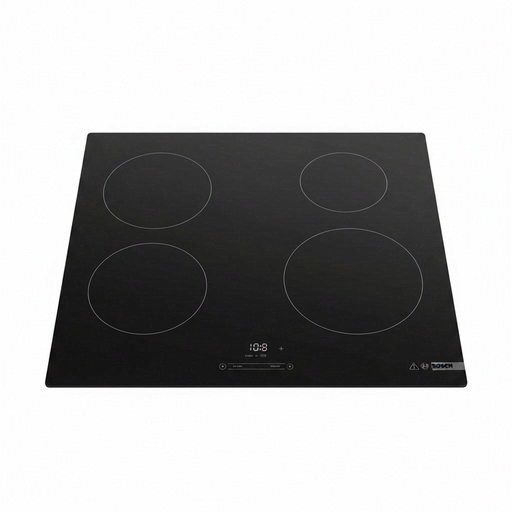
Bosch PIE61RBB5E Series 4 induction hob
Could suit you if you use a small induction-compatible pan and want to adjust the power levels while toasting.
The product description lists a 145-mm zone, 17 power levels, TouchSelect, a timer and a residual heat indicator. Induction requires suitable cookware; according to the description, installation should be carried out by a qualified electrician.
Joybuy
 No image available
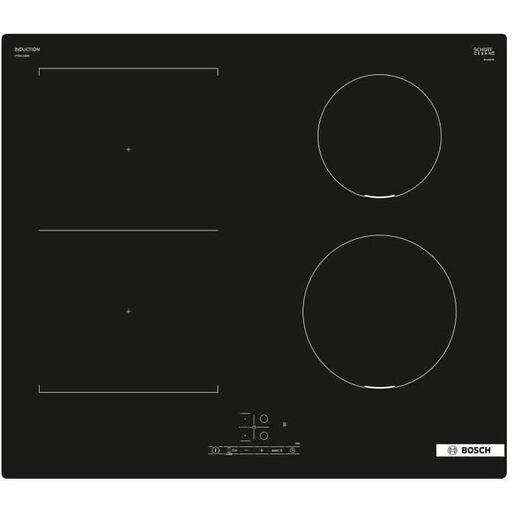
Bosch PVS611BB6E Series 4 induction hob, 60 cm
An option if you’re planning a 60-cm built-in hob with several cooking zones and use induction-compatible cookware.
The product description lists four cooking zones, 6900 W, TouchSelect and a timer with automatic switch-off. According to the description, installation should be carried out by a qualified electrician.
Joybuy
 No image available
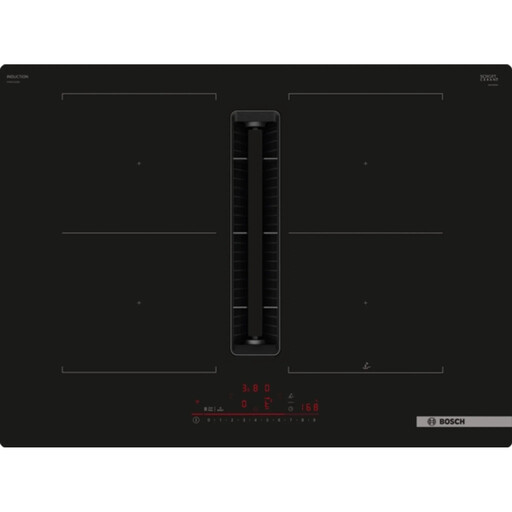
Bosch PVQ711H26E Series 6 induction hob with integrated extractor, 70 cm
Could suit a kitchen design that includes a hob with an integrated extractor.
The product description lists four cooking zones, 17 power levels, DirectSelect and CombiZone. Induction requires suitable cookware; follow the model specifications for installation and the cut-out.
Joybuy
 No image available
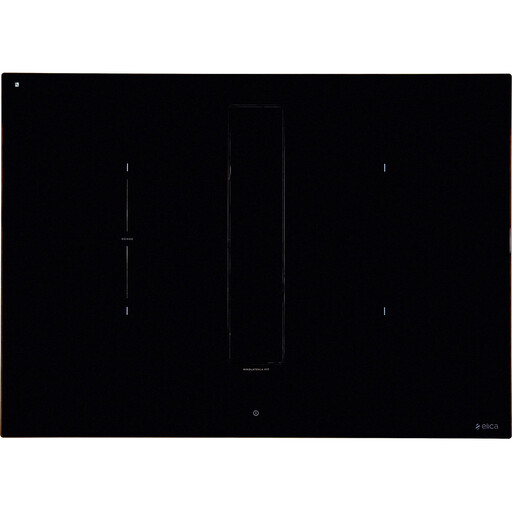
Elica NikolaTesla Fit induction hob with integrated extractor, 72 cm
Could suit you if you’re planning a built-in hob with an integrated extractor and a smaller induction zone for a suitable pan.
The product description lists a 160-mm zone, nine power levels plus an intensive setting, and a touch slider. Induction-compatible cookware is required; according to the description, professional installation is necessary. Additional ducting parts are required for ducted extraction.
Joybuy
 No image available
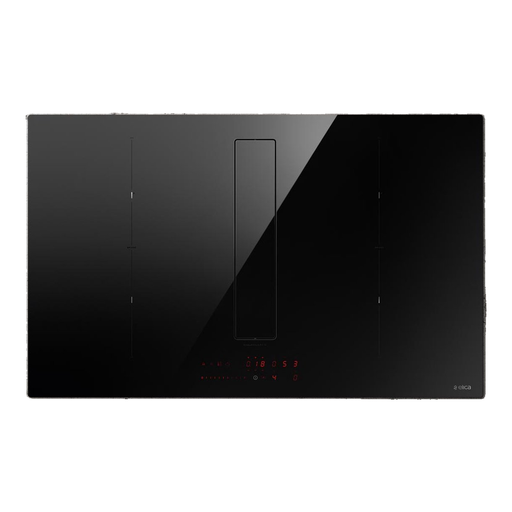
Elica NikolaTesla Fit XL induction hob with integrated extractor, 83 cm
An option if you want to include a wider built-in hob with an integrated extractor in your kitchen plans.
The product description lists an 83 cm width, four induction zones, nine power levels plus Boost, a touch slider and a power limiter. Induction-compatible cookware is required; follow the model specifications for installation and the worktop cut-out.
Joybuy
Frequently asked questions
How do you toast whole spices on your new hob?
Toast them in a dry pan over medium heat, keep them moving and take them off the heat as soon as they become fragrant. Brecht points out that visible smoke usually means the spices have already been heated too intensely or for too long.
Can I use a small pan I already own on an induction hob?
Only if its material and base are suitable for induction and the pan fits the cooking zone. Check the pan’s markings and the hob’s requirements; a flat base also helps ensure even heat transfer.
Can I connect a built-in hob that requires a fixed connection myself?
HEA recommends using an electrical installer registered with the energy supplier for a fixed connection. Under § 13 NAV, work on the electrical installation may generally only be carried out by the network operator or an installation company registered in a network operator’s installers’ register. Have a qualified professional check the specific installation; an appliance explicitly designed to plug in is a separate case.
What if I have a pacemaker or another electronic implant?
Germany’s Federal Office for Radiation Protection notes that electric and magnetic fields can affect implants. Discuss possible induction hob use with your treating healthcare provider and the implant manufacturer rather than treating general guidance as personal medical clearance.
Is a manufacturer’s guarantee the same as your statutory rights?
No. Your statutory rights are legal claims against the seller if a product is faulty; a guarantee is an additional voluntary service with its own terms and conditions. The Verbraucherzentrale (consumer advice centre) recommends treating guarantee terms and statutory rights separately.


