
Lieferung heute & morgen

Qualitätsgarantie

Willkommens-Angebote freischalten: KOSTENLOSE Lieferung | Bis zu 80 % RABATT | Kostenlose 30-Tage-JoyPlus-Testphase
App herunterladen
An industrial shelf is more than just a storage solution; it's a statement piece that combines functionality with urban charm. The blend of robust metal and a warm wood finish complements numerous interior styles and provides a durable foundation for books, plants, or decor. However, the market is flooded with models of widely varying quality. Before you make a decision, it's crucial to understand the typical weak points that often only become apparent after the purchase.
This guide will help you separate the wheat from the chaff. We'll highlight the key features you should look for and show you how to find a shelf that not only looks good but is also stable, safe, and practical.
Many buyers focus primarily on design, overlooking critical flaws that limit everyday usability. Pay attention to these three points to avoid disappointment:
To avoid a bad purchase, focus on objective, verifiable features. These three parameters are crucial for the longevity and functionality of your new shelf.
The durability of an industrial shelf depends directly on the materials used.
The specified load capacity is an important indicator, but overall stability is just as crucial.
A shelf's utility is measured by its adaptability to your needs and your space.
Instead of making a one-size-fits-all recommendation, we have selected models for specific user profiles.
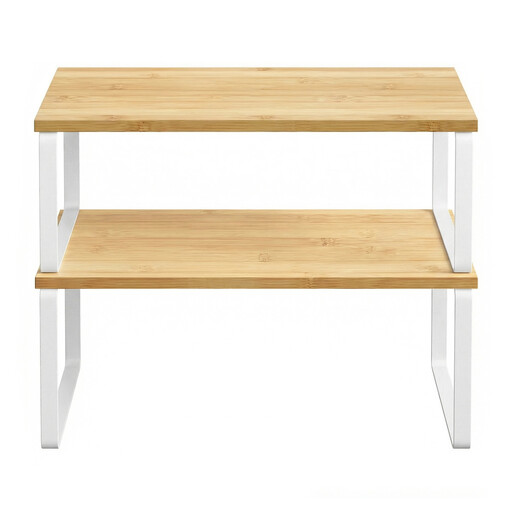
Why it's a great fit: Perfect for organising a kitchen countertop or desk. The expandable and stackable design allows for flexible adaptation to the available space, creating order for spices, office supplies, or mugs.
The sturdy metal frame ensures reliable stability for its intended purpose. The clearly defined load capacity of 15 kg per shelf (according to the manufacturer) is more than sufficient for kitchen utensils or office supplies.
The modular design (stackable, nestable, or usable separately) offers high adaptability for various applications.
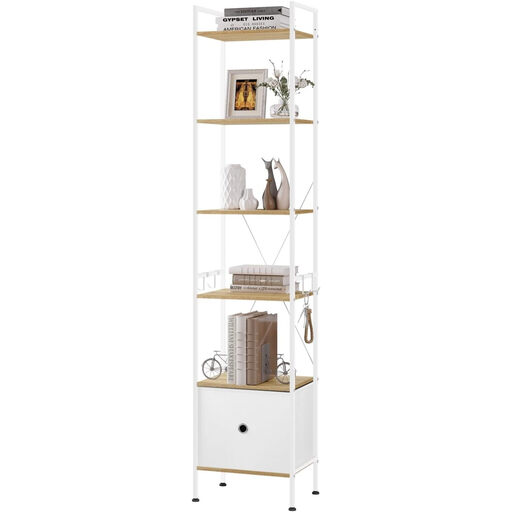
Why it's a great fit: This shelf offers ample vertical storage for books, binders, and decor without taking up much floor space. The combination of open compartments, a drawer, and hooks makes it a functional piece for the living room or home office.
The stability issue is addressed with an X-shaped metal brace and included anti-tip kits. The material (E1-grade engineered wood with melamine veneer) is clearly specified and robust.
The combination of open and closed storage (drawer) as well as additional hooks offers great versatility.
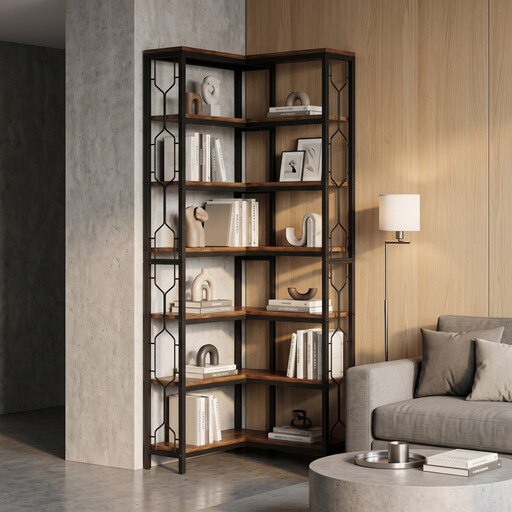
Why it's a great fit: This shelf is specifically designed to turn an unused corner into a large storage and display area. It's an excellent solution for book collectors or plant lovers looking to maximise space in their living room or study.
The L-shaped design provides high inherent stability. It includes adjustable feet for uneven floors and a mandatory anti-tip kit. The high load capacity of up to 45 kg per shelf (according to the manufacturer) is clearly specified.
Exceptional space efficiency with seven tiers in a corner design, transforming otherwise hard-to-use space into valuable storage.
We've curated a complete, up-to-date list of products that fully meet these strict selection criteria and safety requirements.
1. What should the load capacity be for an industrial-style bookshelf? The required load capacity depends on the type of books. For paperbacks, a lower capacity is often sufficient, while heavy coffee table books or extensive hardcover collections require more stability. As a rule of thumb, a load capacity of at least 15 kg per shelf is recommended. For a very large library, you should consider models with 25 kg or more. Always check the manufacturer's specifications.
2. Is wall mounting always necessary for a freestanding industrial shelf? For any shelf with a height of over 100 cm, a wall anchor (anti-tip kit) is strongly recommended for safety reasons. This is especially true for households with children or pets. The anchor prevents the shelf from tipping over if it is accidentally bumped or used for climbing. High-quality shelves usually come with the appropriate mounting hardware.
3. How do I care for metal and wood-look surfaces? Caring for powder-coated metal and melamine-coated engineered wood is straightforward. In most cases, a slightly damp, lint-free cloth is sufficient. Avoid aggressive chemical cleaners or abrasive sponges, as they can damage the surface coating.