
Lieferung heute & morgen

Qualitätsgarantie

Willkommens-Angebote freischalten: KOSTENLOSE Lieferung | Bis zu 80 % RABATT | Kostenlose 30-Tage-JoyPlus-Testphase
App herunterladen
An industrial-style shelf is more than just a place for storage. It's a statement piece that brings the urban, functional character of lofts and modern workspaces into your home or office. The combination of rugged metal and warm wood creates a timeless aesthetic. However, potential pitfalls in the selection process can quickly turn a design highlight into a wobbly disappointment. This guide will show you what to look for to make an informed decision.
Many products on the market look appealing at first glance but reveal their weaknesses only with daily use. Pay close attention to these three points to avoid buyer's remorse.
To ensure your new shelf is both functional and durable, you should carefully examine three core parameters.
The durability of a shelf depends directly on the materials used.
A good storage shelf adapts to your needs, not the other way around.
Stability isn't a luxury; it's a necessity, especially in households with children or pets.
Instead of making a one-size-fits-all recommendation, we have identified products tailored to specific use cases and room layouts.
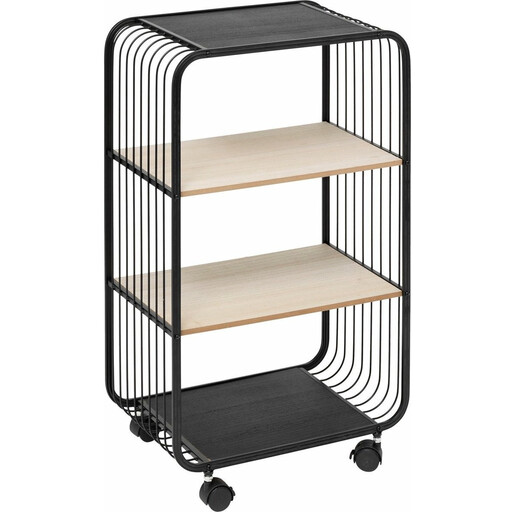
Why It's a Match: Ideal for anyone who needs a mobile and compact storage solution. Perfect as extra storage in the kitchen, a side table in the living room, or for office supplies that need to be within easy reach.
Here, mobility isn't a drawback but the central, practical design feature. The steel frame provides the necessary stability in a compact size, avoiding the problem of impractical, rigid furniture.
Equipped with four castor wheels for maximum flexibility. The combination of MDF shelves and a steel frame offers a solid foundation for everyday use, with a maximum load capacity of 25 kg according to the manufacturer.
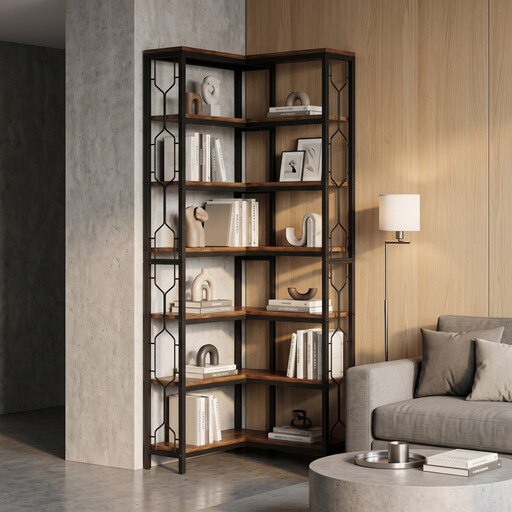
Why It's a Match: Perfect for making use of otherwise dead space. This industrial-style corner shelf transforms unused corners in the living room, office, or kitchen into valuable storage.
The L-shaped design provides excellent inherent stability. Additionally, the adjustable feet and included anti-tip hardware actively address the problem of instability on uneven floors.
Seven tiers offer an exceptional amount of storage on a small footprint. The high load capacity of up to 45 kg per shelf (according to the manufacturer) makes it suitable for heavy books or binders.

Why It's a Match: For those who don't need a lot of storage but want to create targeted accents. This rustic wall shelf is ideal for stylishly displaying a few books, plants, or decorative objects.
It sidesteps the trap of low-quality materials by using FSC-certified solid rubberwood and an aluminium alloy. The lacquer finish protects the surface and ensures a durable, high-quality look.
According to the manufacturer, the minimalist design has won the Muse Design Award and the French Design Award. The brackets prevent items from falling off and contribute to a load capacity of up to 44 lbs (approx. 20 kg).
A great industrial-style shelf combines form and function. If you're looking for more models selected on the basis of material quality, stability, and practical design, you can find a more comprehensive overview here.
1. How sturdy is an industrial-style shelf, really? The load capacity varies greatly depending on the model and manufacturer. The crucial figure is the maximum load capacity per shelf, which can be found in the product details. A sturdy wood and metal bookcase for heavy books should be able to support at least 15-20 kg per shelf. Look for solid frame constructions and secure wall anchoring for tall shelves.
2. How do I care for a wood and metal shelf? Maintenance is generally straightforward. For the metal parts, a dry or slightly damp microfibre cloth is sufficient. Avoid harsh cleaning agents so as not to damage the powder coating. The wood surfaces should also only be wiped with a damp (not wet) cloth and then wiped dry to protect the material from moisture.
3. Do I need special tools to assemble a standing shelf? Most shelves are delivered flat-packed for self-assembly. Usually, all the necessary screws and a simple Allen key are included. To install the anti-tip hardware on the wall, you will also need a drill and the appropriate wall plugs and screws for your wall type (e.g., for drywall, brick, or concrete).