
Lieferung heute & morgen

Qualitätsgarantie

Willkommens-Angebote freischalten: KOSTENLOSE Lieferung | Bis zu 80 % RABATT | Kostenlose 30-Tage-JoyPlus-Testphase
App herunterladen
A well-chosen shelving system not only creates order but can also be a design statement in living rooms, basements, or garages. But the market is crowded and confusing, and not every solution delivers on its promises. The wrong choice of material or an unstable design often leads to disappointment. This guide will help you understand the key criteria and make an informed decision that meets your needs for both storage and style.
Before you invest, you should be aware of three common problems that often only become apparent after the purchase:
To avoid the problems mentioned above, you should carefully examine three technical features. These determine the durability, safety, and functionality of your shelving system.
A high load capacity is a key quality indicator, but it must be interpreted correctly. A heavy-duty shelving unit for the garage or basement should have a load capacity of at least 100 kg per shelf to safely store tools, paint cans, or car tyres. For a bookshelf in the living room, 15 to 30 kg per shelf is usually sufficient. Always pay attention to the specified static load capacity per tier, not just the total value.
The material is crucial for the location of use and the lifespan.
The type of assembly affects both the setup process and the stability.
Here are some recommendations tailored to different user profiles and room situations.
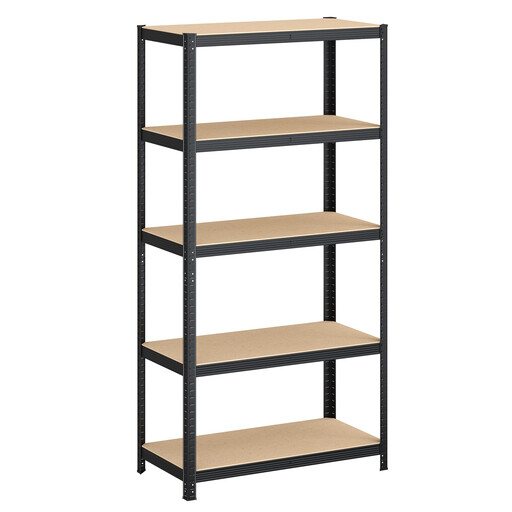
Why This Fits Their Persona: Ideal for users who need a robust and functional garage shelf or basement shelf. The focus is on maximum storage capacity for heavy items like toolboxes or supplies.
The clear specification of the load capacity of 120 kg per shelf and the included anti-tip kit directly address the problems of unclear load limits and a lack of stability.
Tool-free assembly via an interlocking system; can be split into two separate, shorter units, which increases flexibility.
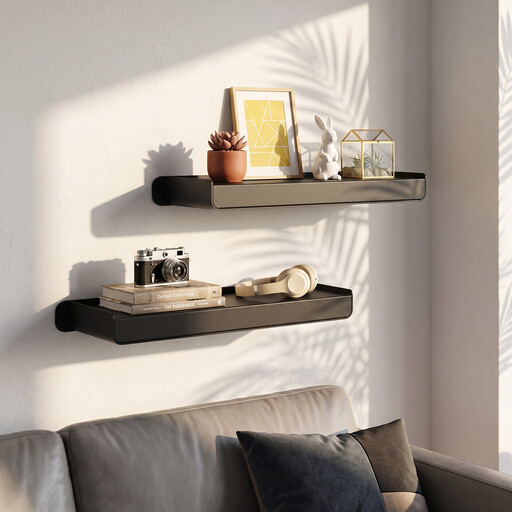
Why This Fits Their Persona: Perfect for anyone looking for a stylish wall-mounted shelf that combines functionality with an award-winning, minimalist design. It serves as a decorative element in the living room, bathroom, or office.
The high-quality painted aluminium material is waterproof and rust-resistant. This prevents the typical quality issues of inferior surface finishes in damper rooms like the bathroom.
Winner of the German Design Award 2022. The concealed mounting creates a clean, floating look.
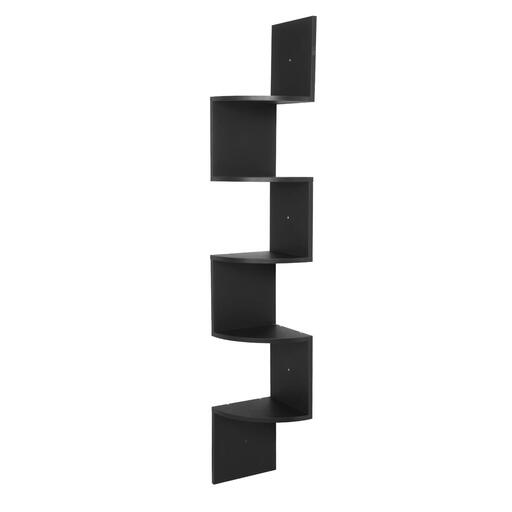
Why This Fits Their Persona: This corner shelf makes optimal use of unused room corners, making it a clever solution for small apartments or rooms where every inch counts. It is suitable for displaying books, CDs, or decorative objects.
The special construction for corner mounting achieves high stability where a conventional freestanding shelf would wobble or look out of place. The zigzag design distributes weight effectively.
Maximum space utilisation through corner design; integrated invisible hanging system for a clean look.
We have compiled a complete, up-to-date list of products that fully meet these strict selection criteria and German safety regulations.
The specified load capacity, e.g., "120 kg per shelf," refers to a static, uniformly distributed load. This means the weight must be spread evenly across the shelf surface and not concentrated on a single point. If you are placing a single, very heavy object, it should be positioned centrally over the support beams to prevent sagging.
That depends on the system. Many modern heavy-duty shelving units made of metal use an interlocking system that can be assembled completely without tools. A rubber mallet can be helpful but is not always mandatory. For bookshelves or wall-mounted shelves, you will typically need a screwdriver, and for wall mounting, a drill and appropriate anchors for your wall type.
The lifespan heavily depends on the material quality, the coating, and the environment. A high-quality, powder-coated or galvanized metal shelf placed in a dry room like a garage or office can easily last 10 to 20 years or more. However, in a damp basement without an adequate coating, rust can form after just a few years.