
Lieferung heute & morgen

Qualitätsgarantie

Willkommens-Angebote freischalten: KOSTENLOSE Lieferung | Bis zu 80 % RABATT | Kostenlose 30-Tage-JoyPlus-Testphase
App herunterladen
Industrial-style shelving often combines wooden or wood-effect surfaces with black metal frames. This makes it suitable for living rooms, kitchens, hallways, dining areas and home offices. However, appearance alone says little about how practical a unit will be day to day. The key factors are its dimensions, weight capacity, anti-tip protection and intended use.
Anyone choosing a shelving unit based solely on photographs can easily overlook important details. Three common purchasing pitfalls occur particularly often:
A wood and metal shelving unit may be made from solid wood, MDF, chipboard or veneered boards. These materials differ in weight, finish, care requirements and price.
For a wooden shelving unit or rustic shelf, the product description should clearly distinguish between real wood, wood-based materials and wood-effect finishes. A term such as ‘vintage’ initially describes only the design, not the quality of the materials.
Before buying, measure the available width, depth and height. For a wall shelf, the wall material and fixing points are also important. A space-saving shelving unit should not simply be narrow; it should also provide enough usable shelf height.
Different rooms have different requirements:
The stated maximum shelf load normally refers to a load distributed evenly across the shelf. Heavy items should be placed on the lower shelves. For tall furniture, look for a supplied anti-tip kit, adjustable feet and a level floor.
A shelving unit with six tiers and a stated capacity of 34 kg per shelf is not automatically suitable for particularly heavy items placed in one spot. Books, files and bottles distribute their weight differently. Therefore, read the assembly instructions and observe the limits specified by the manufacturer.
The following recommendations match specific models to suitable user profiles. The information is based on the respective product descriptions, dimensions and features.
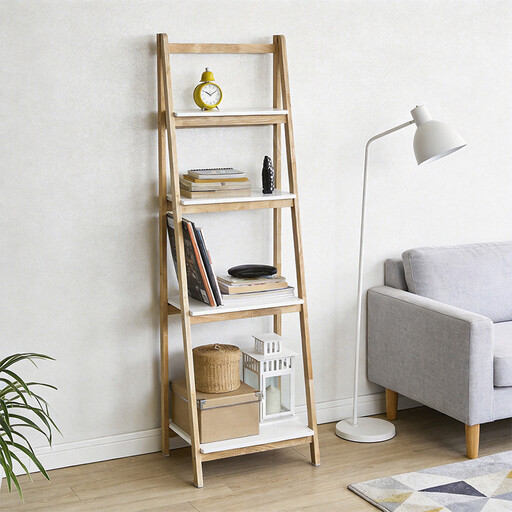
Why this product suits this profile: The folding freestanding shelf requires no permanent wall mounting and can be stored away to save space when not in use. Four tiers provide room for books, towels, documents or ornaments.
The product data specifies dimensions of approximately 42 × 140 × 34 cm and a capacity of up to 15 kg per shelf. This makes it easier to assess the available space.
Folding function, four tiers and a Rubberwood frame with MDF surfaces.
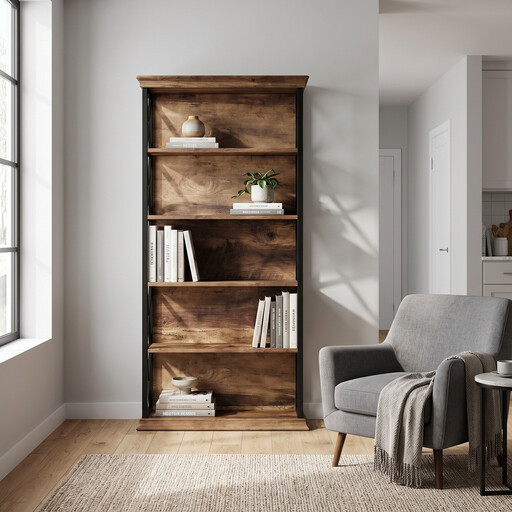
Why this product suits this profile: This tall bookcase combines six storage tiers with a metal frame, making it suitable for living rooms, home offices or studies.
The description specifies an anti-tip kit and a capacity of up to 34 kg per shelf. The wall fixing should be used in accordance with the instructions.
Dimensions of 80 × 30 × 180 cm, E0 MDF and a metal frame with X-shaped side elements.
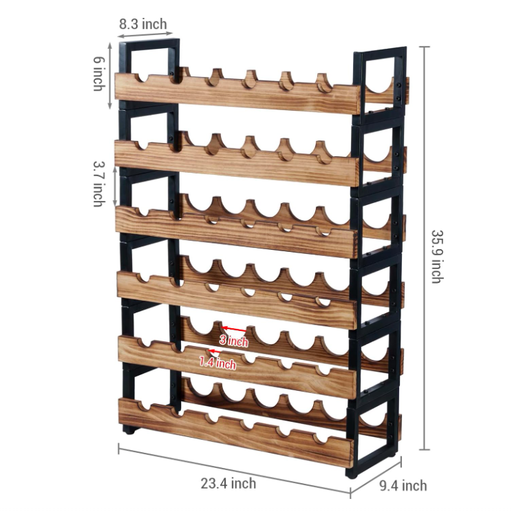
Why this product suits this profile: This wine rack is designed to store up to 36 bottles horizontally and fits in a home bar, dining area or pantry.
The bottle capacity, six tiers and freestanding design are clearly specified. The unit should be placed in a dry location on a level surface.
Wooden shelves, black metal frame, dimensions of 59 × 24 × 91 cm and no assembly required according to the product description.
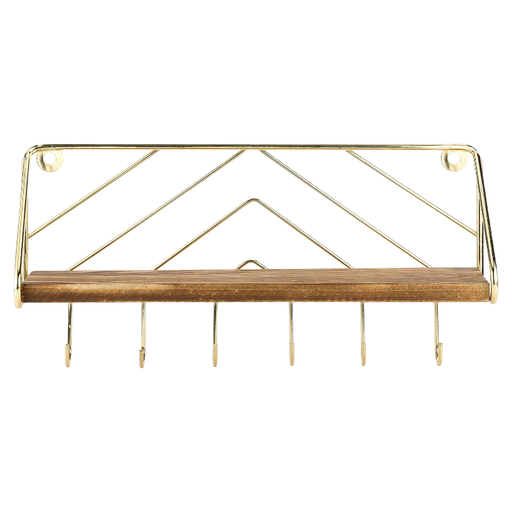
Why this product suits this profile: This wall shelf combines a storage surface with six hooks, making use of wall space in a hallway, entrance area or student accommodation room.
The dimensions of approximately 30.3 × 15 × 9 cm and the supplied fixing hardware make planning easier. The wall must be suitable for mounting.
Solid wood appearance, six hooks, and a combination of wall storage and key organisation.
We have put together a complete, regularly updated list of products that fully meet these strict selection criteria and the safety regulations applicable in the EU.
Before assembly, check that the wall plugs and screws are suitable for the type of wall. For a tall freestanding shelving unit, securing it to the wall is advisable even if the furniture initially feels stable. Uneven floors can be levelled on some models using adjustable feet.
A dry or slightly damp cloth is often all that is needed for cleaning. Wooden surfaces should not be exposed to moisture for prolonged periods. Harsh cleaning products can alter coatings and finishes. After assembly, check the screw connections and carefully tighten them if necessary.
Choose a narrow wall shelf, corner shelf or folding ladder shelf. Light-coloured walls and a limited number of decorative items prevent open shelves from making the room feel cluttered. Before buying, measure the depth, door openings and walkways.
Its service life depends on the materials, assembly, humidity and load. Evenly distributed loads, dry rooms and regular checks of the connections can help maintain its everyday usability. The manufacturer’s specifications for weight capacity and care remain decisive.
A shelving unit does not incur electricity costs during normal use. Possible additional costs may arise from assembly accessories, wall fixings or replacement parts. A wine rack may also involve the general costs associated with storage; the furniture itself does not require an electrical supply.